
Understanding Our Approach to Addiction and Mental Health
Who Can Benefit From Our Programs?
Anyone who is between the ages of 18 and 40 who struggles with addiction or mental health problems can likely benefit from our programs. At Legacy Outdoor Adventure, we offer a range of treatment programs geared toward young people seeking long-term recovery. We utilize adventure or experiential therapy in combination with evidence-based treatment methods. If this is something that you think would be a good fit for you, you can reach out to the admissions team at our rehab center to learn more.
What Makes Legacy Different From Other Utah Treatment Centers?
At Legacy Outdoor Adventure, we believe we set ourselves apart from other treatment centers in Utah for several key reasons. One key factor that makes us unique is that our treatment program incorporates adventure therapy. This allows our clients to get outside, conquer real-life challenges, and develop important life skills that can benefit them for years to come. Adventure therapy, though not offered at many other treatment centers in Utah, can be incredibly transformative and can play a key part in the recovery journey.
Another factor that sets us apart is that we are both licensed and accredited. Our accreditation comes from the Joint Commission and the Association of Experiential Therapy. This accreditation helps ensure that we are dedicated to only the highest level of care and helps assure family members that their loved one is safe and is receiving the quality of healthcare they deserve.


How Does Adventure Therapy Support Recovery?
Adventure therapy can help support long-term addiction recovery in many ways. At Legacy Outdoor Adventure, we believe that healing doesn’t just take place in a clinical setting. Transformative healing from substance abuse can happen outside while experiencing new things and taking on new challenges. This can come in many different forms, including kayaking, backpacking, hiking, fishing, ropes courses, and much more. Nature can not only be very restorative, but it can also provide a setting for clients to learn more about themselves.
Adventure therapy can help clients develop critical skills that will not only be useful in addiction recovery but can also benefit them in many other aspects of life. This includes everything from problem-solving skills, better communication, emotional regulation, and resilience. It can even help build self-confidence and improve relationships with other people. All of these things can support relapse prevention and promote overall improved well-being.
Substance Use Disorders We Treat
Which Types of Substance Use Disorders Are Addressed?
As part of our addiction treatment program, we address multiple types of substance use disorder. This includes alcohol addiction as well as the many forms of drug addiction. Among these are addictions to prescription drugs such as opioids, stimulants, and benzodiazepines. We also treat addictions to illicit drugs such as cocaine, methamphetamine, and heroin.
Can Legacy Help With Dual Diagnosis?
Yes, at Legacy Outdoor Adventure, our team specializes in treating those with dual diagnosis. We understand that treating co-occurring disorders is a delicate process because both the mental health aspect and the addiction aspect of the condition must be considered. As a result, we use an integrative approach that addresses both aspects of the diagnosis simultaneously.
How Do We Monitor Progress During Treatment?
At our recovery center, we monitor progress regularly to ensure that a client is getting closer toward meeting the goals they have set for themselves. This includes collaborating with different members of our team and the client’s family members.
Treatment plans always begin with an initial assessment that will help provide a baseline of where the client is and what their specific treatment needs are. From there, they will continue to undergo weekly check-ins that will assess aspects such as how well a certain medication is working, different side effects they may be experiencing, and their overall mental and physical health.
While monitoring a client’s progress, our team may come to the decision that certain aspects of a treatment plan may need to be adjusted. This helps to ensure that the treatment plan continues to best serve a client’s needs as they progress through the treatment process.
Treatment plans always begin with an initial assessment that will help provide a baseline of where the client is and what their specific treatment needs are. From there, they will continue to undergo weekly check-ins that will assess aspects such as how well a certain medication is working, different side effects they may be experiencing, and their overall mental and physical health.
While monitoring a client’s progress, our team may come to the decision that certain aspects of a treatment plan may need to be adjusted. This helps to ensure that the treatment plan continues to best serve a client’s needs as they progress through the treatment process.
Co-Occurring Mental Health Disorders
What Mental Health Issues Are Treated at Legacy?
As part of our mental health treatment at Legacy, we address a variety of mental health concerns that can range in severity. Our team specializes in trauma-informed care, which can specifically help those who are struggling with post-traumatic stress disorder (PTSD). We also treat conditions such as anxiety, depression, emotional dysregulation, and bipolar disorder.
In many cases, a mental health disorder and a substance use disorder will occur simultaneously. This is what is known as a co-occurring disorder, and is another condition that our team specializes in treating at Legacy.

How Does Trauma-Informed Care Work in Treatment?
We understand that many people who enter our treatment facility have experienced trauma and that trauma can not only influence mental and behavioral health but can also lead to substance misuse. Because of this, we prioritize using trauma-informed care to ensure that our clients always feel safe and comfortable during treatment. We ensure that the client always knows what to expect and that they feel they have a choice in how their treatment is carried out. Our goal is always to avoid traumatizing a client further, but instead focus on helping them heal and build resiliency.
Are Evidence-Based Practices Used for Mental Health?
Yes, we use a variety of evidence-based practices as part of our mental health services. Some examples include cognitive-behavioral therapy (CBT) and dialectical behavior therapy (DBT). Both of these treatment methods can help an individual recognize negative thought or behavior patterns they may have. From there, they can begin to consciously work toward shifting to more positive and healthy behaviors.
This is especially helpful in addiction recovery because this kind of treatment can help an individual recognize the root cause of why they turned to substance misuse in the first place. At that point, they can then work on addressing that issue so that they don’t turn back to drug or alcohol use.
We also utilize a method called eye movement desensitization and reprocessing (EMDR). This evidence-based practice is particularly useful for treating those who have experienced trauma.

This is especially helpful in addiction recovery because this kind of treatment can help an individual recognize the root cause of why they turned to substance misuse in the first place. At that point, they can then work on addressing that issue so that they don’t turn back to drug or alcohol use.
We also utilize a method called eye movement desensitization and reprocessing (EMDR). This evidence-based practice is particularly useful for treating those who have experienced trauma.

Adventure and Experiential Therapy Modalities
How Often Is Adventure Therapy Offered?
At our addiction treatment center, adventure therapy is offered on a regular basis and is integrated into many of our different treatment programs.
What Types of Experiential Therapy Are Included?
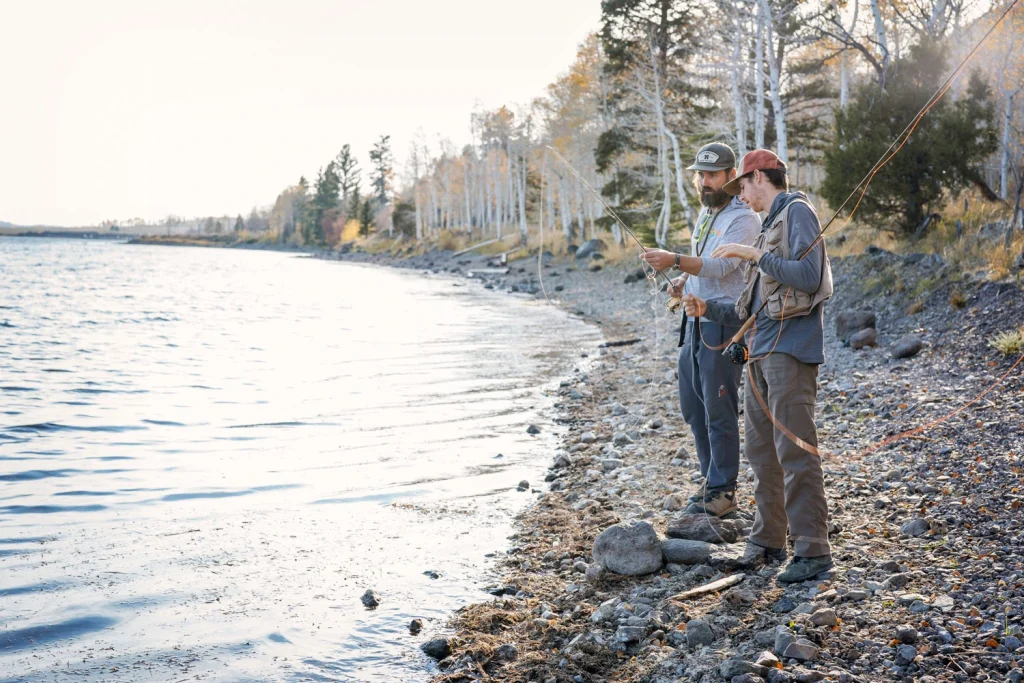
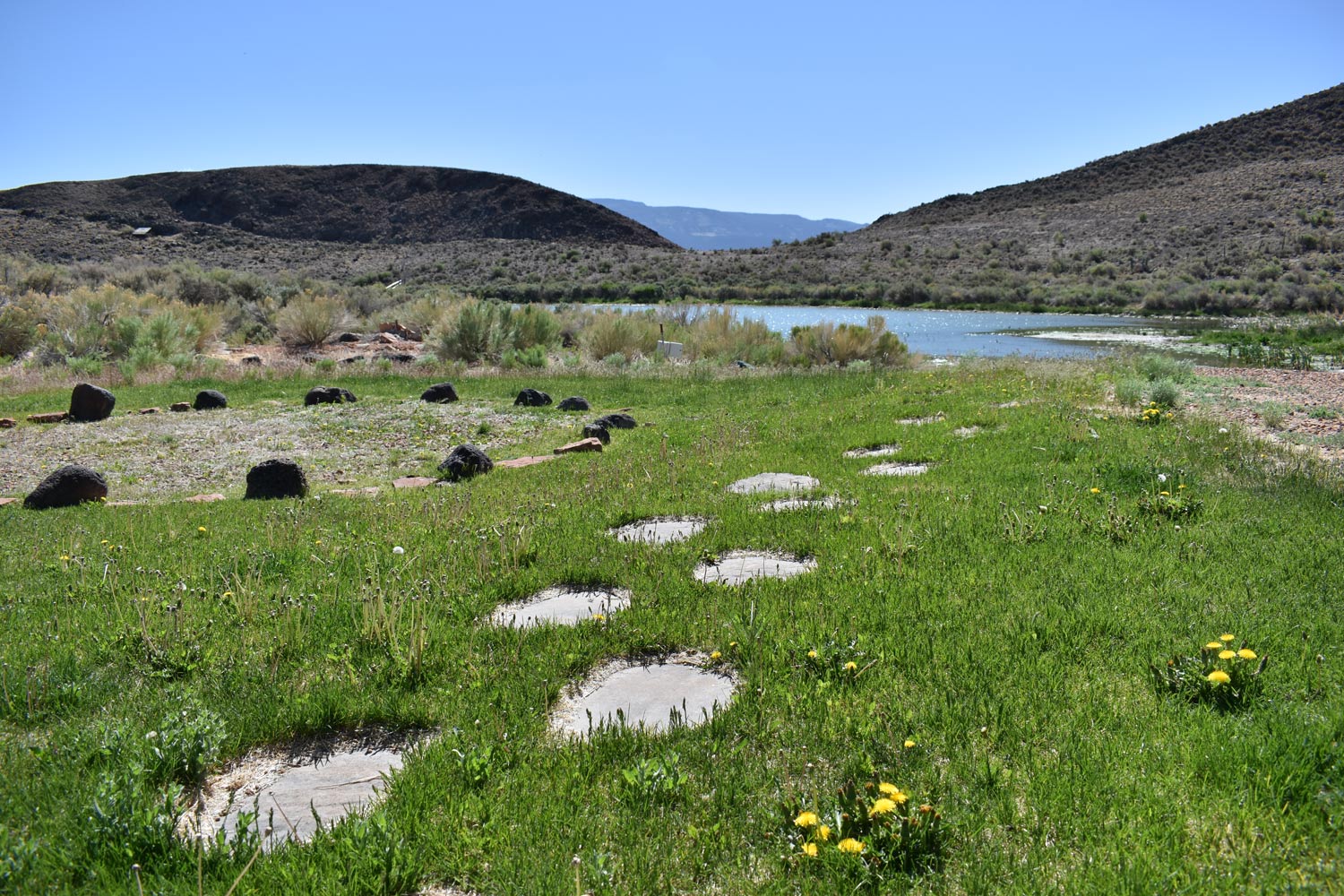
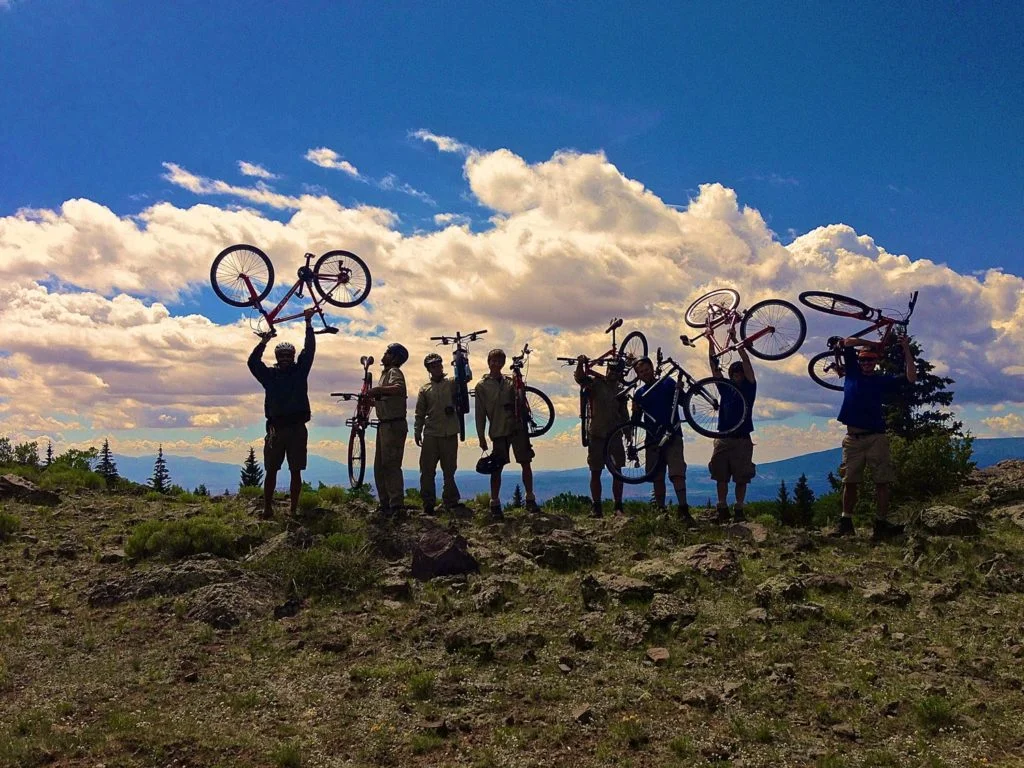
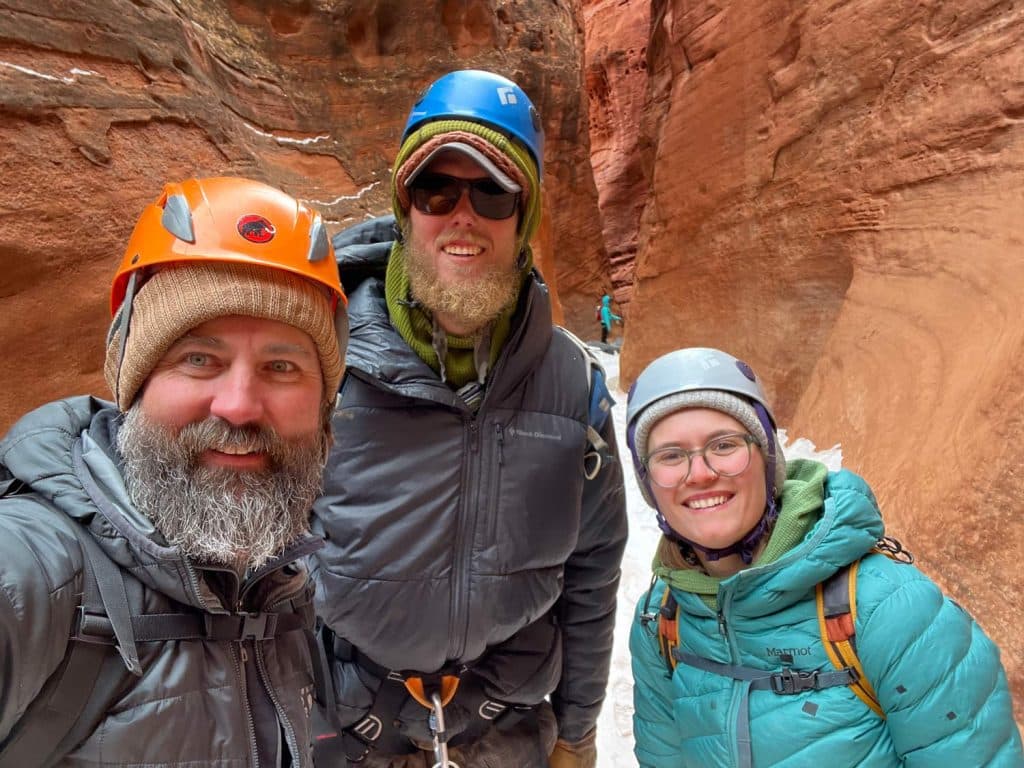
Located in the beautiful state of Utah, Legacy Outdoor Adventure has access to a stunning backdrop and the perfect terrain for many different kinds of experiential therapy. As for adventure therapy, some of the primary treatment options we offer include backpacking, kayaking, fishing, hiking, mountain biking, camping, and even a ropes course. We also offer another popular experiential therapy option known as equine therapy. With this type of therapy, our clients have the ability to work with horses to develop critical skills such as emotional regulation, communication, and relationship skills.


Is Adventure Therapy Safe for Everyone?
Whether or not a specific type of adventure therapy is safe for a particular person can depend on several factors, including their physical abilities. However, at Legacy, we guarantee safety by conducting an assessment before an adventure therapy session to determine if an individual is a good fit for a particular kind of therapy. We also ensure safety by using only properly inspected tools and equipment, as well as always supervising an adventure therapy session.
Residential Treatment and Levels of Care
What Does a Licensed Residential Treatment Center Offer?
A licensed residential treatment center offers a safe, supportive, and stable environment for a person to focus on their mental health or substance use recovery. As part of this type of treatment program, an individual will live at the facility full-time for the duration of their treatment. They will have access to a variety of different resources all under one roof, including mental health services, physical healthcare, and regular counseling. A residential treatment center will also offer regular medical supervision to help guarantee the safety of the individual.
One of the most important benefits associated with a residential treatment center is access to peer support. This comes in the form of not only a causal setting but also 12-Step support group meetings. Through peer support, those in recovery can learn from one another, hold themselves accountable, and be reminded that they are not alone in this journey.
One thing that sets Legacy apart from other treatment centers in Utah is that we don’t just want to help our clients get sober and then send them on their way. Rather, we want to equip them with the skills they need to give them the best possible chance at enjoying long-term recovery. Because of this, we also prioritize skills development and education at our facility. Some of the critical skills we aim to teach include healthy coping methods, emotional regulation, resiliency, problem-solving, and mind
One of the most important benefits associated with a residential treatment center is access to peer support. This comes in the form of not only a causal setting but also 12-Step support group meetings. Through peer support, those in recovery can learn from one another, hold themselves accountable, and be reminded that they are not alone in this journey.
One thing that sets Legacy apart from other treatment centers in Utah is that we don’t just want to help our clients get sober and then send them on their way. Rather, we want to equip them with the skills they need to give them the best possible chance at enjoying long-term recovery. Because of this, we also prioritize skills development and education at our facility. Some of the critical skills we aim to teach include healthy coping methods, emotional regulation, resiliency, problem-solving, and mind
How Long Are Treatment Programs?
While the length of treatment programs can vary from facility to facility, our treatment program at Legacy is 90 days.
Are Partial Hospitalization or Outpatient Options Available?
Yes, at our facility, both partial hospitalization and outpatient treatment options are available. With our outpatient option, clients can continue living at home and going to work or school as normal. However, they will spend the majority of the rest of their time at our treatment facility. With our partial hospitalization program, clients will attend therapy throughout the day and then return home at night.
Family Engagement and Support
How Are Families Involved in Treatment?
Families play a major role in the treatment process. They have the option to attend family therapy and educational workshops. Family members can also expect regular communication regarding their loved one’s progress.
Do Alumni Programs Exist After Treatment?
Yes, we offer an alumni program to help ensure our clients stay connected with our community even after treatment.
Can Families Call With Questions About Admissions?
Yes, families can also reach out to our admissions team with any questions they may have about our team and treatment facility.
Safety, Accreditation, and Insurance Information
Is Legacy Accredited and Licensed?
Yes, both of our treatment centers are licensed and accredited. Our accreditation comes from the Joint Commission, which means that our facility shows a commitment to delivering the highest quality level of care.
Do You Accept Insurance?
We accept many different kinds of insurance providers. To determine if we accept your specific insurance provider, you can reach out to our admissions team.
How Is Client Safety Ensured?
Client safety is ensured every step of the way throughout treatment. We provide licensed and accredited care and ensure that each member of our team is properly trained and educated. Our team also utilizes all proper safety protocols during our adventure therapy sessions, including emergency preparedness and utilizing only properly inspected equipment.
Frequently Asked Questions About Treatment
Can someone with co-occurring disorders be treated here?
How do I know if my loved one qualifies?
What outcomes can clients expect from Legacy?
At Legacy Outdoor Adventure, we believe we set ourselves apart from other treatment centers in Utah because of our focus on experiential and adventure therapy. To learn more about the kinds of treatment we offer, call (866) 436-4458 today.
