

Understanding Adventure Therapy
What Is Adventure Therapy?
Adventure therapy is an experiential therapy that uses outdoor activities such as rock climbing, ropes courses, or hiking to develop essential skills, build healthy coping mechanisms, and boost self-confidence.
Our residential programs use adventure therapy to provide a safe space for people to practice life and coping skills in the real world. An adventure therapist helps clients process experiences and thoughts, regulate emotions, and develop stress-management strategies.
Is Adventure Therapy a Real Thing?
Yes, adventure therapy is a proven treatment method for addressing mental health issues, including depression, anxiety, and chronic stress.
Our wilderness therapy programs include adventure therapy sessions that provide real-world relief and help people heal. The treatments at Legacy Outdoor Adventures are real, effective, and practical.
How Did Adventure Therapy Develop?
Adventure therapy programs developed from holistic asylum camping programs.
Decades ago people used camp settings to treat people with complex mental health issues. Adventure therapy has been developed from that original starting point of those short-term camping asylums. Current outdoor therapies use clinical research and proven methods to improve treatment outcomes.
What Is Adventure Therapy: Theory?
The adventure therapy theory states that experiential therapy in a natural setting combined with challenging outdoor tasks creates positive behavioral feedback that helps people process experiences, reframe thoughts, and increase self-efficacy.
Legacy Outdoor Adventures believes that adventure therapy theory has been proven effective in teaching people communication, social skills, creative problem-solving, and other essential skills.
Who Can Benefit From Adventure Therapy?
Anyone can benefit from adventure therapy; however, young people and individuals who have not responded to more traditional talk-based therapy programs may benefit most.
People of all ages, backgrounds, and physical fitness can benefit from adventure therapy. Legacy Outdoor Adventures tailors every outdoor activity to the group’s skill level, ensuring client safety and comfort.
How Adventure Therapy Works
What Happens During Adventure Therapy Programs?
Clients spend time participating in outdoor therapeutic sessions with peers and staff, where they complete challenging tasks and engage in team-based activities.
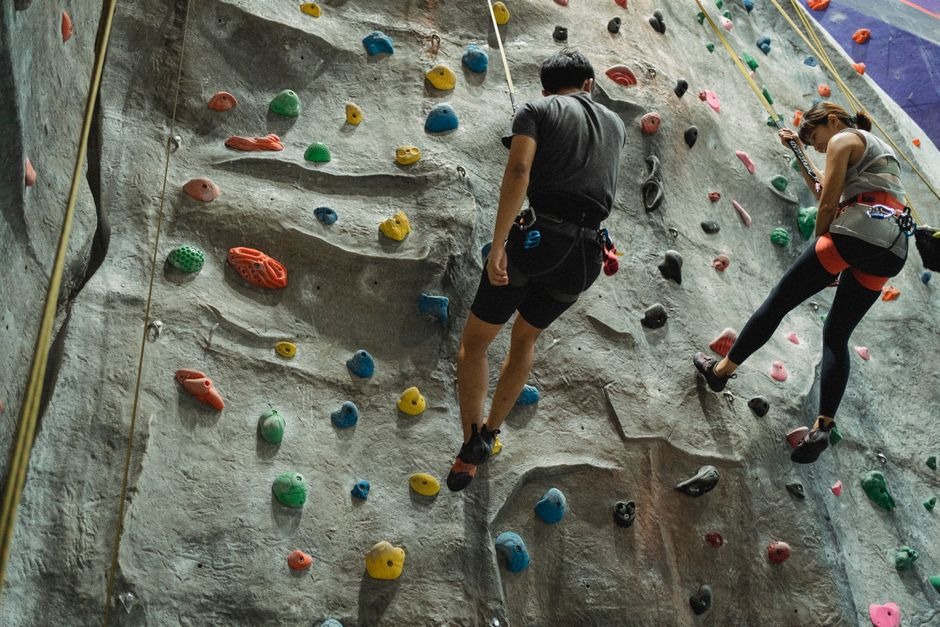
We have adventure therapy sessions multiple times throughout the week. A group of peers in our residential program work as a team to accomplish specific activities or goals, such as climbing a rock wall. Clients practice communicating with peers, building social connections, resolving conflict, finding creative ways to overcome problems, and stress management.
How Does Experiential Learning Support Recovery?
Experiential learning helps people process deep emotions, build skills in real-world situations, and learn effective emotional regulation.
Hands-on therapy sessions offer people a new perspective as they process their thoughts, behaviors, and emotions. In addition, adventure therapy teaches life skills that translate into everyday life, increasing self-confidence, resilience, and self-efficacy, and supporting lasting recovery.
What Is the Role of Facilitation in Adventure Therapy?
The facilitator, or guide, in adventure therapy turns outdoor stressors into safe, reflective learning experiences.
Our staff model healthy behaviors and provide 24/7 support to clients during residential treatment. We facilitate healthy and safe treatment for substance abuse and mental health disorders.
How Do Mental Health Professionals and Adventure Therapists Work Together?
The adventure guide ensures physical safety and translates real-world activities into therapeutic learning moments while clinicians focus on providing emotional support and helping clients with emotional processing.
Psychiatrists, psychologists, counselors, and other mental health professionals work alongside outdoor guides to provide clients with consistent emotional support.
How Is Progress Measured Throughout Treatment?
Clinicians monitor client skill development in communication, emotion regulation, and stress management, while also using traditional mental health assessments to regularly check in on client progress.
We determine progress using multiple metrics, including weekly reviews of emotional, physical, and behavioral growth. Clinicians use evaluation forms, constructive feedback, and collaborative goal-setting to ensure clients continue to make progress in their recovery.
Adventure Therapy Activities
What Are Some Examples of Adventure Therapy Activities?
Adventure therapy generally includes group activities with specific goals and challenges to overcome, such as rock climbing and backpacking.
Any outdoor activity can become part of an experiential therapy session that offers unique insights. We use activities that keep clients engaged and invested in teamwork.
How Do Rock Climbing and Ropes Courses Build Confidence?
People gain confidence when they learn new skills that increase their self-reliance, independence, and self-efficacy.
Learning new skills and working as a group to achieve a specific goal builds confidence, self-efficacy, and self-esteem.
How Can Backpacking and Outdoor Adventure Promote Healing?
Adventure activities, such as backpacking and hiking, allow people to connect with nature and peers, practice self-reflection, and improve self-awareness.
Connecting with nature during backpacking and other low-stress outdoor activities gives people an opportunity to reflect, meditate, and practice mindfulness.
Is Kayaking Used in Adventure Therapy?
Kayaking, canoeing, and other water-based activities are used in adventure therapy, depending on clients’ skill levels and staff preferences.
Water activities, including boating, swimming, kayaking, canoeing, and paddle boarding, create a fun and rewarding afternoon for groups.
Why Are Adventure Experiences Held in Natural Settings?
Natural settings promote self-reflection, relaxation, mindfulness, and reduce stress during challenging activities.
Green and blue spaces have been shown to positively affect overall wellness. People also often find that natural settings produce a calming effect and increase focus.
Benefits of Adventure Therapy
What Are the Benefits of Adventure Therapy?
Adventure therapy improves mood, reduces anxiety, provides a structured environment for skill development, and encourages mutual peer support.
Low-stress activities in a controlled environment also improve physical health and help the body repair damage caused by chronic alcohol or drug abuse.
How Does Adventure Therapy Improve Self-Esteem and Self-Confidence?
Achieving challenging goals, whether alone or with the support of a team, boosts confidence and self-esteem.
Field guides and clinicians give clients the tools they need to overcome challenges and manage stress. Learning to regulate behavioral and emotional responses increases confidence and builds self-esteem.
How Does Adventure Therapy Build Self-Efficacy?
People face challenges in a safe environment and solve problems, allowing them to discover inner strength and see proof of personal capabilities.
People in outdoor therapy must calculate and problem-solve to overcome challenges. Mastering new or difficult tasks builds self-efficacy.
How Does Adventure Therapy Strengthen Social and Interpersonal Skills?
Adventure therapy involves a group of peers overcoming physically challenging situations together as a team, requiring people to practice communication and interpersonal skills.
We encourage peers to empower and uplift one another, using the skills they learn in therapy to navigate unexpected situations during adventure therapy. The social connections often create a sense of belonging that reduces loneliness, isolation, and feelings of otherness.
How Does Adventure Therapy Improve Problem-Solving and Team Building?
Adventure therapy sessions involve team-building exercises and creative problem-solving to achieve a group goal.
Teamwork requires people to share ideas and to learn to communicate their needs effectively. Adventure therapy puts people in situations where they build social bonds, feel comfortable speaking up, asking for help, or offering suggestions to solve group problems.
Adventure Therapy for Mental Health and Addiction
How Does Adventure Therapy Support Addiction Healing?
Adventure therapy sessions take place outdoors where people benefit from connecting with nature.
According to the American Journal of Lifestyle Medicine, “Exposure to green spaces is generally associated with improved psychological well-being.” In addition, “access to gardens and residential views with more than 25% greenspace has been associated with reduced cravings for various substances compared to those with no access to such resources.”
What Mental Health Issues Can Adventure Therapy Address?
Research has shown that adventure therapy and other forms of outdoor therapy improve mood, emotional regulation, and stress management.
We use adventure therapy to help people diagnosed with co-occurring post-traumatic stress disorder (PTSD), depression, generalized anxiety disorder (GAD), and panic disorder. The natural setting can reduce stress and make it easier to manage symptoms, such as sleep disturbances, anxiety attacks, and depressive episodes.
How Does Adventure Therapy Complement Traditional Therapy?
Adventure therapy gives people a structured, safe space to practice skills learned in traditional therapy.
People often respond better to clinical modalities if they spend time in nature and other relaxing settings engaging in holistic therapies. Integrative and personalized care that combines evidence-based and alternative therapies provides greater support.
Can Adventure Therapy Help Adolescents and Young Adults?
Yes! Adventure therapy and other forms of experiential therapy can help young people engage more fully in treatment and gain more insights into their circumstances.
We treat young adults 18 and older struggling with substance abuse, trauma, or mental health disorders.
Is Adventure Therapy Effective for Substance Abuse Recovery?
Yes. Adventure therapy is highly effective as a complementary treatment for addiction recovery.
People with substance use disorder have changes in brain chemistry that make it harder to feel emotionally engaged and invested in treatment. Adventure therapy uses adrenaline-fueled activities such as rock climbing to keep people physically and emotionally engaged, thereby improving treatment adherence.
Adventure Therapy vs. Wilderness Therapy
What Is the Main Difference Between Wilderness Therapy and Adventure Therapy?
Wilderness therapy generally involves spending several days or weeks camping outdoors, whereas adventure therapy sessions typically last only a few hours.
Some people respond better to spending extended time outdoors camping. Wilderness therapy allows people to become more immersed in nature. Adventure therapy offers a more short-term connection with outdoor settings.
Why Do Many Modern Treatment Centers Prefer Adventure Therapy?
Adventure therapy allows people to quickly build skills and peer connections after just a few hours of teamwork.
Modern rehabilitation programs embrace a whole-person approach to care that combines alternative and evidence-based therapies. Adventure therapy is an enjoyable, effective, and practical modality to treat people recovering from SUD.
When Is Residential Treatment More Appropriate Than Outpatient Care?
People who may struggle to maintain their physical safety or emotional support at home may benefit most from residential care.
People who do not require 24/7 monitoring and support can safely participate in outpatient treatment programs. We encourage clients to follow a continuum of care that involves steps down through multiple levels of care gradually to ensure the best possible outcomes.
The Evidence Behind Adventure Therapy
Is Adventure Therapy Evidence-Based?
More research is needed to make adventure therapy evidence-based.
Although multiple clinical studies have been conducted, more comprehensive research is needed to make this form of treatment evidence-based. Currently, it has a proven track record or moderate positive results for some individuals. Further research may provide more insights.
What Does the Research Say About Adventure Therapy?
Research has shown that adventure therapy does have a positive impact on recovery for many people with SUD and dual diagnosis.
Clinical studies have shown that outdoor therapies improve mood, reduce anxiety, increase program adherence for individuals in addiction recovery, and improve long-term outcomes.
What Have Gillis, Neill, and Other Researchers Found?
Researchers studying the effectiveness of outdoor therapy, including H.L. Gillis and J.T Neill, have reported moderately positive results.
People who have conducted clinical studies or reviews on the effectiveness of adventure therapy or other forms of outdoor therapy have reported minor to moderate positive results.
Why Does the Association for Experiential Education Matter?
The Association for Experiential Education (AEE) sets safety, ethical, and professional standards for experiential therapeutic interventions, including adventure therapy.
Our residential program and outdoor therapeutic sessions meet AEE standards.
Choosing an Adventure Therapy Program
What Should Families Look for in an Adventure Therapy Program?
Families should look for an adventure therapy treatment program that empowers and avoids punitive measures.
Adventure therapy programs should prioritize client safety, use proven methods, and avoid punishment as a motivator. Legacy Outdoor Adventures understands the importance of providing clients with a structured space for healing and personal growth. We encourage potential clients and their families to ask questions and learn more about our methods.
How Do Licensed Residential Treatment Programs Integrate Adventure Therapy?
Licensed programs like the ones at Legacy Outdoor Adventures integrate outdoor therapies with personalized care plans and weekly adventure and talk therapy sessions each week.
We use Adventure therapy to build client confidence, self-esteem, resilience, self-efficacy, and life skills. Our programs integrate outdoor sessions by making them mandatory for several days out of the week, giving clients time in nature to engage in self-reflection and benefit from peer support.
Does Insurance Cover Wilderness Therapy?
Some healthcare insurance providers may partially or fully cover therapeutic adventure and wilderness programs.
Every insurance provider has their own coverage criteria and eligibility requirements. Many providers offer holistic addiction and mental health treatment coverage.
How Can You Tell If Adventure Therapy Is Right for You or a Loved One?
If you or a loved one enjoys spending time in a natural environment and the ability to participate in physical challenges, then you may benefit from adventure therapy.
You or a loved one can speak with our admissions team to learn more about our residential program and how we can help you heal.
FAQs
Our residential program generally lasts 90 days.
We tailor care plans to each client’s unique needs, allowing us to adjust the length of our residential program as needed. Most people spend 90 days in our residential program before transitioning to the next level of care. Some people may extend their stay to 120 days or longer if they have more complex needs.
Yes. Our guides and activity moderators ensure the safety of all clients during adventure therapy sessions.
We have highly trained field guides and moderators who monitor client health to ensure safety during sessions. Adventure therapy activities vary based on clients’ skill levels, interests, and needs.
Yes. Adventure therapy can be used alongside individual or group therapy sessions.
We highly recommend people to participate in adventure therapy alongside more traditional forms of one-on-one or group talk therapy.
No. We use adventure therapy alongside traditional mental health treatment to enhance it; we do not use outdoor therapy to replace an evidence-based modality.
Adventure therapy should never replace traditional clinical therapeutic modalities, such as talk therapy. People can gain many physical and emotional benefits from outdoor therapy sessions; however, adventure therapy alone does not provide enough support to prepare people for lasting sobriety.
People with complex mental illness may not have the ability to safely participate in adventure-based therapy.
Physically unfit individuals who cannot safely engage in moderate activities should also avoid adventure therapy.
