
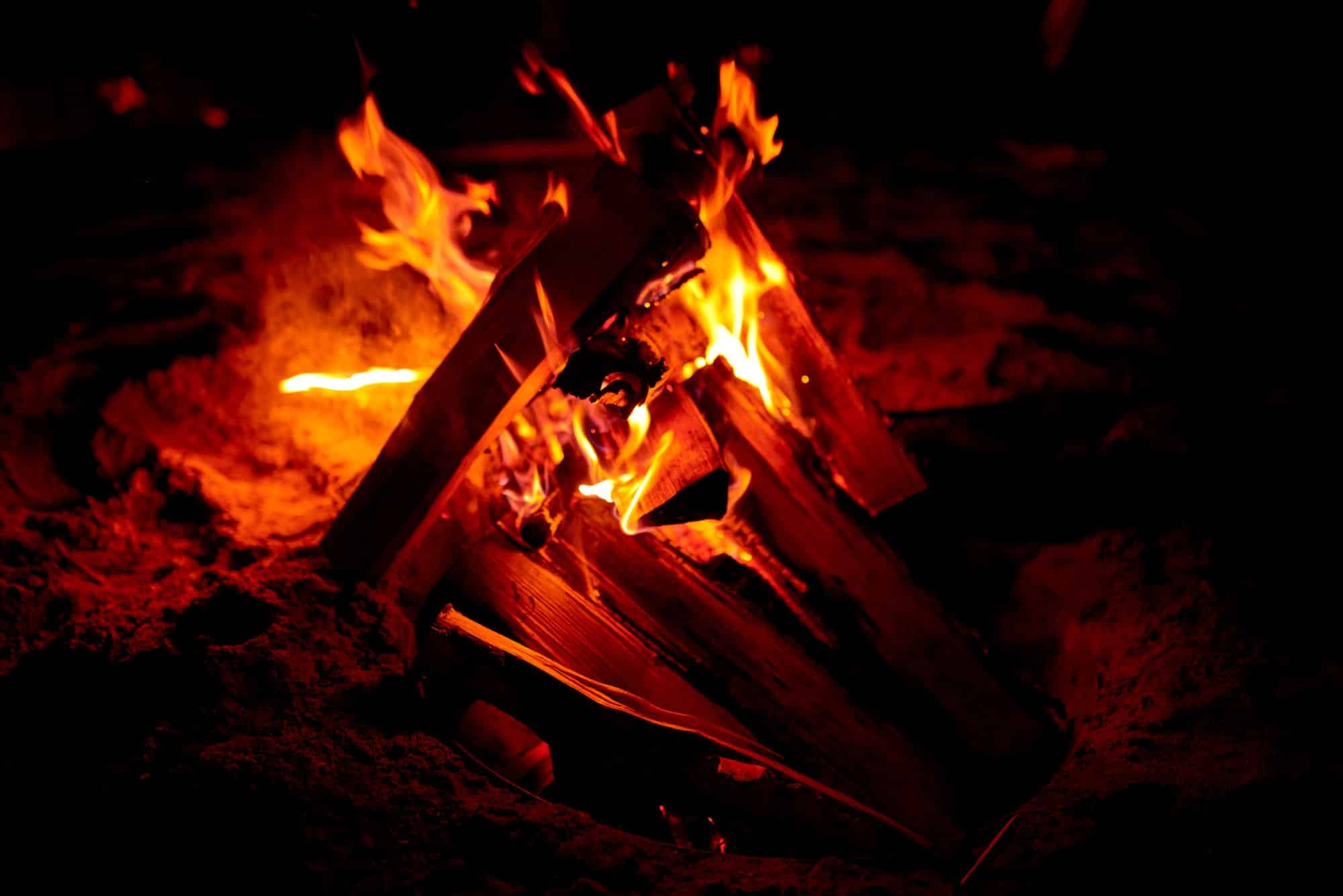
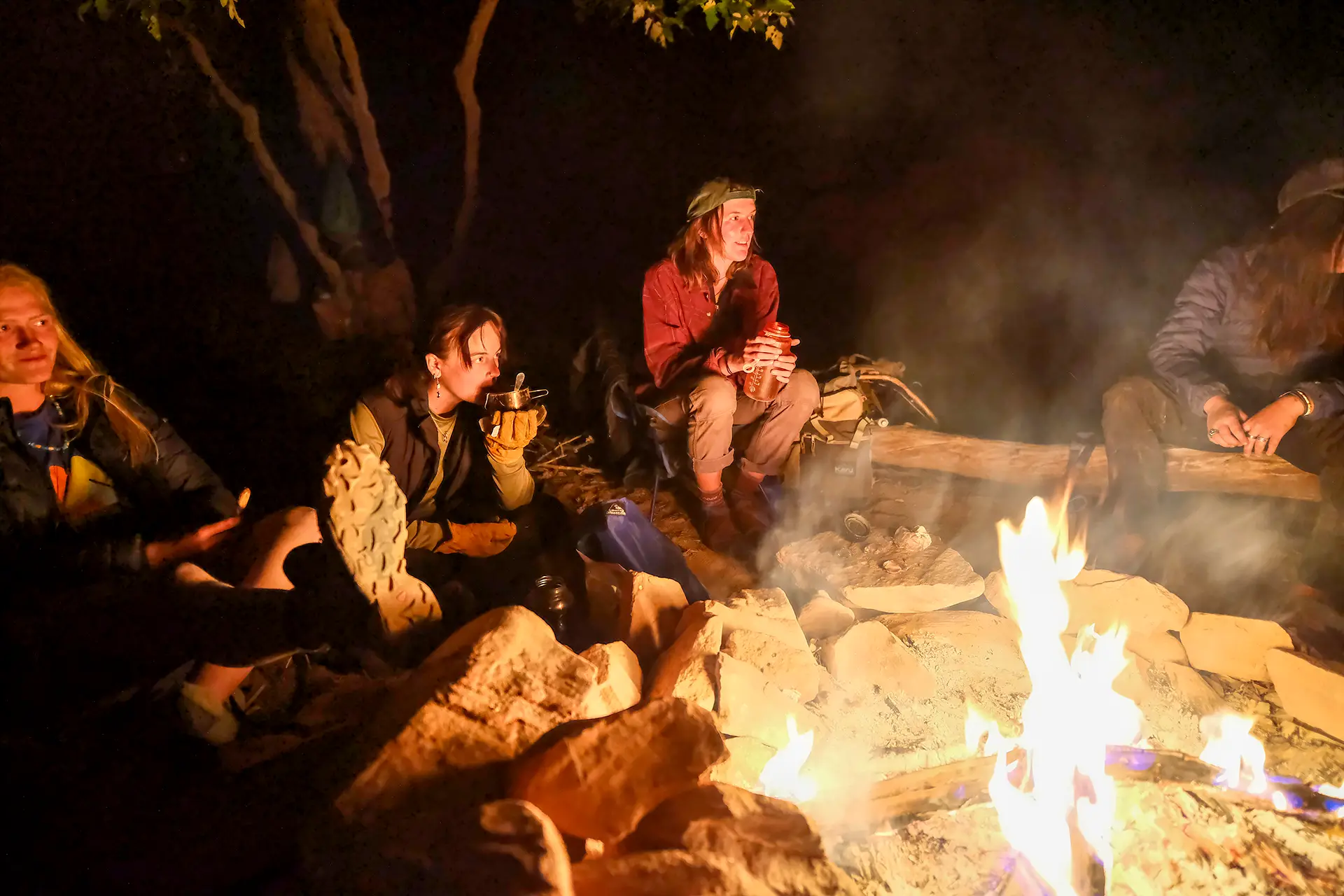
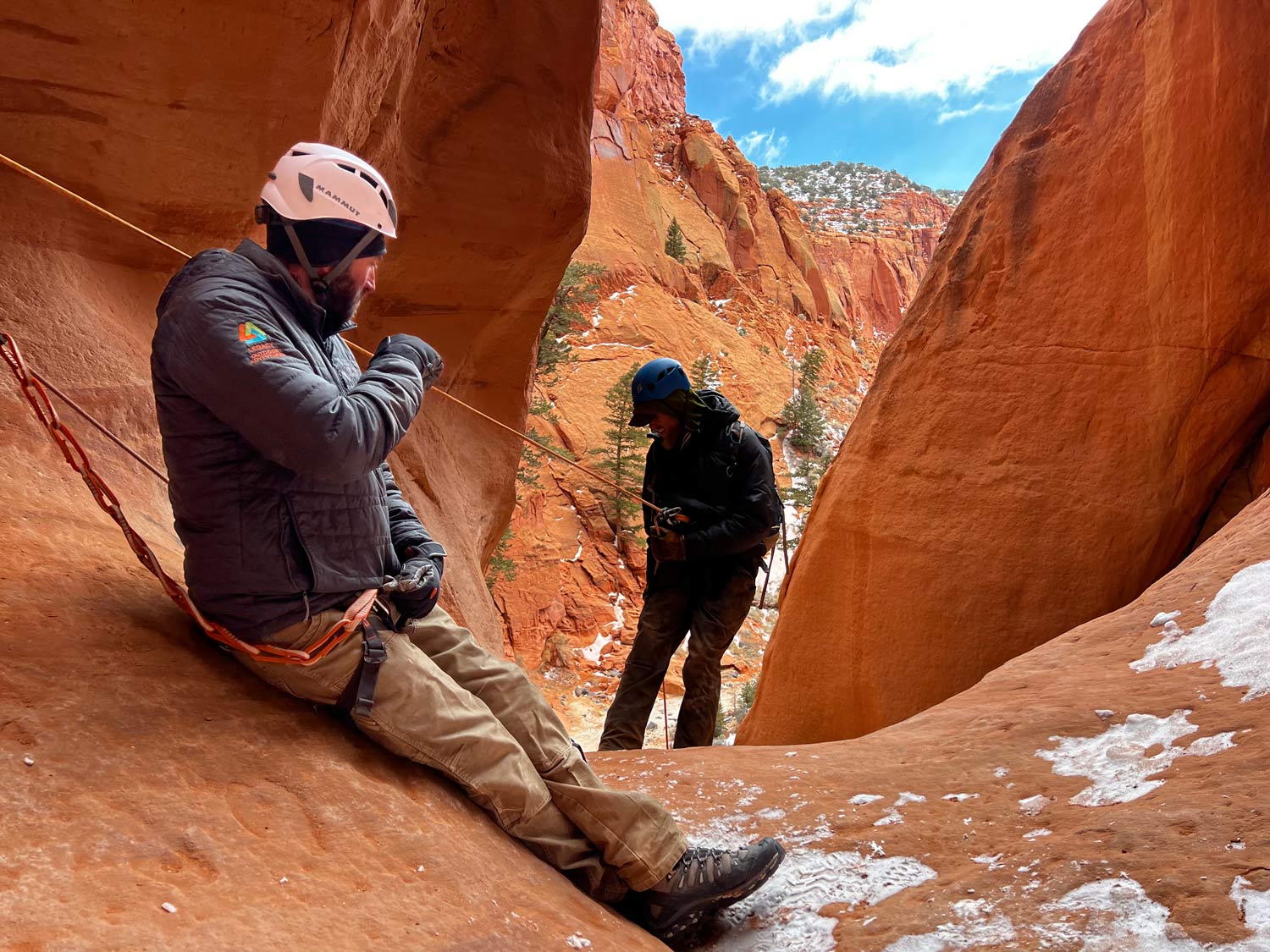
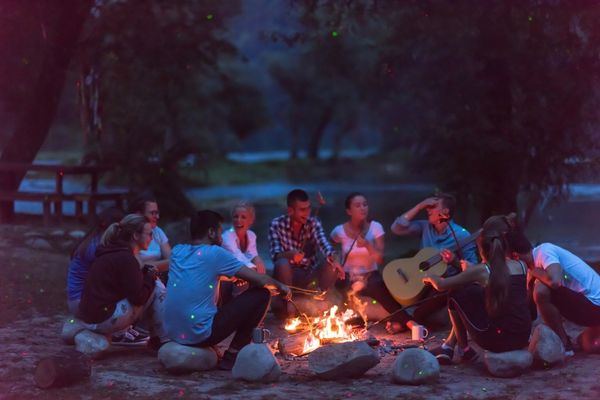
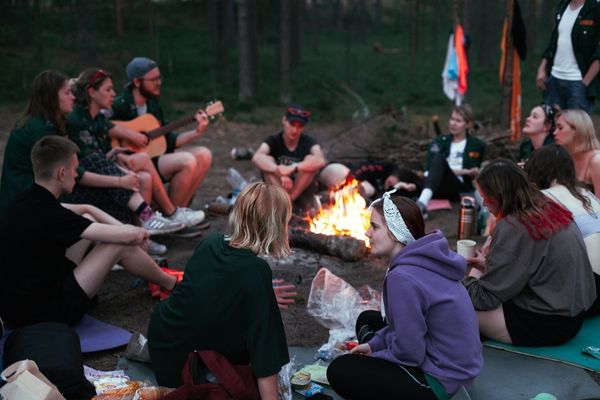
Every evening at Legacy, the group gathers around a fire. The fire sits in the center, and so does the conversation. This is where much of the real work of treatment happens. After a day of canyoneering, backpacking, summiting a peak, or fishing, clients come back together to slow down, talk through what the day brought up, and listen to one another.
At Legacy Treatment Center, all group therapy, discussions, and activities are facilitated by trained staff and clinical professionals who stay in close communication with one another and with clinical supervisors. That structure gives clients a steady, well-supervised space to open up. Within it, our staff encourage clients to build healthy relationships with the other people in their group, which is how a positive and carefully curated peer culture takes shape.
At Legacy Treatment Center, all group therapy, discussions, and activities are facilitated by trained staff and clinical professionals who stay in close communication with one another and with clinical supervisors. That structure gives clients a steady, well-supervised space to open up. Within it, our staff encourage clients to build healthy relationships with the other people in their group, which is how a positive and carefully curated peer culture takes shape.
Peer Support and Community in Young Adult Recovery
Recovery is hard to do alone, and isolation is one of the biggest risks young adults face. Legacy’s answer is a close, supportive peer group, and the evening fire is where that group comes together. At Legacy, clients are expected to build the fire themselves, often using a bow drill kit rather than matches or a lighter. The shared effort of making fire, and then sitting with it, tends to lower the usual defenses. People talk more honestly around a fire than they do across a table. Evening reflections give each client a chance to name what went well, where they struggled, and what they want to carry into the next day. Over a full program, these nightly conversations become one of the experiences clients remember most.
Rebuilding Trust After Trauma and Addiction
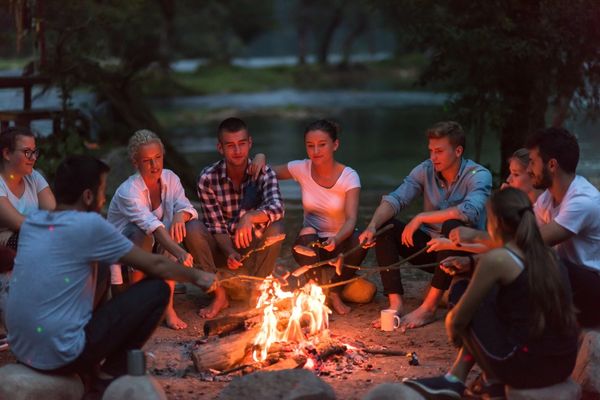
Many young adults arrive at Legacy carrying trauma, attachment wounds, and the broken trust that addiction tends to leave behind in their closest relationships. For them, trust does not come easily, and being part of a group can feel like a source of anxiety rather than support. We take that seriously. By building an intentional, supportive community, we give clients a place to relearn what safe connection feels like. They learn valuable lessons from one another about recovery and mental health, and they are invited to form genuine relationships along the way.
The Social Skills That Hold Up After Treatment
Around the fire, group members offer one another positive reinforcement, encouragement, and honest feedback. Learning to give and receive that kind of feedback, and learning to trust the people offering it, are the same skills that hold up healthy relationships long after treatment ends. The conversations clients have at the fire are not separate from their therapy. They are part of it, and they are some of the most powerful interpersonal experiences clients take home from their time at Legacy.
Does Peer Support Improve Recovery Outcomes?
The peer culture built around the evening fire is not only something clients feel, it shows up in the data. Legacy tracks client outcomes with the OQ-45, a standardized behavioral health measure, and across a decade of results clients improve significantly in both relationship functioning and social role functioning, with gains that hold 6 to 12 months after treatment. The honest work clients do with one another, much of it around the fire, is part of how that change happens, and it takes place inside a safe, well-supervised setting. You can review the full outcomes data and our safety record for yourself.
