


Why Legacy’s Trauma-Informed Approach Works
Our residential program in Utah features a low client-to-clinician ratio, flexible program lengths, and individualized care plans tailored to each client’s trauma history and recovery goals. Treatment addresses the impact of trauma, including adverse childhood experiences (ACEs), traumatic stress, and other behavioral health risk factors, while helping clients develop healthier coping skills and stronger protective factors for lasting recovery and wellness.
Legacy’s Utah Residential Program Environment
Legacy Outdoor Adventures offers residential treatment in Utah and facilitates local support services for detox, aftercare, and ongoing recovery.
Safe, Structured Base Camp
Our welcoming and inclusive residential spaces prevent re-traumatization, maintain emotional safety, and support personal growth by ensuring clients feel safe. Outdoor activities involve spending time with peers in a structured base camp where everyone plays a role and contributes.
Adventure & Outdoor Therapy Spaces
Ready for an adventure in healing?Discover our unique wilderness therapy programs.
Recognizing the Impact of Trauma on Addiction and Mental Health

What Sets Legacy Apart in Trauma-Informed Care?
Trauma often impacts a person’s sense of self, confidence, and self-esteem. Treatment programs at Legacy Outdoor Adventures teach clients essential skills for improving resilience, self-awareness, and self-worth. Trauma-informed therapy provides people with a safe and structured environment for processing traumatic memories, thoughts, feelings, or beliefs. We take a trauma-informed approach to treatment that empowers clients and equips them to move forward on their healing journey.
Therapy sessions, including outdoor therapeutic activities, are tailored to each client’s unique needs. The care team monitors client progress and uses trauma-informed care to ensure they feel comfortable addressing trauma in a natural or clinical setting.

Evidence-Based, Outcome-Informed Practices
Peer Support and Empowerment
Support groups allow individuals in rehabilitation to connect with others who share similar struggles, gain validation from peers, and exchange effective techniques for managing trauma. Group sessions normalize conversations about mental health and recovery, combating social stigmas. Additionally, becoming part of a healthy group dynamic builds resilience, fosters personal growth, and creates lasting relationships.
Groups may incorporate topics and ideas presented during outdoor therapy to increase client engagement and create a more cohesive treatment experience. Community and peer support are critical in building client confidence and empowering individuals in recovery. Trauma can cause self-isolating behaviors and trust issues, making it more challenging for people to communicate their needs. However, a welcoming and supportive community helps clients rebuild trust by allowing them to gradually develop healthy social connections with peers.
The thriving sober community at Legacy Outdoor Adventures provides clients with a sense of purpose and belonging. Everyone has the opportunity to share advice and coping strategies. The space allows people to express emotions without fear of judgment, increasing self-confidence and self-esteem. Everyone benefits from joining a community with shared goals and motivations.
Family Engagement & Protective Factors
Caregivers and family members are actively involved in therapy at Legacy Outdoor Adventures. Family therapy teaches clients to build support networks and strengthen relationships, which act as protective factors against relapse during long-term recovery.
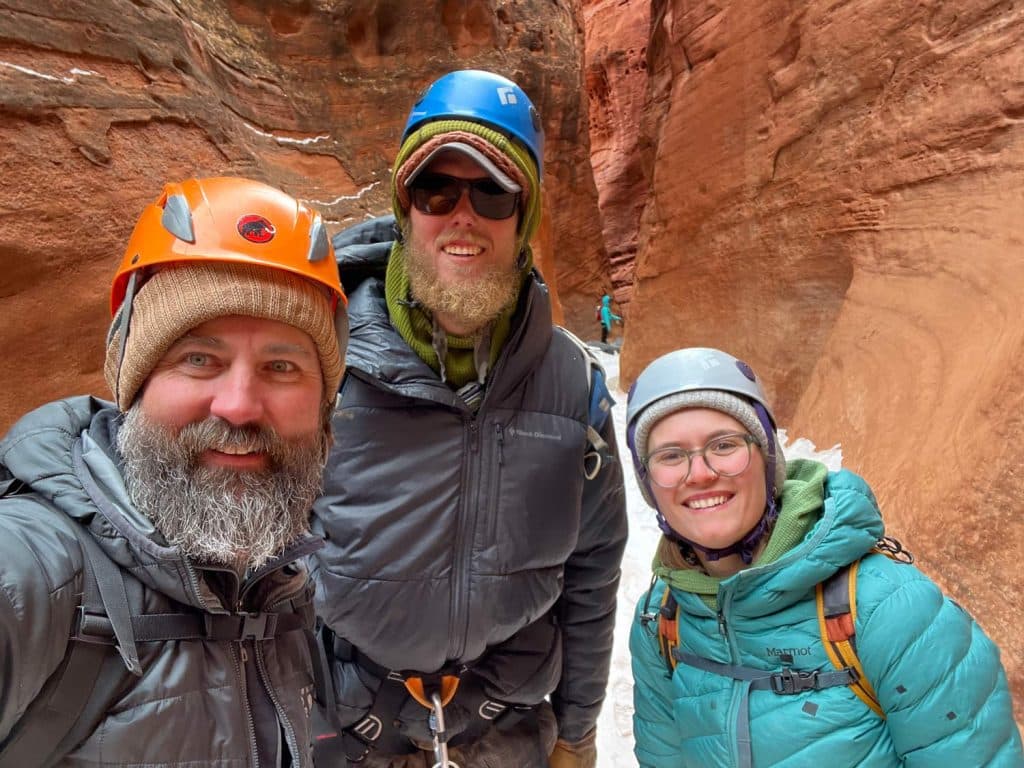
Multidisciplinary Providers
The effects of trauma can cause people to experience a wide range of symptoms and side effects. Trauma may cause significant trust issues and make it more difficult for some clients to open up to the care team. Trauma-informed therapy validates client experiences through active listening, empathy, and compassionate care.
We collaborate with clients and their loved ones to create personalized treatment plans. Healing from trauma may involve multiple levels of care and a combination of therapeutic modalities. We work with clients to ensure they receive the support and care they need to manage their condition.
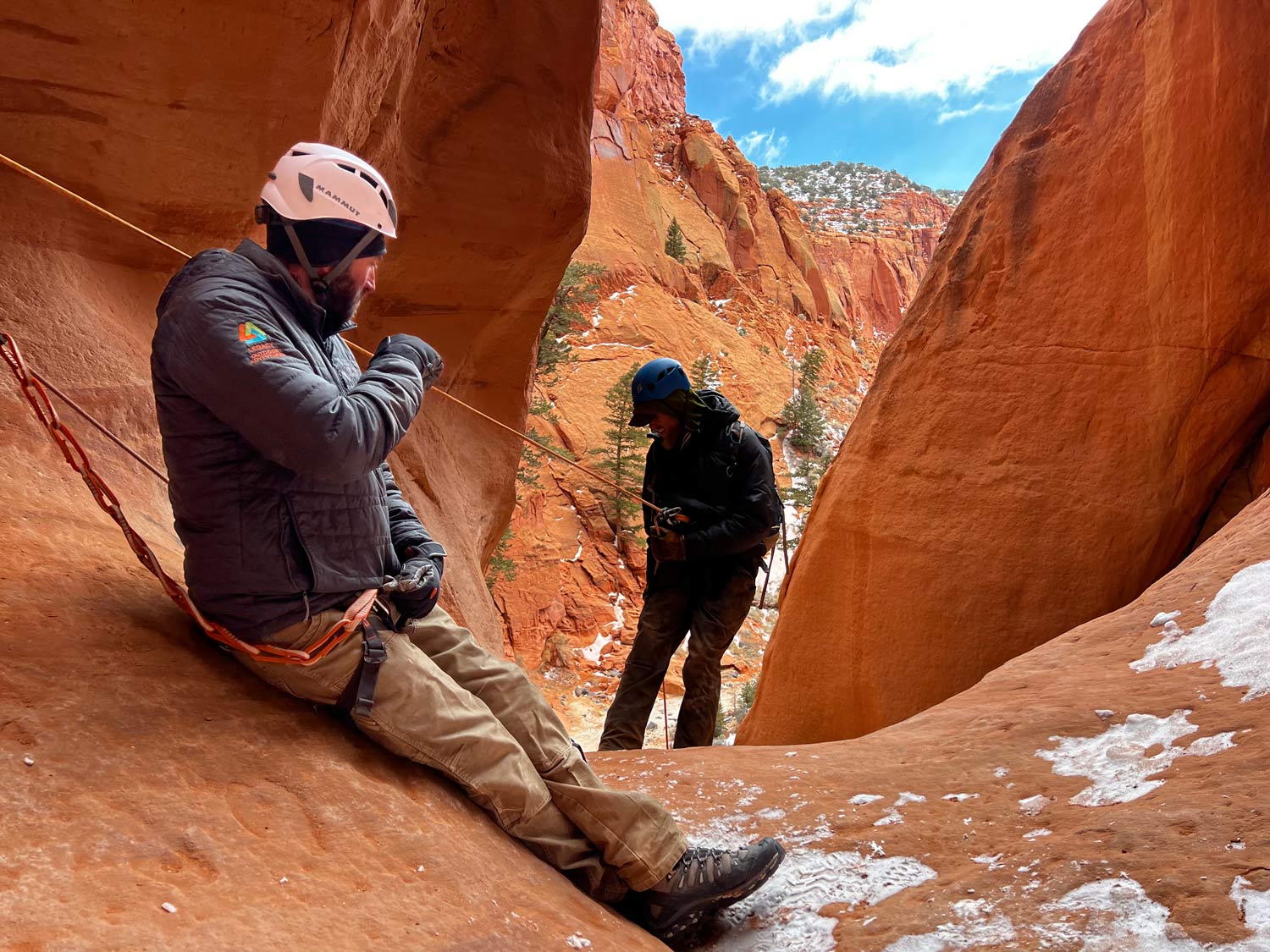
Adventure-Based Experiential Therapy
Outdoor therapy offers clients access to exciting leisure activities, social support and networking, and opportunities to practice essential life skills. Adventure guides teach trust and model positive social interactions to improve peer engagement. Clients with a history of trauma use adventure therapy and other treatment services to build trust and develop positive social connections.
Trauma-Informed Organization & Culture
The compassionate care team builds a solid foundation of trust with clients by respecting and accommodating their needs. Treatment programs at Legacy Outdoor Adventures address the root causes of addiction and trauma, providing clients with closure and the tools they need to process their experiences in a healthy way.
Program Highlights for Healing and Wellness
Individualized Trauma-Informed Therapy
Our residential programs offer weekly clinical therapy sessions tailored to address traumatic stress, behavioral health issues, and co-occurring disorders. We integrate trauma-specific therapy to provide people with a safe and structured environment for processing traumatic memories, thoughts, feelings, or beliefs. We employ a trauma-informed approach to recovery that empowers clients and equips them to move forward on their healing journey.
Peer & Group Therapy Programs
Family-Centered Trauma
Support
Trauma-informed family therapy sessions encourage healthy communication and trust. Some of the most common forms of trauma involve family members. Addressing trauma related to unhealthy family dynamics can strengthen relationships and help families heal together. We use family therapy and other services to educate clients and their loved ones about the importance of repairing or strengthening relationships before and after the transition to aftercare.
Legacy Outdoor Adventures ensures clients and their families know how to identify and address relationship issues that may negatively impact long-term sobriety and mental health. Families are encouraged to actively participate in treatment.
We also have alternative methods of support for clients recovering from trauma related to domestic violence or other traumatic events related to family dysfunction.
Adventure Therapy & Equine Experiences
We offer outdoor adventures with multiple skill levels, including base camp challenges and equine therapy sessions. Adventure therapy promotes resilience, builds life skills, and improves self-esteem. Clients use the skills learned in experiential therapy to manage symptoms of addiction or mental health disorders.
Recognizing When to Seek Trauma-Informed Care
Trauma can involve a single stressful event or multiple events. Each person responds differently to trauma. People who recognize signs of trauma in themselves or others may benefit from reaching out to mental health professionals. Our rehabilitation programs use principles of trauma-informed care to support trauma recovery and emotional healing.
Physical Symptoms of Trauma
Emotional and Psychological Signs of Trauma
Behavioral Changes Related to Trauma
Heal in the wild.Begin your recovery adventure now.

Addressing Shame and Self-Blame Cultivating Self-Compassion
The Impact of Adverse Childhood Experiences Shaping Long-Term Health and Well-Being
Legacy Outdoor Adventures uses wilderness therapy and trauma-informed care to help clients heal from the long-term physical, emotional, and behavioral effects of ACEs.

Trauma-Specific Treatment Options
Individuals with a history of trauma are more likely to experience addiction and secondary traumatic stress. Multiple connections exist between trauma and substance abuse. Some individuals use substance abuse to cope with the effects of trauma. For others, trauma and substance abuse may develop independently. Abusing substances may also lead to traumatic experiences.
Mental Health & Behavioral Health Interventions
Substance Use & Co-Occurring Conditions
Adventure-Based Trauma Therapy
Family & Caregiver Involvement
Additional Trauma-Informed Practices
FAQs
We do not currently treat adolescents. However, we do provide residential care to young adults aged 18 and older. Trauma-specific therapy and trauma-informed care provide young people with a safe space to express themselves and process their past experiences. Our experts give young adults the tools and skills to manage their condition and overcome the effects of trauma.
Legacy Outdoor Adventures integrates multiple evidence-based therapeutic modalities into our treatment model, including experiential therapy, equine therapy, cognitive-behavioral therapy, and adventure therapy. Trauma treatment uses various approaches to identify and manage trauma-related mental health or behavioral issues. We collaborate closely with clients to create a tailored care plan that supports lasting recovery.
Yes. We encourage family members to attend therapy sessions and to actively participate in their loved one’s recovery journey. Weekly Zoom therapy sessions allow family members to connect with their loved ones in a controlled setting under the guidance of a therapist or counselor.
Our residential programs accept people aged 18 and older. We provide trauma-informed, evidence-based care that addresses the root causes of trauma to help clients heal. Our care team also offers referrals to similar adventure therapy programs for teens under 18 who struggle with addiction or mental health issues.
Every client undergoes a thorough assessment during intake. We determine their general health, fitness level, outdoor skills, and interests in adventure activities to create safe and effective therapy sessions.
We offer flexible program scheduling and duration. Personalized care plans allow us to address the root causes of trauma, addiction, and mental health disorders. A typical client stays 90 days and participates in a variety of daily therapy sessions depending on their specific needs and recovery goals.
The prevalence of co-occurring trauma and addiction makes it essential for us to offer trauma-informed care. Our licensed providers have received professional trauma training and regularly update their knowledge to fit new research findings and clinical data. We use best practices to avoid re-traumatizing clients during rehabilitation.
Clinicians, outdoor guides, and support staff at Legacy Outdoor Adventures help clients avoid re-traumatization by being mindful of trauma histories, known trauma triggers, communicating clearly, setting realistic goals, and being transparent about expectations. Trauma recovery requires clients to build trust and confidence. Our team has over 30 years of experience helping people heal from addiction, mental health disorders, and underlying trauma.
The Substance Abuse and Mental Health Services Administration (SAMHSA) is a federal agency within the U.S. Department of Health and Human Services that provides guidance, research, and funding for behavioral health programs. Many treatment providers reference SAMHSA resources and frameworks when developing trauma-informed care practices.
Toxic stress refers to prolonged or intense activation of the body’s stress response system, often caused by repeated or severe adversity such as abuse, neglect, or chronic instability. Without supportive relationships or intervention, toxic stress can affect brain development, emotional regulation, and long-term health.
