Wilderness Therapy for Dallas Residents

Legacy Outdoor Adventures offers personalized wilderness therapy for Dallas, Texas residents seeking treatment for substance use disorder (SUD) or dual diagnosis. Our residential programs give people a structured space to heal and grow.

We Accept Most Major Insurance Plans


select health insurance logo
University of Utah Health insurance logo

From Texas to Utah: Our Wilderness Therapy Program

The modern, clinically grounded therapeutic programs at Legacy Outdoor Adventures use skill development and mutual peer support rather than a punitive boot camp model used by wilderness therapy programs in Texas. We treat substance use disorder, trauma, and co-occurring mental health disorders using an integrative approach that combines evidence-based clinical modalities and alternative holistic therapies. Our mental health professionals provide tailored care that reduces the risk of relapse and improves treatment outcomes. 

Why Dallas Families Seek Out-of-State Treatment

Families from Dallas, TX, may seek out-of-state treatment for their loved ones if local programs don’t deliver the desired outcomes. People who have had previous rehab experiences or experienced chronic relapse may respond better to our innovative adventure therapy and outcome-oriented focus. We prepare clients and their loved ones for lasting recovery by providing psychoeducation, family therapy, relapse prevention, basic life skills, mutual peer support, personalized treatment plans, and access to a dedicated clinical team. 

Adventure Therapy for Young Adults From Dallas, Texas

Our licensed residential treatment program uses personalized treatment plans and a holistic approach to help people heal from addiction. Clients benefit from our structured schedule, low client-to-staff support model, and 90-day primary treatment focus. Our integrative, whole-person focus sets us apart from other outdoor therapy programs. 

Legacy Outdoor Adventures offers clinical therapy four days per week and adventure therapy or outdoor activities three days per week. Our programs utilize peer support, skill development, relapse prevention, and psychoeducation to prepare young adults for lasting sobriety. Adventure therapy offers young people a unique perspective on recovery where they learn to regulate emotions, manage their condition, and build healthy coping strategies. Combining the tools learned in talk therapy with the confidence-building of hands-on experiential therapy enhances the effectiveness of both modalities. 
Why Dallas Families Choose Us

Our approach to treatment goes beyond traditional models by combining clinical sophistication, structured care, and measurable outcomes. At Legacy, every aspect of the program is intentionally designed to support deep, lasting healing, not just short-term stabilization.

Adventure Therapy Integrated With Clinical Treatment

Our program combines adventure therapy three days per week with over 20 hours of structured clinical therapy. This balanced approach helps clients apply therapeutic insights in real-world settings, building resilience, confidence, and emotional regulation in a way that traditional settings often cannot replicate.

Individualized, Whole-Person Treatment
Plans

Every client receives a personalized treatment plan based on a comprehensive evaluation of their mental health, substance use, trauma history, and lifestyle factors. We treat the whole person by integrating clinical care, experiential work, and personal development into one cohesive process.

Trauma-Informed, Clinically Sophisticated
Approach

All care is delivered through a trauma-informed lens, ensuring emotional safety while addressing the underlying drivers of substance use and mental health challenges. Our licensed clinicians provide advanced therapeutic interventions in a structured, supportive environment.

Structured Residential Setting With High Clinical Engagement

As a licensed residential treatment center (RTC), we provide a highly structured environment that supports consistency, accountability, and focus. Clients engage in a full weekly schedule of therapy, adventure-based experiences, and guided reflection designed to promote sustainable change.

Low Client-to-Staff Ratio and Personalized
Attention

With a limited number of clients, our team is able to provide focused, individualized attention. This allows for deeper therapeutic relationships, more responsive care, and a treatment experience tailored to each client’s needs and goals.

Aftercare & Long-Term Recovery
Planning

We believe in comprehensive care and, as such, work with clients for long-term recovery planning. The Summit Graduation Phase is our way of ensuring that clients transition from treatment with the skills and planning needed for success. This program is embedded in our 90-day program and includes referrals and resources for further support post-treatment.

Getting Started Is Easy

Our admissions team makes it easy for individuals and families to get the help they need to successfully recover from substance use disorder.

Step 1: Call to Speak to Admissions

Reach out to our compassionate admissions team for a confidential discussion about your unique needs and to begin the assessment process.

Step 2: Complete Application

Our specialists will help you verify your insurance and explore personalized treatment options, including our 90-day residential program.

Step 3: Verify Benefits

We’ll coordinate your arrival at our Utah location and begin your personalized treatment plan, ensuring a smooth start to your recovery.

Benefits of Our Residential Outdoor Therapy Program

Outdoor therapy has been proven to have multiple mental and physical health benefits. Spending time in green spaces improves mood, lowers stress, and increases positivity for many people. During our program, clients participate in adventure or wilderness therapy three times a week to complement clinical sessions. 

Individualized Treatment Plans

We do not use a cookie-cutter approach to client care or addiction recovery. Everyone has different motivations, goals, needs, preferences, health considerations, and medical history. We prioritize personalized care to ensure each individual receives support that meets their unique needs. Clinicians use information gathered during the initial intake interview and subsequent assessments to ensure clients receive the best treatments to address their needs and goals. Creating the care plan is a collaborative process in which clients and clinicians work together to create an effective, tailored treatment plan. 

Gender-Specific Programming

Legacy Outdoor Adventures uses gender-specific programming to ensure clients feel safe and comfortable engaging with peers. Our trauma-informed care and personalized services allow people to process and address gender-specific issues. We offer an inclusive, welcoming facility where people can join the programs that best fit them. Our men’s and women’s programs also accommodate nonbinary and gender fluid individuals with tailored treatments. Everyone deserves access to high-quality care and a space where they feel safe opening up to others who share similar life experiences.

Individual and Group Therapy

Psychotherapy and other therapeutic modalities provide clients with critical life skills, healthy coping mechanisms, peer support, a space for processing, and other tools for maintaining lasting sobriety. All of our programs have individual and group therapy sessions four days a week. Clinicians use cognitive-behavioral therapy (CBT), dialectical behavior therapy (DBT), motivational interviewing (MI), and other modalities to help clients heal and recover from substance use disorder. 

Group therapy sessions provide a nonjudgmental space where peers empower one another through mutual support and accountability. We believe peer engagement makes a critical difference in treatment outcomes and long-term recovery. Clients use clinical groups to process, gain essential insights, and learn practical skills for managing their condition. 

Wilderness Expeditions for Life Skills

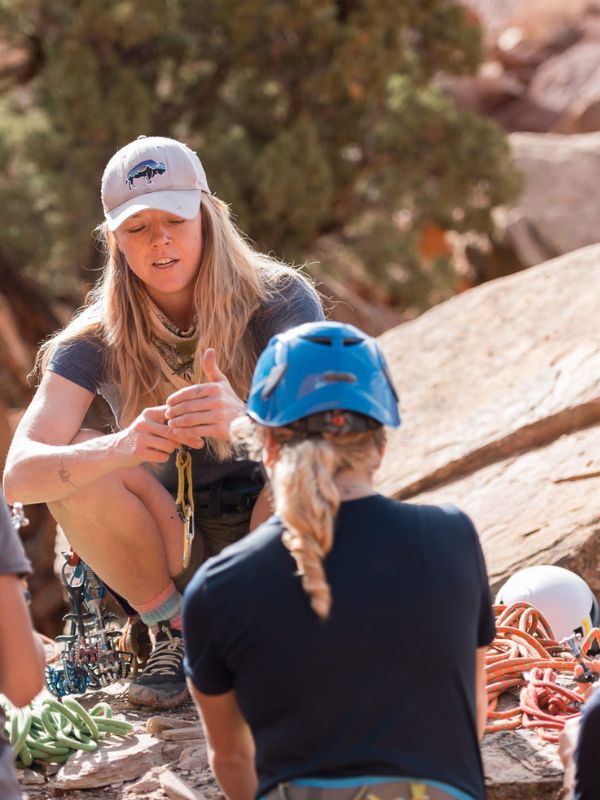
Wilderness and adventure therapy sessions take place three days a week and teach vital skills for recovery, including creative problem-solving, effective communication, and emotional regulation. People also learn life skills in real-world situations, such as time management during group activities. Outdoor therapy sessions enhance the effectiveness of clinical therapies and provide clients with a space to practice the skills they learn in group or individual therapy. 

We tailor all wilderness expeditions to each person’s physical abilities and skill level to ensure client safety and comfort. Spending time outdoors provides many health benefits that help prepare people for lasting recovery.

A smiling woman with a red backpack and sun hat walks along a rocky trail during a therapeutic nature hike.
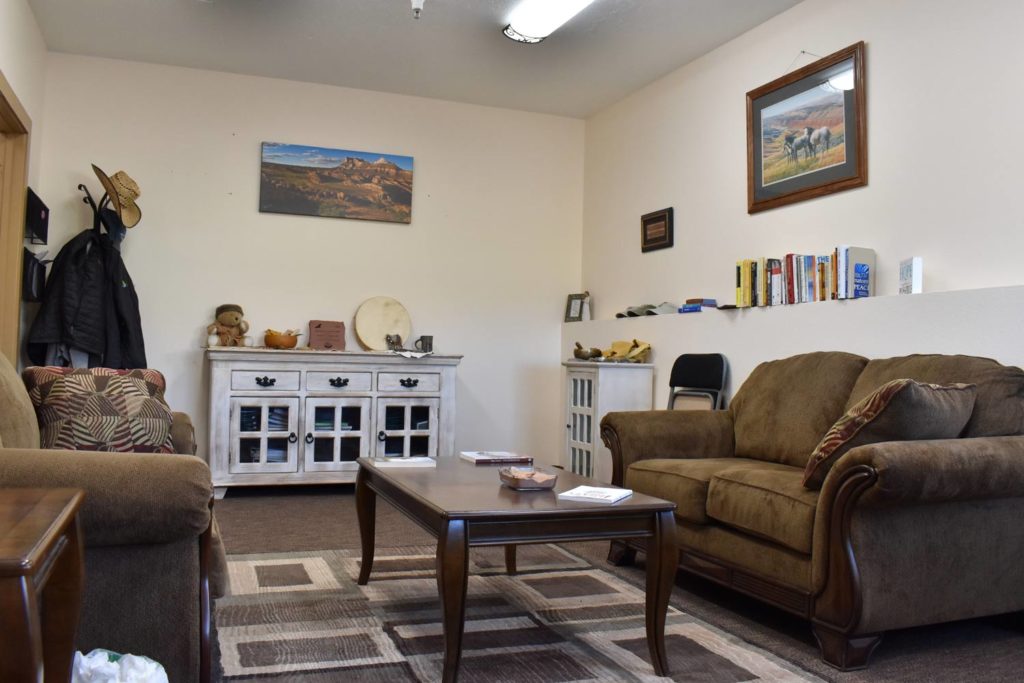
The warm and inviting interior of a therapy office, featuring comfortable couches and calming decor, designed to create a safe and private environment for individual or group counseling.

Medication Management (when needed) 

We offer medication management when needed. Some withdrawal symptoms or co-occurring conditions require prescription medications. We ensure clients have access to the medications they need to successfully manage their health and sobriety. Opioid use disorder (OUD) and alcohol use disorder (AUD) have the potential to cause life-threatening side effects or symptoms if left untreated, but we can help you recover with our whole-person approach.

Accreditations

The State of Utah licenses Legacy Outdoor Adventures as a provider of mental health and addiction treatment and as a Residential Treatment Center (RTC). This includes accreditation from the Outdoor Behavioral Healthcare Council (OBH), as well as from other leaders in mental and behavioral healthcare.

Petree Consulting Inc

Treating Substance Abuse and Co-Occurring Mental Health Conditions

Co-occurring mental health disorders, such as eating disorders (EDs), attention-deficit/hyperactivity disorder (ADHD), and post-traumatic stress disorder (PTSD), have a direct impact on physical and emotional wellness. Our facility uses outdoor behavioral healthcare, clinical modalities, and other treatments to address dual diagnosis. 

Connecting Substance Use and Mental Health Disorders
People with substance use disorder have a higher risk of being diagnosed with co-occurring disorders, including depression or generalized anxiety disorder (GAD). Clinicians utilize evidence-based therapeutic modalities, including CBT, DBT, family therapy, and trauma therapy, to help clients manage mental health disorders during treatment for substance abuse.

Meet Your Care Team

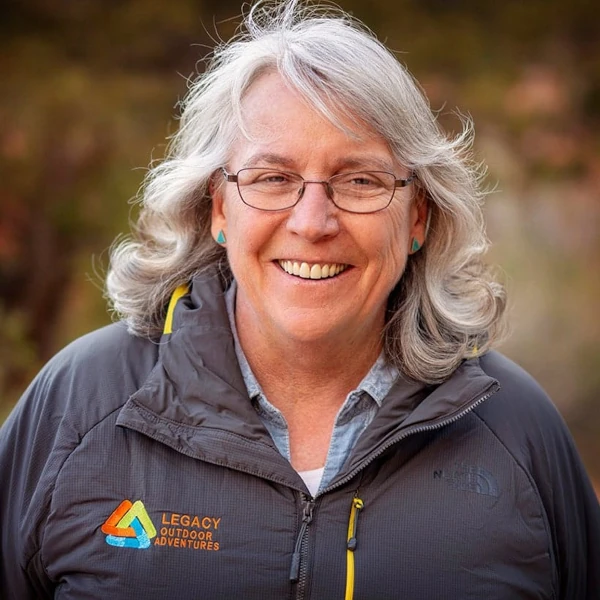
Dr. Madolyn Liebing

Clinical Consultant
Ph.D. Psychologist, LMFT

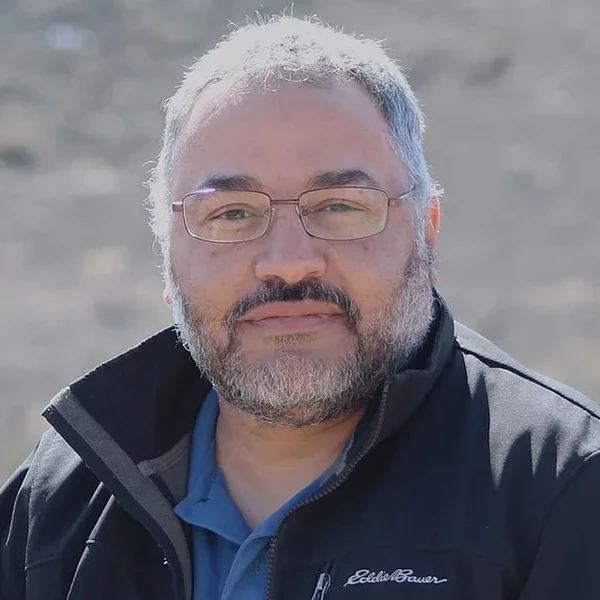
Devon Nanton

Primary Counselor
SUDC

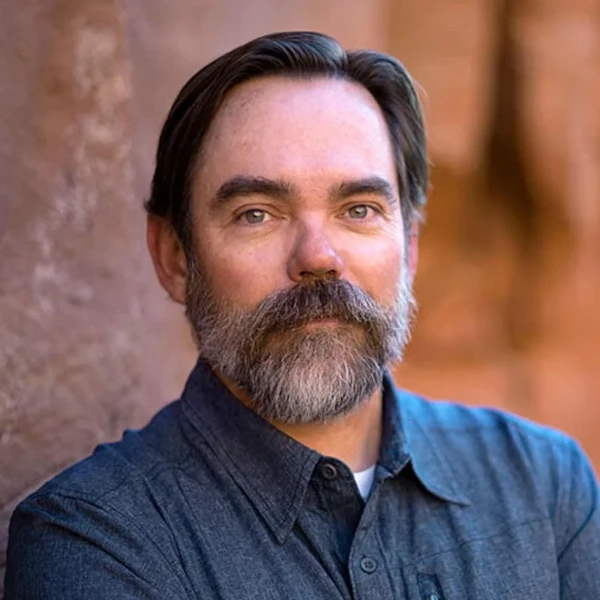
Justin Swensen

Clinical Director
LMFT
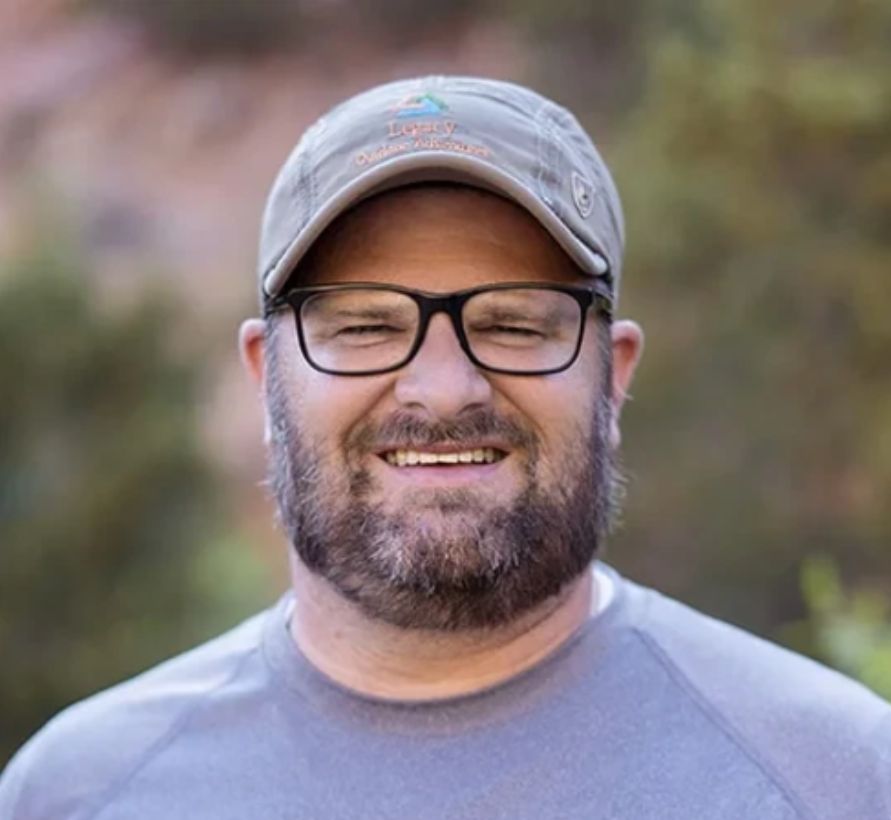
Portrait of a team member wearing a Legacy Outdoor Adventures hat, representing trauma-informed care and guidance.

Troy Faddis

Clinical Supervisor & Family Therapy Specialist
LMFT
Three women share a laugh while leaning against a wooden fence in an open, rural outdoor setting.

Building Hope and Healing With Family Therapy

Family therapy allows loved ones to play an active role in supporting struggling young adults. Our family therapy sessions keep clients connected with their support system in Dallas. We also offer ongoing family and alumni support during aftercare to help young people and their loved ones navigate challenges in early recovery. 

Family members may also have their own trauma caused by their loved one’s substance abuse. We provide information about community-based and private support resources for families of people in recovery to ensure everyone in the family unit heals together. 

Relapse Prevention for Sustained Sobriety

Legacy Outdoor Adventures uses relapse prevention, psychoeducation, crisis management strategies, and skill development to prepare clients for sustained sobriety. Individuals recovering from opioid use disorder (OUD) or other forms of substance use disorder that may require medication-assisted treatment (MAT) benefit from our outcome-oriented focus and relapse prevention education. 

Recognizing When a Young Adult Needs Residential Treatment Outside Dallas, TX

We treat young adults aged 18 and older struggling with substance use disorder and dual diagnosis. People concerned about themselves or a loved one can keep an eye out for warning signs of addiction, such as an inability to stop abusing a substance despite multiple attempts, withdrawal symptoms during periods of abstinence, chronic relapse, and requiring more of a substance to achieve the same effect. Early intervention and treatment reduce the risk of lasting harm caused by substance abuse. 

Addiction Treatment Can Help

Our addiction treatment programs give families and individuals hope and help them recover from the effects of substance use. Outdoor therapy increases mindfulness and self-awareness, while clinical sessions ensure clients and their loved ones fully understand their condition, what to expect during the stages of recovery, and how to navigate common recovery challenges. 

What others are saying

Frequently Asked Questions

Dallas residents may not have access to local programs that offer integrative care combining holistic and clinical modalities. Legacy Outdoor Adventures utilizes a whole-person approach to treatment, combining outdoor and clinical therapy to help people build confidence, skills, resilience, and motivation for long-term sobriety. 

We use various methods to assess client progress and needs, ensuring treatment remains appropriate at every stage of rehabilitation. The care team monitors client physical and psychological wellness throughout treatment. Field guides may adjust the type of wilderness therapy activities clients participate in based on their overall health and any changes to their clinical needs. 

Residential treatment programs at Legacy generally last 90 days with the option to extend or shorten stay as needed. Clinicians monitor weekly progress and adjust care plans to ensure clients receive the level of care they need to prepare for lasting recovery. Our programs encourage clients to follow a continuum of care that keeps them moving through multiple levels of care over a period of months, strengthening positive changes and reducing the risk of relapse. Most clients transition to outpatient care after attending our 90-day residential program. 

Survival programs have strict rules, boot-camp-like punitive measures, and people spend days or weeks camping outdoors. Our program uses outdoor activities that can be completed in an afternoon, allowing clients to return to the comfort of our facility at night. We do not punish clients or use strict rules to control their actions. Instead, our outdoor guides and clinical staff teach essential life skills, healthy coping mechanisms, and provide practical support. 

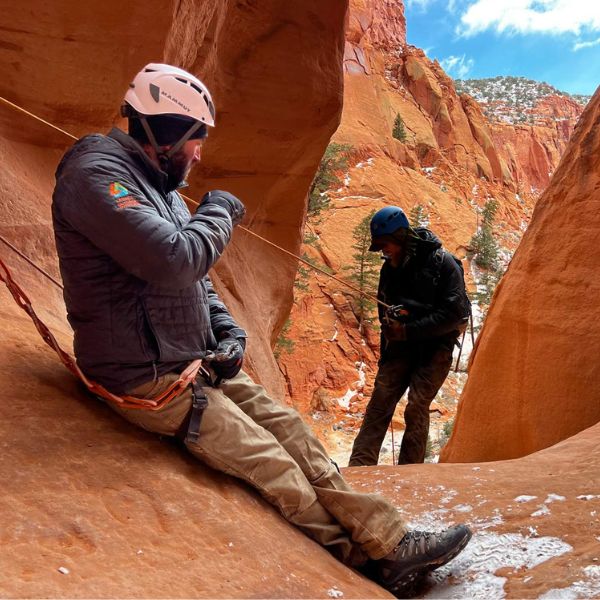
Staff guide clients as they learn basic life and coping skills while engaging in activities like hiking, kayaking, rock climbing, or a ropes course. Clients also learn patience, communication, and teamwork. The benefits of outdoor activities go beyond addiction recovery.  Many people continue to use these activities to practice mindfulness and self-reflection after completing treatment.