

Oxycodone Addiction Rehab in Utah

Legacy Outdoor Adventures treats oxycodone addiction and other forms of substance use disorder (SUD) using evidence-based and holistic therapies. We provide personalized residential oxycodone addiction rehab in Utah to individuals struggling with addiction and co-occurring mental health conditions.

People Hiking in the Woods

Oxycodone Addiction Treatment in Utah

We serve people aged 18 and older diagnosed with SUD or dual diagnosis. Our residential treatment program addresses all forms of SUD, including alcohol use disorder (AUD) and opioid addiction. The healthcare professionals at Legacy Outdoor Adventures use an outcome-focused approach that integrates traditional talk therapy with outdoor therapy and behavioral health care. Our beautiful Utah location and experienced staff provide clients with a safe and welcoming environment. We treat oxycodone addiction using evidence-based methods and tailored care. 

Ideal Environment for Young Adults in Need of Stability

Our oxycodone addiction rehab offers young adults an ideal space to achieve emotional and physical stability away from the distractions and triggers of their home environment. Family members can gain peace of mind from knowing their loved one is in the hands of experts with decades of experience treating oxycodone abuse and co-occurring mental health disorders. The staff at our addiction treatment center uses personalized care plans to identify and address individual needs. 

What Sets Us Apart

Our approach to treatment goes beyond traditional models by combining clinical sophistication, structured care, and measurable outcomes. At Legacy Outdoor Adventures, every aspect of the program is intentionally designed to support deep, lasting healing, not just short-term stabilization.

Adventure Therapy Integrated With Clinical Treatment

Our program combines adventure therapy three days per week with over 20 hours of structured clinical therapy. This balanced approach helps clients apply therapeutic insights in real-world settings, building resilience, confidence, and emotional regulation in a way that traditional settings often cannot replicate.

Individualized, Whole-Person Treatment
Plans

Every client receives a personalized treatment plan based on a comprehensive evaluation of their mental health, substance use, trauma history, and lifestyle factors. We treat the whole person by integrating clinical care, experiential work, and personal development into one cohesive process.

Trauma-Informed, Clinically Sophisticated
Approach

All care is delivered through a trauma-informed lens, ensuring emotional safety while addressing the underlying drivers of substance use and mental health challenges. Our licensed clinicians provide advanced therapeutic interventions in a structured, supportive environment.

Structured Residential Setting With High Clinical Engagement

As a licensed residential treatment center (RTC), we provide a highly structured environment that supports consistency, accountability, and focus. Clients engage in a full weekly schedule of therapy, adventure-based experiences, and guided reflection designed to promote sustainable change.

Low Client-to-Staff Ratio and Personalized
Attention

With a limited number of clients, our team is able to provide focused, individualized attention. This allows for deeper therapeutic relationships, more responsive care, and a treatment experience tailored to each client’s needs and goals.

Aftercare & Long-Term Recovery
Planning

We believe in comprehensive care and, as such, work with clients for long-term recovery planning. The Summit Graduation Phase is our way of ensuring that clients transition from treatment with the skills and planning needed for success. This program is embedded in our 90-day program and includes referrals and resources for post-treatment support.

Our Treatment Options for Oxycodone Addiction

Our residential rehab programs prepare clients for lasting recovery by providing essential tools for maintaining sobriety long-term. We use various types of treatment approaches, including adventure, individual, group, and family therapy, to build resilience, teach essential skills, and stabilize clients. 

Adventure Therapy

Our rehab center uses adventure therapy to help clients connect with nature, engage with peers, develop essential life skills, and build self-confidence. Clients participate in weekly outdoor activities that present challenges for them to overcome as a team. Cooperative work and mutual peer support build self-confidence and self-esteem.

Clinical Therapy

Inpatient treatment for addiction recovery involves various forms of traditional clinical therapy, including cognitive-behavioral therapy (CBT), dialectical behavior therapy (DBT), and psychoeducation. We use clinical approaches alongside outdoor experiential therapy to help clients move forward in their recovery journey. 

Adventure therapy and other experiential modalities enhance the effectiveness of traditional clinical therapy sessions, giving clients an opportunity to practice new skills in structured real-world situations. 

Trauma-Informed Care

Our trauma-informed care ensures clients diagnosed with a co-occurring mental health disorder avoid retraumatization during rehabilitation. The treatment process involves identifying and addressing the root cause of addictive behaviors, including trauma. Our clinicians and support staff have trauma-informed training. 

Evidence-Based Practices

Our evidence-based practices give people the skills and tools to manage their condition successfully. We offer a comprehensive inpatient level of care that uses support groups in addition to group, family, and individual therapy. 

Our treatment facility uses detailed intake assessments and regular monitoring to ensure clients receive the best care to meet their unique needs. We strive to stay on the front lines of innovative treatment for addiction and mental health, updating our programs with new proven methods as appropriate. 

Psychiatric Medication Management
Our facility offers psychiatric services to individuals in rehabilitation for oxycodone addiction and other forms of SUD. We only use psychiatric medication management when appropriate. Opioids may require some form of tapering or medication support to safely navigate early recovery. We can facilitate medication management and provide medications for addressing cravings or other persistent withdrawal symptoms. 
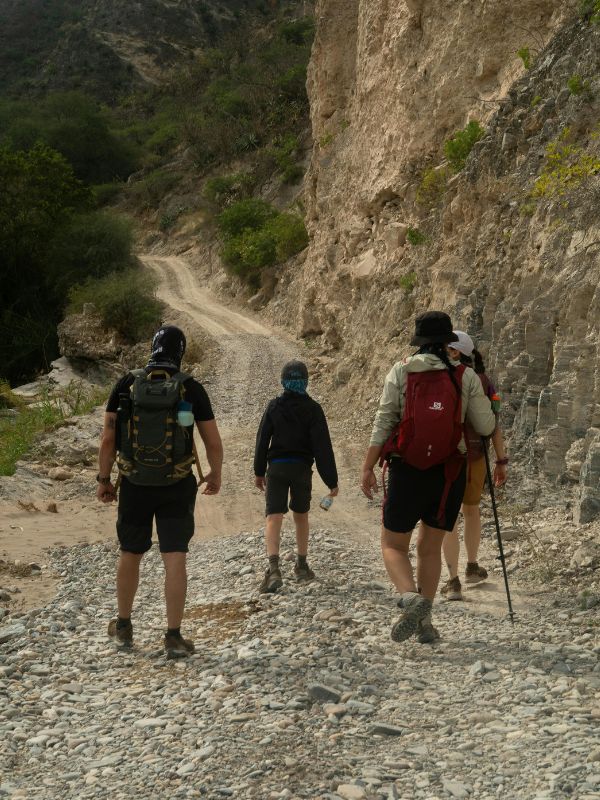
A group of people wearing backpacks hike along a rugged mountain trail as part of an adventure therapy program.

What You Can Expect From Our Treatment Programs

Our residential programs use individualized treatment plans, support services, weekly progress monitoring, and a structured environment to help clients recover and develop the skills for maintaining long-term sobriety. We tailor our programs and services to the unique needs of each client and their specific recovery goals. 

Individualized Treatment Planning

We use personalized care planning to support client recovery goals and program adherence. Every client undergoes an initial assessment during the intake interview that involves gathering all relevant information we need to present appropriate treatment options. Our low client-to-staff ratio allows us to easily monitor client progress and adjust treatment plans as needed to ensure they meet changing needs during rehab. 

Clinicians also offer aftercare planning that builds off the treatment plan we use to treat SUD. Our experts work closely with clients and their loved ones to create a smooth transition between levels of care during early recovery, reducing the risk of relapse and enhancing the benefits of professional treatment. 

Medication-Assisted Treatment

Our team uses medication-assisted treatment (MAT) to treat withdrawal symptoms on a case-by-case basis. We never prescribe medications unless we believe no other appropriate option can provide the same level of relief. Not everyone needs or wants MAT during rehabilitation. We respect client preferences and only offer MAT when it would improve a client’s physical or psychological health. 

Chronic opioid abuse may require gradually tapering off the drug or using medications to minimize withdrawal effects during detoxification and early recovery. Our team has decades of experience providing clients with MAT and other support services. 

Daily-Structured Clinical Programming

Clients benefit from the daily structure and routine our programs offer. We provide people with achievable goals for sustainable lifestyle changes that support recovery. 

Clients spend their mornings in reflection and meditation, preparing for the day and setting short-term goals. Our facility offers three nutritious meals a day with individual and group therapy sessions throughout the day. Outdoor therapy sessions often take the form of group activities such as hiking or rock climbing. 

Weekly Progress Monitoring

Our tailored approach to client care and outcome-oriented focus allow us to make adjustments to treatment plans as needed. We use various forms of tracking to monitor weekly progress. Clients benefit from the personalized care our team provides, informed by information gathered through monitoring their physical and emotional health. Clinicians collaborate closely with clients to ensure they feel comfortable with the pace of their recovery and the length of their stay in our program. 

Progress monitoring gives clinicians greater insight into the unique needs and challenges for each individual. We use that information to create a more holistic treatment plan that addresses any issues before they can interfere with recovery. 

Support for Co-Occurring Mental Health Disorders

We treat co-occurring mental health conditions using individual therapy sessions and group therapy. Our clinicians use CBT and other forms of talk therapy, wilderness therapy and other experiential modalities, and personalized support to help clients manage mental health issues. 

Some of the common mental health disorders we treat alongside oxycodone addiction include major depressive disorder (MDD), anxiety, personality disorders, mood disorders, post-traumatic stress disorder (PTSD), and bipolar disorder. We treat all active conditions using a whole-person approach. 

Relapse Prevention and Aftercare

The underlying cause of oxycodone addiction may increase the risk of relapse compared to other substances. Many people diagnosed with chronic pain and other co-occurring medical conditions who are using oxycodone and brand-name OxyContin need aftercare treatment and relapse prevention planning to help them successfully navigate the transition between our residential programs and lower levels of care. 

Family often plays an important role in relapse prevention. We use psychoeducation and family therapy to ensure clients and their loved ones understand how to respond during moments of high stress to avoid a potential relapse.

Ready for an adventure in healing?Discover our unique wilderness therapy programs.

Three women share a laugh while leaning against a wooden fence in an open, rural outdoor setting.

When to Seek Help for Oxycodone Addiction

You should seek help for yourself or a loved one if oxycodone addiction interferes with overall well-being or quality of life. The warning signs of chemical dependency and physical dependency of oxycodone abuse include continuing to use the drug despite negative consequences, withdrawal symptoms during periods of abstinence, social withdrawal, declining work or school productivity, and an inability to quit using oxycodone. 

Early intervention and effective treatment reduce the risk of lasting side effects and relapse. Legacy Outdoor Adventures can help you heal and recover from the effects of SUD. 

FAQs

If you or a loved one struggles with oxycodone addiction, your insurance provider may partially or fully cover residential treatment. Most insurance plans cover drug rehab programs that are considered medically necessary. We can help you determine what services your insurance will cover. 

Oxycodone addiction treatment may involve managing co-occurring health issues, including chronic pain, using physical therapy for pain relief. If appropriate, we may also use a prescription painkiller such as buprenorphine or methadone. We can verify if your insurance will cover pain management during inpatient rehab. Our medical care team will help you navigate treatment for physical dependence and substance use disorders. 

Medical detox services provide critical support during detox to ensure you remain safe during withdrawal from opioids and other substances. Professional help managing cravings, severe pain or chronic pain, side effects, and co-occurring disorders reduces the risk of relapse and minimizes the severity of symptoms.

We do offer referrals to various services as necessary, including higher levels of care, such as medical detox, and lower levels of care, including a partial hospitalization program (PHP), an intensive outpatient program (IOP), outpatient treatment, and sober living options. Clients have access to a variety of treatments based on their specific needs. 

We encourage family and close friends to support their loved ones during rehabilitation by participating in family therapy sessions and support groups. Many clients benefit from family therapy and other support services that help people repair and strengthen relationships damaged by oxycodone use. 

Most people go through a 90-day program. However, we offer personalized care plans that allow us to extend lengths of stay as needed to meet client needs. Our medical professionals understand that the recovery process looks different for everyone. We collaborate closely with clients and their families to create an individualized treatment plan that includes an appropriate length of stay in our program.