
Klonopin Addiction Treatment Center in Utah

Legacy Outdoor Adventures offers Klonopin addiction treatment for people struggling with substance use disorder (SUD). Our licensed residential treatment center in Utah provides personalized mental health and substance use treatment, including adventure therapy and an integrative clinical care model.

People Hiking in the Woods

Our Adventure-Based Klonopin Addiction Treatment Program

Our inpatient treatment program helps people experiencing Klonopin (clonazepam) addiction and co-occurring conditions. Licensed clinicians, field guides, and medical professionals make up our trauma-informed team. The low client-to-staff ratio and standard 90-day program length provide a safe space for people to heal and recover from SUD. 

Our Utah residential treatment center offers benzodiazepine addiction treatment to young adults 18 and older struggling with Klonopin dependence and co-occurring anxiety or panic disorders. Clinicians have decades of experience providing benzodiazepine-specific stabilization, including tapering and emotional regulation support.

Our Treatment Program in Utah

The team at Legacy treats Klonopin abuse in a safe space that separates clients from triggers and high-risk environments. We integrate adventure therapy into our clinical schedule to create a consistent, structured setting that incorporates nature-based therapeutic modalities, enhancing the effectiveness of clinical sessions. 

What Sets Us Apart

Our approach to treatment goes beyond traditional models by combining clinical sophistication, structured care, and measurable outcomes. At Legacy Outdoor Adventures, every aspect of the program is intentionally designed to support deep, lasting healing, not just short-term stabilization.

Adventure Therapy Integrated With Clinical Treatment

Our program combines adventure therapy three days per week with over 20 hours of structured clinical therapy. This balanced approach helps clients apply therapeutic insights in real-world settings, building resilience, confidence, and emotional regulation in a way that traditional settings often cannot replicate.

Individualized, Whole-Person Treatment
Plans

Every client receives a personalized treatment plan based on a comprehensive evaluation of their mental health, substance use, trauma history, and lifestyle factors. We treat the whole person by integrating clinical care, experiential work, and personal development into one cohesive process.

Trauma-Informed, Clinically Sophisticated
Approach

All care is delivered through a trauma-informed lens, ensuring emotional safety while addressing the underlying drivers of substance use and mental health challenges. Our licensed clinicians provide advanced therapeutic interventions in a structured, supportive environment.

Structured Residential Setting With High Clinical Engagement

As a licensed residential treatment center (RTC), we provide a highly structured environment that supports consistency, accountability, and focus. Clients engage in a full weekly schedule of therapy, adventure-based experiences, and guided reflection designed to promote sustainable change.

Low Client-to-Staff Ratio and Personalized
Attention

With a limited number of clients, our team is able to provide focused, individualized attention. This allows for deeper therapeutic relationships, more responsive care, and a treatment experience tailored to each client’s needs and goals.

Aftercare & Long-Term Recovery
Planning

We believe in comprehensive care and, as such, work with clients for long-term recovery planning. The Summit Graduation Phase is our way of ensuring that clients transition from treatment with the skills and planning needed for success. This program is embedded in our 90-day program and includes referrals and resources for post-treatment support.

Highlights of Our Klonopin Addiction Treatment Program
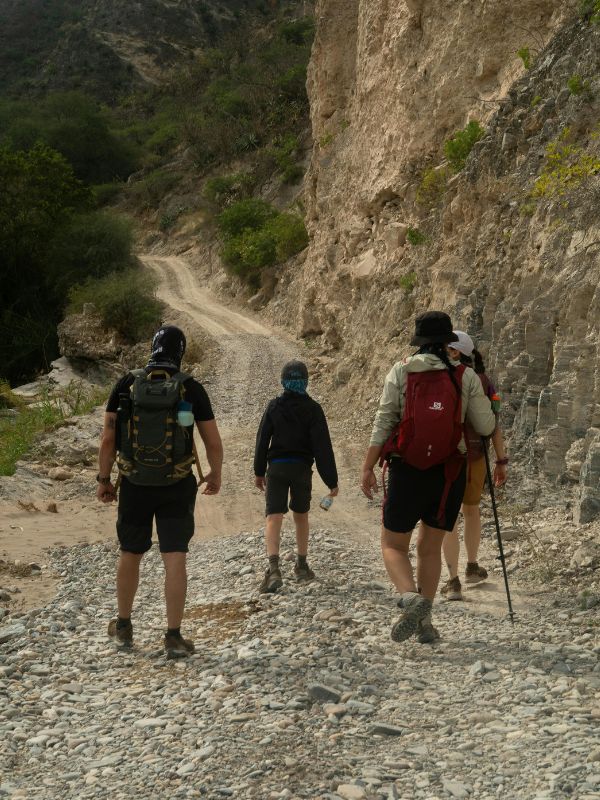
Our treatment programs offer medical oversight to ensure safe withdrawal from the side effects of Klonopin cravings or other symptoms. We combine outdoor experiential therapy with clinical psychotherapy to address all aspects of substance abuse and dual diagnosis. 
A group of people wearing backpacks hike along a rugged mountain trail as part of an adventure therapy program.

Medical Oversight for Benzodiazepine Withdrawal Safety

Residential care includes medical oversight to ensure safe withdrawal during the first few months of recovery. We provide personalized care, including medications when necessary, to minimize lingering withdrawal symptoms. 

Adventure Therapy for Emotional Regulation and Stress Recovery

We use adventure therapy to reduce stress, improve emotional regulation, and build essential life skills. People gain multiple health benefits from spending time in nature with peers doing healthy activities. We use proven methods and have experienced field guides to ensure clients’ safety during adventure therapy. 

Structured Daily Programming for Stability and Routine

The daily routine of our programs provides stability, routine, and structure to people recovering from alcohol or drug use. We provide three balanced meals each day between therapy sessions and free time. 

Individual Therapy for Anxiety, Panic Disorder, and Trauma

One-on-one therapy gives clients a private and nonjudgmental space to express themselves, process trauma, and develop skills for managing anxiety, panic disorder, or the effects of trauma. Our clinicians use evidence-based modalities to address the effects of drug abuse and co-occurring mental illness.

Group Therapy and Peer Support for Substance Use Recovery

Our healthcare professionals use peer support and engagement to enhance individual therapy. We offer group therapy, support groups, and community activities to help clients build positive connections with peers. Clients attend multiple group therapy sessions every week. 
Two individuals provide comfort to a person in distress, symbolizing trauma-informed care and peer support.

What to Expect From Our Evidence-Based Program

People participating in our residential programs can expect to spend 15 to 20 hours a week engaged in therapy sessions. The intensive treatment schedule allows people to make quick progress in recovery. We ensure the overall wellness of our clients by providing expert clinical care, trauma support, and structure. 

Structured Therapy and Behavioral Health Support

We use structured therapy and behavioral health care approaches to support clients and help them build a healthy foundation for the future. Clients participate in at least one individual therapy session per week and multiple group therapy sessions to address behavioral health issues.

Trauma-Informed Care for Anxiety and Dependence Patterns

People who abuse Klonopin often have anxiety disorders and a history of trauma. We use trauma-informed care to treat addiction, trauma, and co-occurring disorders, including post-traumatic stress disorder (PTSD) or other anxiety disorders. 
 

Expert Clinical and Medical Professionals

Our medical professionals have decades of experience providing clinical care to clients with SUD and dual diagnosis. We have the resources to provide high-quality treatment and ongoing support to individuals struggling with Klonopin addiction. 

Ready for an adventure in healing?Discover our unique wilderness therapy programs.

Three women share a laugh while leaning against a wooden fence in an open, rural outdoor setting.

Treatment Options Supporting Lasting Recovery

We use evidence-based care for benzodiazepine addiction, including psychotherapy and psychiatric support. Our inpatient residential treatment for Klonopin dependence uses a behavioral health approach combined with adventure therapy to help clients manage anxiety and panic disorders. 

Aftercare Planning for Long-Term Stability

We use aftercare planning to prepare clients for lasting sobriety. An aftercare plan sets people up for success in ongoing recovery by providing the resources and guidance to overcome challenges. We use aftercare planning to provide individual therapy referrals and information on support groups, community-based programs, or other support services. 

Conditions We Treat in Our Klonopin Rehab Program

We treat various types of SUD, polysubstance use, and co-occurring mental health disorders. 

Anxiety and Panic Disorders

Some of the commonly co-occurring mental health conditions we treat alongside Klonopin addiction include generalized anxiety disorder (GAD), panic disorder, depression, trauma-related disorders, emotional dysregulation, and severe anxiety symptoms related to dependence.

Polysubstance Risk Factors

Opioid interaction risks make it dangerous to practice medication misuse patterns while abusing other substances. For example, alcohol use with benzodiazepines can cause life-threatening side effects. People who abuse multiple substances have a higher risk of experiencing complications during rehabilitation. We treat all forms of substance abuse simultaneously. 

Klonopin Addiction and Benzodiazepine Use Disorder

Our programs treat Klonopin dependence, long-term benzodiazepine use, and prescription drug misuse.

When Klonopin Addiction Treatment Is Right for You

You may benefit from Klonopin treatment if you recognize the signs of dependence, feel distressed by Klonopin use, or have friends and family prompting you to seek treatment. 

Signs That Klonopin Use Has Become Physical Dependence

Some of the signs of Klonopin dependence include a high tolerance of the drug and intense withdrawal symptoms, such as cravings. 

How Benzodiazepine Withdrawal Symptoms Develop Over Time

Withdrawal symptoms may take time to reach their most severe due to the long-acting nature of the drug. Klonopin takes a long time to move through the body, which means it takes longer for withdrawal to start. 

When Tapering Without Medical Support Becomes Risky

Tapering off a benzo like Klonopin without the supervision of medical professionals has the potential to cause severe or life-threatening side effects. Relapse and overdose are significant dangers of tapering without medical support. 
A smiling woman with a red backpack and sun hat walks along a rocky trail during a therapeutic nature hike.

Integrated Support for Long-Term Healing
Our program provides clients with the tools and coping skills they need to successfully manage their condition. Adventure therapy builds confidence, and clinical therapy helps clients process trauma or other underlying causes of addictive behaviors. 

Outcome-Informed Care and Progress Monitoring

Clinicians monitor client progress and adjust treatment plans as needed to ensure the best possible outcomes. We monitor physical, emotional, and spiritual wellness through every stage of treatment, tailoring therapy and other services as needed to help clients meet their recovery goals. 

Relapse Prevention for Benzodiazepine Dependence

Aftercare planning often involves relapse-prevention education, which provides clients and their families with specific steps to avoid relapse. Early recovery has the highest risk of relapse and overdose. We educate clients and their loved ones on the realities of benzodiazepine dependence and how to avoid falling back into maladaptive patterns of behavior. 

Family Involvement in Recovery Planning

We encourage family involvement in recovery planning. Family often plays a vital role in the recovery process, providing additional accountability, motivation, and support to loved ones in treatment. 

Alumni and Long-Term Support Network

We offer alumni services and long-term support, including a community network of peers and recovery experts. Our clinicians check in with alumni and their families each month to offer ongoing support and monitor continuing progress. 

How Loved Ones Can Recognize Warning Signs

Family members may be the first to notice if their loved one shows the following signs of Klonopin addiction: 
  • Taking higher doses to achieve the same effects
  • Slurred speech
  • Chronic drowsiness
  • Reaction time impairment 
  • Hoarding the drug
Long-term use of Klonopin increases the risk of dependence and addiction. 
A group of six smiling professionals stand together in a wooded area with tall trees and soft, natural sunlight.

Healing in a Structured Utah Residential Setting

Our Utah location and residential programs provide a comfortable space for people in recovery. We provide a stable, supportive environment where individuals recovering from Klonopin addiction can focus fully on healing without the distractions and triggers of everyday life. Through evidence-based therapies, personalized care, and consistent daily routines, clients build healthier coping skills, address the underlying causes of addiction, and develop a strong foundation for lasting recovery.

Frequently Asked Questions (FAQs)

People who develop a physical dependence on Klonopin, experience withdrawal effects, and feel unable to stop taking the drug despite repeated attempts may have Klonopin addiction. A clinical assessment is necessary to diagnose Klonopin addiction and other forms of SUD. 

Klonopin is a central nervous system depressant that slows brain activity and boosts GABA production. Medical professionals prescribe Klonopin to treat seizures, muscle spasms, anxiety, and panic attacks. 

Yes. Klonopin withdrawal symptoms can cause dangerous side effects if left untreated. Unsupervised withdrawal has the potential to cause serious health complications, including seizures. We provide referrals to trusted medical detox centers to ensure a safe withdrawal from Klonopin before clients transfer to our inpatient programs. 

The length of addiction treatment varies depending on how long the substance was abused, at what dose, and any co-occurring conditions. We offer 90-day treatment programs that we can tailor to each client’s needs. 

No, we do not offer on-site medical detox. Our clinicians provide referrals to a local treatment facility with detox services for people going through withdrawal from opioids, alcohol, and other substances who may need professional detox support. Detoxification services reduce the risk of overdose or relapse during early recovery. We offer medication-assisted treatment for drug or alcohol withdrawal symptoms during residential care. 

Outpatient programs for Klonopin abuse provide the same comprehensive treatment as residential care. People with a strong support system at home and less severe withdrawal symptoms may not require inpatient treatment. Outpatient treatment offers additional flexibility and independence for individuals with busy lives or who may not respond well to inpatient care. 

Klonopin and Xanax have very similar uses. Both affect the central nervous system and the neurotransmitter GABA. Medical professionals use both drugs to treat anxiety disorders. However, Xanax works much faster. Klonopin is long-acting, and its effects can last up to 12 hours. The effects of Xanax generally wear off within 4 to 6 hours.