Residential Failure-to-Launch Program

Legacy Outdoor Adventures offers a nature-based residential failure-to-launch program in Utah for young adults struggling with independent living, low self-esteem, or addiction and mental health issues.

We Accept Most Major Insurance Plans


select health insurance logo
University of Utah Health insurance logo

Failure-to-Launch Treatment in Utah

Our failure to launch treatment program helps young people who have been unable to gain independence. Licensed mental health professionals provide life skills coaching and career counseling to clients undergoing treatment for substance abuse or mental illness. A low client-to-staff ratio gives people the support and guidance they need to successfully overcome the underlying issues keeping them from gaining independence. 

The residential program generally runs for 90 days with the option to extend for clients who may need longer. Our serene Utah location and evidence-based treatment provide people with a welcoming and structured space for healing and personal growth. We provide comprehensive, tailored care to individuals 18 and older struggling with substance use disorder (SUD), dual diagnosis, and failure to launch. 

Two women engage in a supportive outdoor conversation, representing the mentorship found in mental health care.
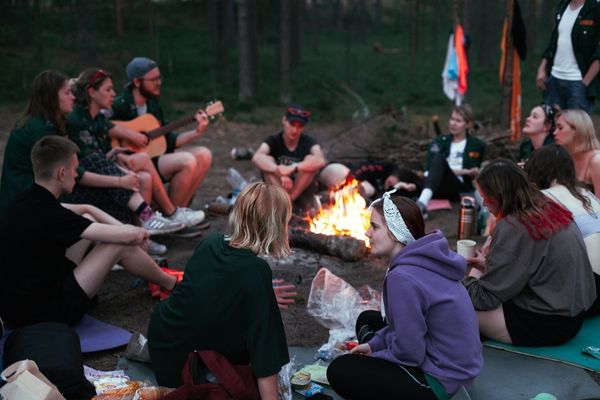
Clients participating in an evening campfire group with music, reflection, and peer connection during wilderness therapy at Legacy Outdoor Adventures.

A Safe Setting for Smoothing the Transition into Adulthood

Our facility is located in beautiful Utah, where young people spend time in nature and with peers who share similar life experiences. Early intervention and professional treatment provide the best outcomes for people struggling with SUD, failure to launch, and other issues.  

Accreditations

The State of Utah licenses Legacy Outdoor Adventures as a provider of mental health and addiction treatment and as a Residential Treatment Center (RTC). This includes accreditation from the Outdoor Behavioral Healthcare Council (OBH), as well as from other leaders in mental and behavioral healthcare.

Petree Consulting Inc

What Sets Us Apart

Our approach to treatment goes beyond traditional models by combining clinical sophistication, structured care, and measurable outcomes. At Legacy Outdoor Adventures, every aspect of the program is intentionally designed to support deep, lasting healing, not just short-term stabilization.

Adventure Therapy Integrated with Clinical Treatment

Our program combines adventure therapy three days per week with over 20 hours of structured clinical therapy. This balanced approach helps clients apply therapeutic insights in real-world settings, building resilience, confidence, and emotional regulation in ways traditional settings often cannot replicate.

Individualized, Whole-Person Treatment
Plans

Every client receives a personalized treatment plan based on a comprehensive evaluation of their mental health, substance use, trauma history, and lifestyle factors. We treat the whole person by integrating clinical care, experiential work, and personal development into one cohesive process.

Trauma-Informed, Clinically Sophisticated
Approach

All care is delivered through a trauma-informed lens, ensuring emotional safety while addressing the underlying drivers of substance use and mental health challenges. Our licensed clinicians provide advanced therapeutic interventions in a structured, supportive environment.

Structured Residential Setting With High Clinical Engagement

As a licensed residential treatment center (RTC), we provide a highly structured environment that supports consistency, accountability, and focus. Clients engage in a full weekly schedule of therapy, adventure-based experiences, and guided reflection designed to promote sustainable change.

Low Client-to-Staff Ratio and Personalized
Attention

With a limited number of clients, our team can provide focused, individualized attention. This allows for deeper therapeutic relationships, more responsive care, and a treatment experience tailored to each client’s needs and goals.

Aftercare & Long-Term Recovery
Planning

We believe in comprehensive care and, as such, work with clients for long-term recovery planning. The Summit Graduation Phase ensures clients transition from treatment with the skills and planning needed for success. This program is embedded in our 90-day program and includes referrals and resources for post-treatment support. 

How Young Men and Women Benefit from Our Failure-to-Launch Program

People in our residential program gain practical life skills, emotional regulation and resilience, career guidance, and support with the transition into independent adulthood. We ensure clients feel confident in their ability to overcome challenges, manage their mental wellness, job search, and maintain independence long-term.

Comprehensive Assessment

We use comprehensive assessments and an intake interview to determine attachment styles, distress tolerance, parenting style within the family, and other factors impacting failure to launch. Our assessments ensure we make an accurate diagnosis and provide the best support for young people struggling to develop independence. 

Individual Therapy

Individual therapy plays an integral role in the recovery process for clients with failure to launch. Our clinical team uses cognitive-behavioral therapy (CBT), dialectical behavior therapy (DBT), and other forms of therapeutic support to treat addiction and any co-occurring mental health issues, including anxiety, depression, attention-deficit/hyperactivity disorder (ADHD), and bipolar disorder (BD).

Group Therapy

Peer support and group therapy give people an opportunity to share their experiences and process underlying issues causing failure to launch. We have group therapy sessions multiple times a day, four days a week, to address different aspects of recovery. Group sessions give people a safe and nonjudgmental space to share their story, receive advice, and hear new perspectives. 
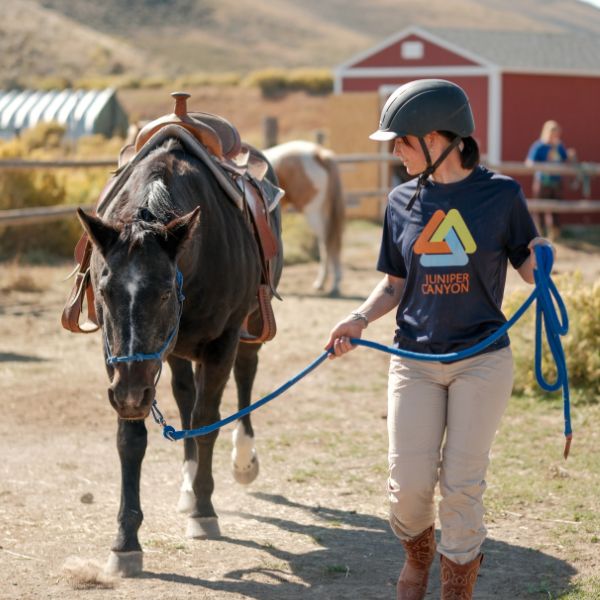
Client leading a horse across the Legacy Outdoor Adventures ranch during an equine-assisted residential addiction treatment program in Texas.

Dual Diagnosis Treatment

Having dual diagnosis involves co-occurring substance use and mental health disorders. We use an integrative approach that combines evidence-based treatment and alternative holistic therapies to address dual diagnosis. Our clinicians teach clients skills for managing stress and symptoms of co-occurring conditions during addiction recovery. Clients learn to communicate their needs effectively, create healthy routines, and build a support system. 

Adventure Therapy

Experiential therapies, including adventure therapy and other holistic modalities, reduce stress and promote self-reflection. We use adventure therapy to teach essential life skills and build confidence. Clients work together in groups to achieve a goal, such as rock climbing or hiking a specific trail. People with failure to launch learn essential skills, such as creative problem-solving, to help themselves and others overcome challenges during outdoor therapy. 

Supporting the Independent Adulthood

We prepare people for independent adulthood to reduce the risk of relapse and help them avoid falling back into maladaptive patterns of behavior. Clinicians use psychoeducation, integrative care, personalized treatment plans, family engagement, and peer support to help clients gain confidence and become more independent. 

Family Therapy & Family Involvement

We encourage family members to play an active role i. the treatment process. Failure to launch often involves complicated or maladaptive family relationships that enable dependent behaviors. Family therapy and other services we offer help families understand attachment styles, the realities of addiction and mental health disorders, and how to provide practical support to loved ones in rehabilitation. 

Aftercare for Ongoing Peer Support 

Failure to launch requires ongoing support. People with maladaptive attachment styles have a higher risk of returning to unhealthy patterns of behavior unless they have a strong support system, ongoing resources, and motivation to maintain independence. We offer regular check-ins for alumni and encourage clients to take advantage of community-based resources and peer support during aftercare. 

Life Skills Training

Many people experiencing failure to launch do not have the basic life skills they need to manage independently. Legacy Outdoor Adventures uses comprehensive therapeutic modalities to teach essential skills for maintaining sobriety and navigating everyday life. We prepare clients to take the next step in their career and education after they complete rehabilitation. 

Meet Your Care Team

Dr. Madolyn Liebing

Clinical Consultant
Ph.D. Psychologist, LMFT

Devon Nanton

Primary Counselor
SUDC

Justin Swensen

Clinical Director
LMFT
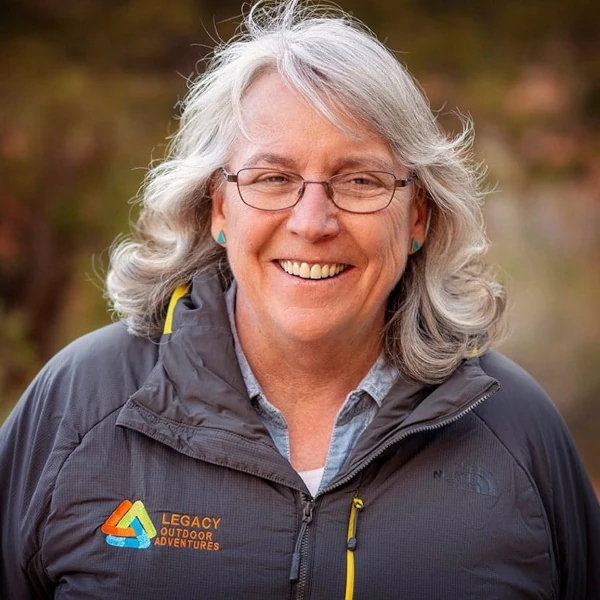
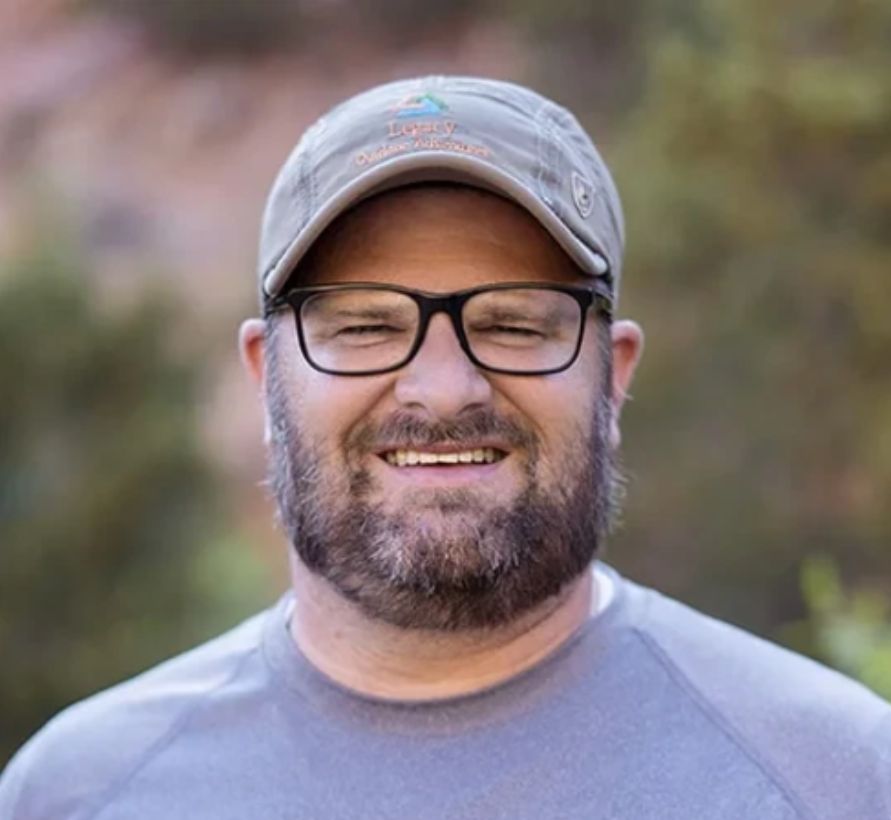
Portrait of a team member wearing a Legacy Outdoor Adventures hat, representing trauma-informed care and guidance.

Troy Faddis

Clinical Supervisor & Family Therapy Specialist
LMFT

Aspects of Treating Failure to Launch Syndrome
Failure to launch may interfere with many aspects of a person’s everyday life and ability to function. We address the issue by uncovering the root cause of these unwanted behaviors and providing healthy ways for clients to process them. Our clinical team considers all possible factors that impact recovery and community reintegration, ensuring clients have the tools they need to navigate everyday challenges without relying on loved ones. 
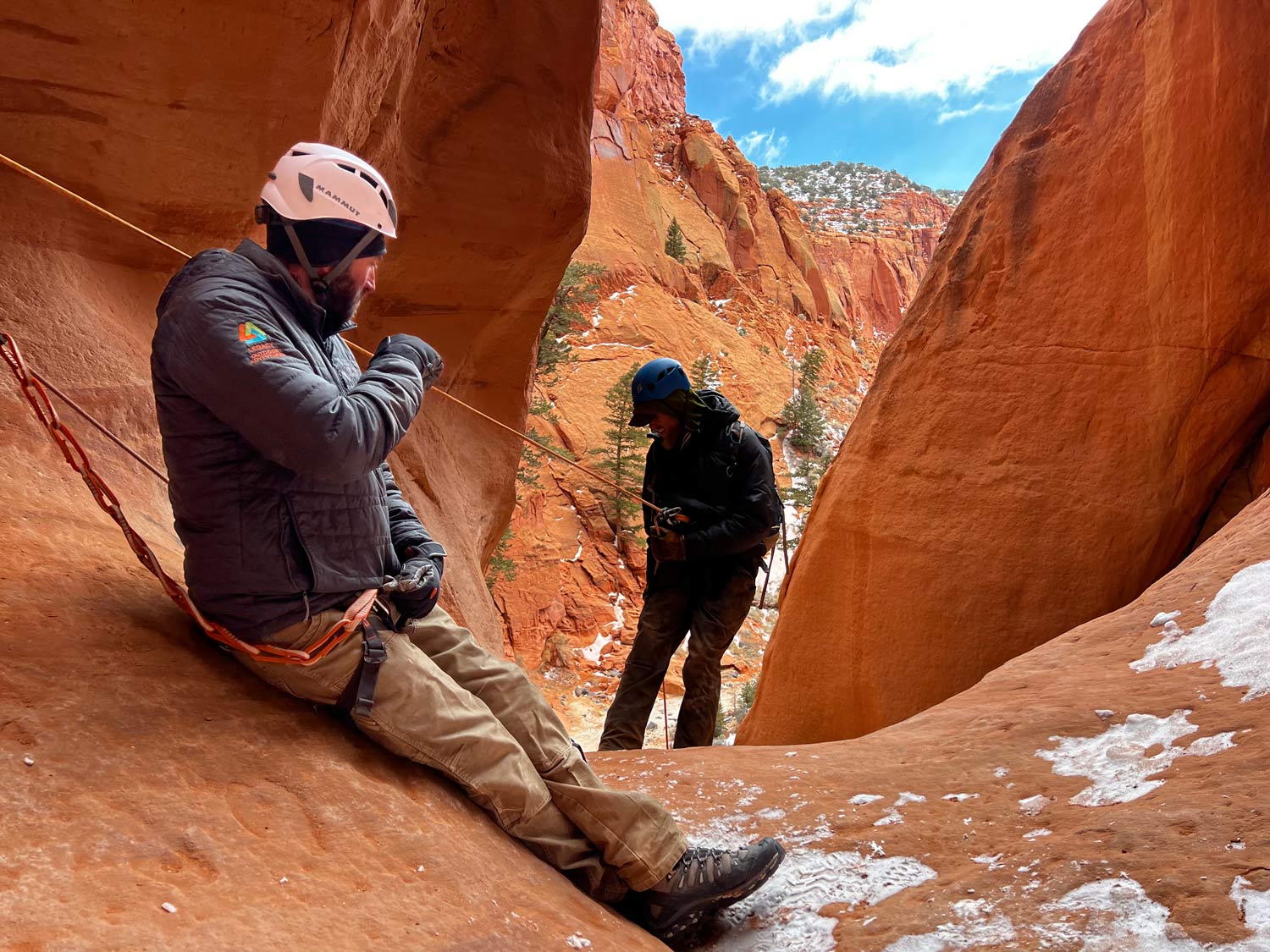
Two people in winter gear and helmets use ropes to descend through a narrow red rock slot canyon.

Structured Daily Schedule

Residential treatment gives young people a structured daily schedule that reduces stress while increasing responsibility. We give clear expectations at the start of treatment and provide ongoing support to ensure clients find healthy ways to cope with their new reality. The abrupt change from a dependent lifestyle to our residential center may increase self-awareness and help people recognize their need to learn skills for achieving independence. 

Every client has basic daily chores and responsibilities that promote accountability, resilience, and self-efficacy. Daily schedules give people time for self-reflection, mindfulness activities, and leisure between individual and group therapy sessions. We also provide nutritional meals and encourage healthy sleep hygiene to improve general wellness. 

Holistic Healing Methods

Some people respond better to alternative holistic therapies, including meditation and yoga. We incorporate personalized holistic therapy sessions into treatment plans, catering to the specific needs and personal preferences of each client. People are more likely to adhere to program guidelines and experience positive outcomes if they feel comfortable and learn to successfully manage stress. Holistic therapies have been proven to significantly reduce stress and improve mood. 

Adventure therapy is a cornerstone of our programs. Although it has been clinically shown to provide many physical and emotional benefits, outdoor therapy remains an alternative treatment used to enhance traditional psychotherapy. We match clients with activities that meet their skill levels, physical abilities, and interests. 

Client leading a saddled horse across the Legacy Outdoor Adventures campus as part of an outdoor-based residential addiction treatment program in Texas.
Individuals ride mountain bikes on a desert trail, demonstrating skill building and nature-based healing.

Evidence-Based Modalities

Our evidence-based modalities include psychotherapy, psychiatric support, MAT, and family therapy. We use CBT, DBT, motivational interviewing (MI), and other clinical approaches to help people process, develop skills, and build a foundation for a sober future. Our clinicians use innovative treatments proven to successfully treat addiction and mental health disorders. 

People who struggle with failure to launch often benefit from continuing individual therapy during aftercare and ongoing recovery to increase accountability, support, and motivation to remain independent. We provide alumni support, aftercare planning, and referrals to outpatient programs that provide ongoing therapeutic services. 

Ready for an adventure in healing?Discover our unique wilderness therapy programs.

Help Your Adult Child Face A Lack of Motivation

Parents of people struggling with failure to launch may feel overwhelmed or unsure of how to help their adult children take the necessary steps to become independent. We can help parents and their children develop healthier relationships that discourage dependent or codependent behaviors. Clinicians use psychoeducation and family therapy to help parents fully understand their child’s condition and how to best support them. 

Parents often play a vital role in ensuring their adult children do not relapse or fall back into maladaptive patterns of behavior. We offer guidance and referrals to resources for parents to ensure they have the tools to provide practical support for their loved ones. 
Two women sit and talk in a sunlit field, illustrating peer support and connection in therapy.
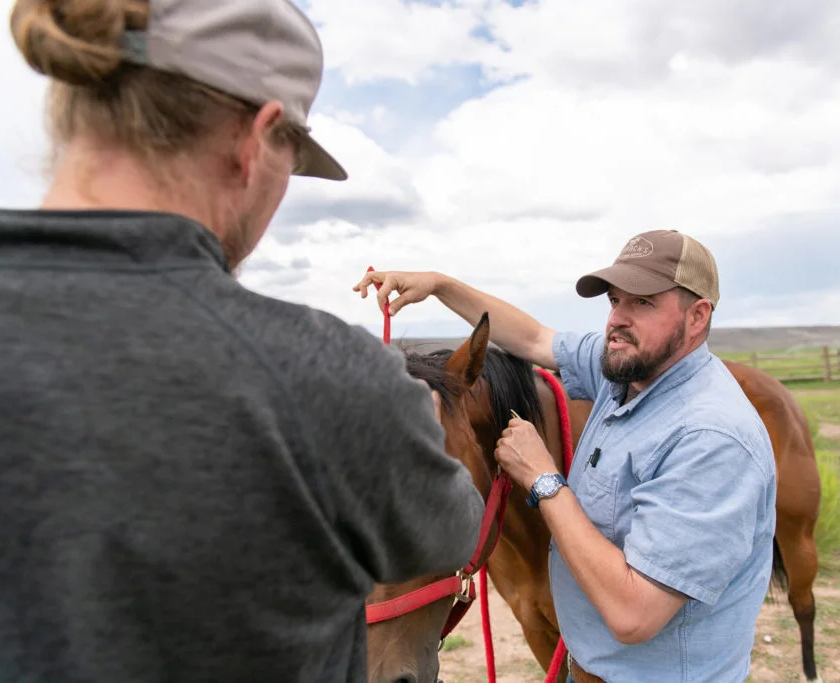
An individual adjusts a red lead on a brown horse, symbolizing trauma-informed care and animal-assisted support.

Is Our Residential Program Right For You?

If you experience failure to launch, SUD, or mental health disorders, then our residential program may be right for you. We help people in rehab who struggle with budgeting, time management, and financial independence. Our clinical team treats SUD and dual diagnosis while preparing clients for lasting independence through practical support.
 
We have the resources and experience to help if you or someone you love needs assistance achieving independence and recovering from SUD.  Our programs give people the confidence to take back control of their lives and take the next steps toward a healthier future. 

FAQs

Insurance plans may completely or partially cover outpatient and residential treatment. Every insurance provider has different eligibility criteria and coverage policies. We can help clients determine what forms of treatment their insurance may cover and if they meet eligibility requirements. Contact our office today to learn more. 

Our residential treatment program generally lasts 90 days; however, we tailor our treatment plans to the unique needs of each client, allowing us to extend lengths of stay as needed to provide additional support to clients who may need more help addressing their addiction, mental health issues, or failure to launch. We monitor progress and suggest changes to treatment plans, including extending or shortening length of stay, to meet the evolving needs of each client. Most people participate in our 90-day residential program before stepping down to outpatient treatment or other levels of care. 

No. Legacy Outdoor Adventures does not provide on-site detox treatment. Our team does facilitate detox treatment by providing referrals to local medical detox programs. 

Case managers ensure a smooth transition from detox to our residential program. We can provide short-term medication-assisted treatment (MAT) and other support services to help clients experiencing lingering withdrawal symptoms or side effects. In instances of relapse during treatment, clients must go back through the detox process to ensure their safety and health before continuing treatment at our facility.