

Find Balance with Dialectical Behavior Therapy in Utah
Rehabilitation programs help young adults build emotional resilience, self-awareness, and a life worth living. Dialectical behavior therapy helps clients develop healthier thought patterns and behaviors. According to Addiction Science and Clinical Practice, “DBT for Substance Abusers [. . .] incorporates concepts and modalities designed to promote abstinence and to reduce the length and adverse impact of relapses.”
DBT for SUD helps clients do the following:
- Develop essential skills for maintaining sobriety
- Set clear boundaries
- Accept the need for change
- Develop strategies for making healing lifestyle changes
- Regulate emotions more effectively
- Increase distress tolerance to reduce the effects of cravings
- Learn mindfulness to improve self-awareness
Most people respond well to a combination of therapeutic approaches. The experts at Legacy Outdoor Adventure tailor care plans to each person’s unique needs and circumstances.
What Is Dialectical Behavior Therapy?
Dialectical behavior therapy is a form of psychotherapy used to address complicated emotions and help people build a healthier life through skill development and talk therapy. DBT was initially designed to treat borderline personality disorder (BPD). However, the techniques and skills taught in DBT sessions can treat a wide range of mental health issues. Studies have shown that DBT “is a multicomponent psychosocial intervention based on a model which views dysfunctional behavior as either a consequence of dysregulated emotions or a maladaptive approach to emotion regulation.”
Generally, people can expect to do the following during DBT sessions:
- Check-ins to monitor weekly mood levels and emotional stability
- Reviewing weekly events or reactions to situations
- Identifying and analyzing triggers
- Problem-solving to effectively manage triggers
- Practicing essential recovery skills
- Finding positive ways to increase motivation
DBT gives clients the tools they need to develop practical strategies for managing addiction and mental health disorders.
The Purpose of DBT
Therapy sessions provide clients with a safe space to express themselves, gain insight, and learn how to effectively manage their condition. The primary goals of DBT include reducing self-harm or self-destructive behaviors and improving quality of life. Individuals recovering from substance abuse enhance their emotional well-being by learning to regulate emotions and thoughts using healthy coping skills. Clinicians use DBT therapy to prepare clients for long-term recovery.
How DBT Differs From Traditional CBT
CBT and DBT share similar origins and are both forms of talk therapy. Therapy sessions for both modalities generally involve targeted discussions, sharing personal experiences, skills education, and therapeutic exercises meant to achieve specific recovery goals.
The primary differences between cognitive-behavioral therapy (CBT) and DBT include:
- DBT focuses on acceptance and commitment to change
- CBT focuses on identifying and replacing negative thought patterns or behaviors
- DBT uses mindfulness, distress tolerance, and emotional regulation to help people heal
- CBT uses cognitive restructuring to change how people think about recovery
Some people may benefit from a combination of both modalities. Complex cases with multiple co-occurring disorders may require additional evidence-based and holistic therapies to address all active conditions.


Core Pillars of DBT: Acceptance and Change
DBT can significantly enhance people’s emotional stability and mental health as they navigate the challenges of daily life.
The core pillars of DBT therapy include:
- Effective interpersonal communication
- Mindfulness
- ADHD
- Distress tolerance and stress management
- Emotion and mood regulation
DBT gives clients the tools to accept their current circumstances while encouraging healthy lifestyle changes.
A Trauma-Informed, Evidence-Based Therapy Model
Trauma often contributes to the development of substance use or mental health disorders. Individuals with a history of trauma can benefit from DBT and other evidence-based therapies. The clinical team has trauma training to ensure they provide effective and appropriate care to clients with SUD or dual diagnosis. Legacy Outdoor Adventure uses DBT alongside other trauma-informed treatments to help clients heal.

What Makes Our DBT Program in Utah Unique
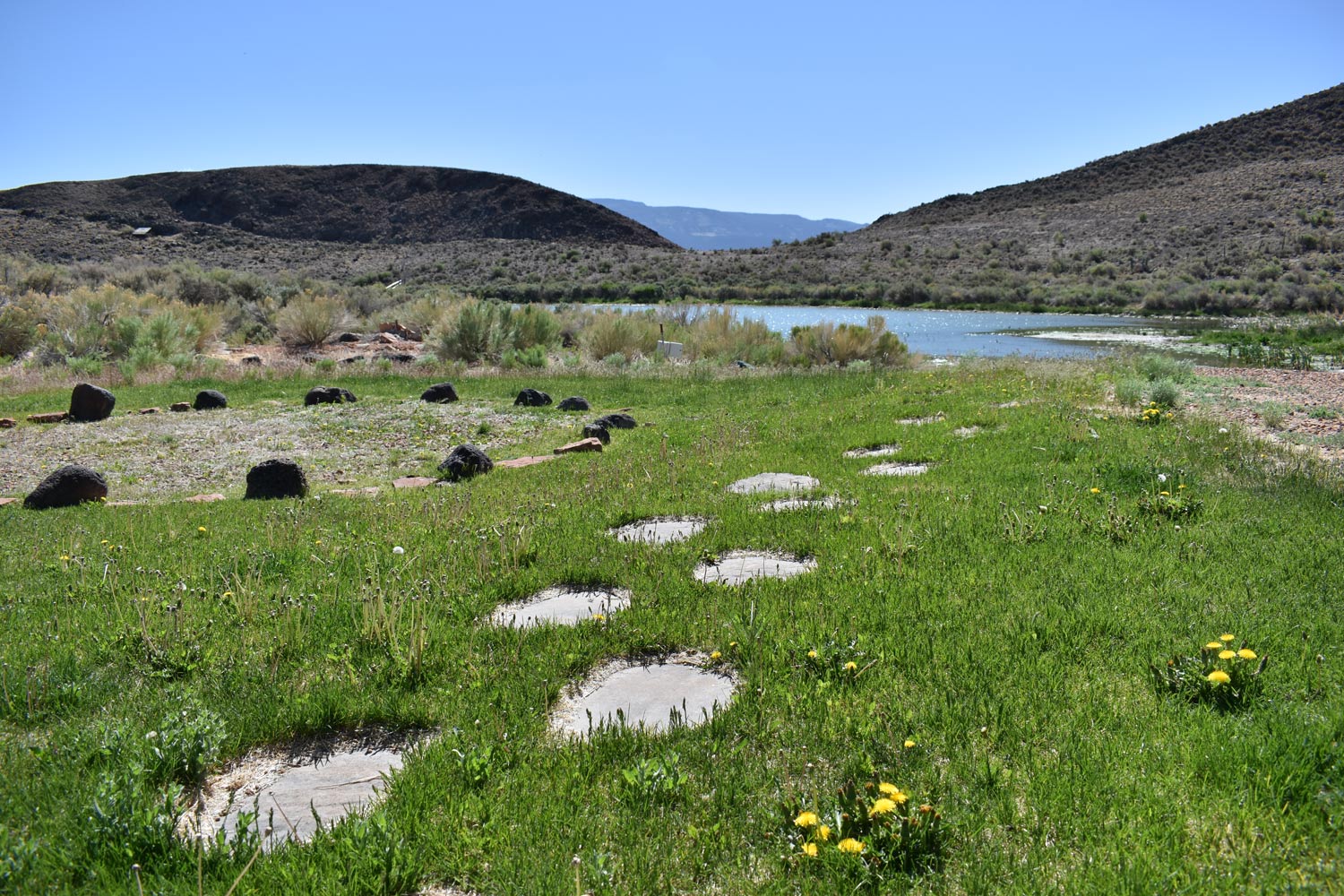
Legacy Outdoor Adventures is located near Salt Lake City, Utah, and offers comprehensive treatment for SUD and mental health disorders. Programs focus on incorporating outdoor experiential therapy with other modalities to address symptoms and underlying issues, and prepare clients for lasting recovery. The clinical team utilizes DBT to help individuals develop essential skills and cultivate a more positive perspective.
According to the National Institute on Drug Abuse (NIDA), “Behavioral therapies help people in drug addiction treatment modify their attitudes and behaviors related to drug use.” In addition, “Behavioral therapies can also enhance the effectiveness of medications and help people remain in treatment longer.”
Structure and Safety in a Licensed Residential Treatment Center
The licensed clinicians at Legacy Outdoor Adventures have decades of combined experience providing safe and successful treatment for substance use disorder. The structured environment and expert care ensure individuals with SUD receive the best care to support lasting recovery. Every program offers weekly individual therapy and skills training sessions to promote healing and personal growth.
Our DBT Skills Training: Practical Tools for Everyday Life
The primary tools DBT teaches clients include the following:
- Emotion Regulation: Provides clients with a greater understanding of their condition, allowing them to manage intense emotions through strategies designed to increase emotional stability
- Distress Tolerance: Builds resilience in moments of crisis by reducing impulsive or self-harming behavior
- Interpersonal Effectiveness: Improves communication and boundary setting by enhancing relationships with loved ones
- Mindfulness and Self-Awareness: Strengthens non-judgmental awareness by helping clients reconnect to the present moment

Legacy Outdoor Adventures utilizes DBT in conjunction with wilderness therapy and other experiential therapies, providing clients with real-world situations where they can apply the skills they learn in individual or group therapy.

Inside Our DBT Program in Utah
Legacy Outdoor Adventures offers clinically sophisticated care, incorporating integrated outdoor therapy. Daily DBT practice in real-life, experiential settings where adventure therapy meets evidence-based treatment. The individualized care plans yield measurable positive outcomes, preparing clients for long-term sobriety.
Group Therapy and Peer Support
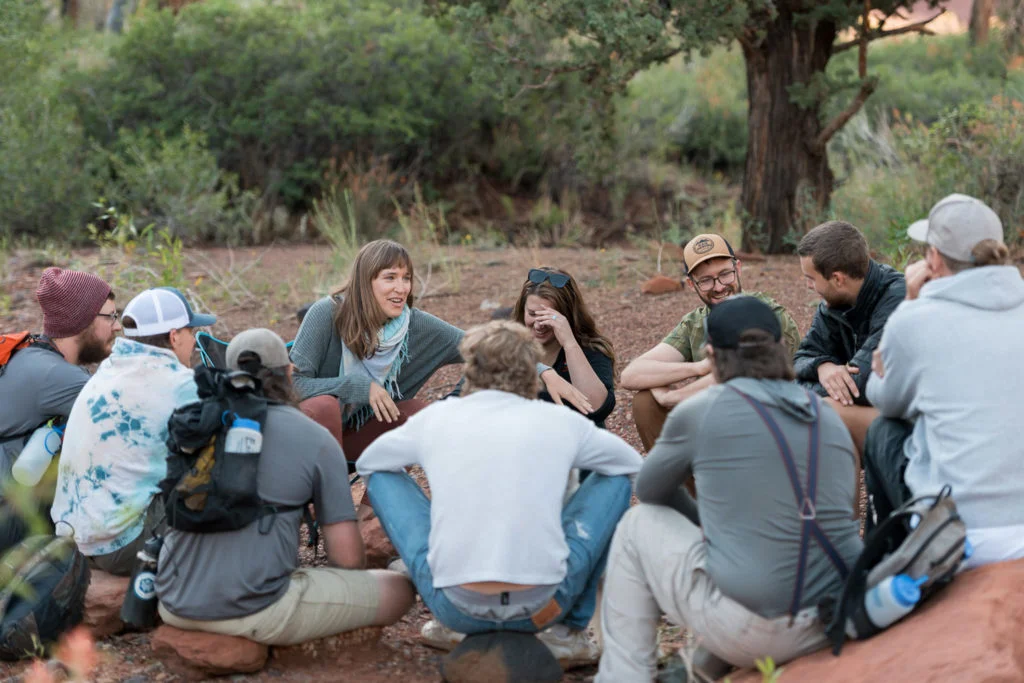
Clinicians use DBT and other evidence-based modalities in skills groups that build connection and confidence. Peer support offers essential accountability, valuable insights, and opportunities to practice effective coping strategies and other vital skills.
Community support and mental health recovery services offer clients many valuable benefits, including:
- Reduced isolation and loneliness
- Enhanced social connections
- Improved mental health
- Practical resource sharing
- Promote self-advocacy
- Combats stigmas and misinformation
Group therapy offers critical social engagement and support. According to Alcohol Treatment Quarterly, “Social support is frequently noted as an important factor in recovery from alcohol and drug use.” DBT group therapy and other forms of community support also promote resilience and improve quality of life. Many people continue to attend group therapy or community-based self-help groups like Alcoholics Anonymous (AA) after completing treatment.
One-on-One Support
Legacy Outdoor Adventures prioritizes individualized care by providing weekly sessions with a licensed DBT therapist. Individual therapy sessions enable clients to work closely with clinicians to establish targeted goals that address their specific needs.
The one-on-one support provides clients with the space to explore various aspects of recovery and manage everyday stressors. Many clients use DBT sessions to learn how to accept the areas of their lives they cannot change while encouraging behavioral and lifestyle changes to improve mental health. DBT and other forms of psychotherapy give clients the tools to overcome challenges in rehabilitation and continuing care.
Additional Modalities That Support DBT at Legacy Outdoor Adventures
Some of the therapeutic modalities used alongside DBT at Legacy Outdoor Adventures include:
- Eye movement desensitization and reprocessing (EMDR) for trauma and post-traumatic stress disorder (PTSD)
- Acceptance and commitment therapy (ACT)
- Cognitive-behavioral therapy (CBT) integration
- Family therapy for systemic healing
- Medication management when necessary
DBT therapists may introduce some of the principles or techniques from other modalities to help clients make progress in their recovery.

Why Choose Legacy Outdoor Adventures for DBT in Utah?
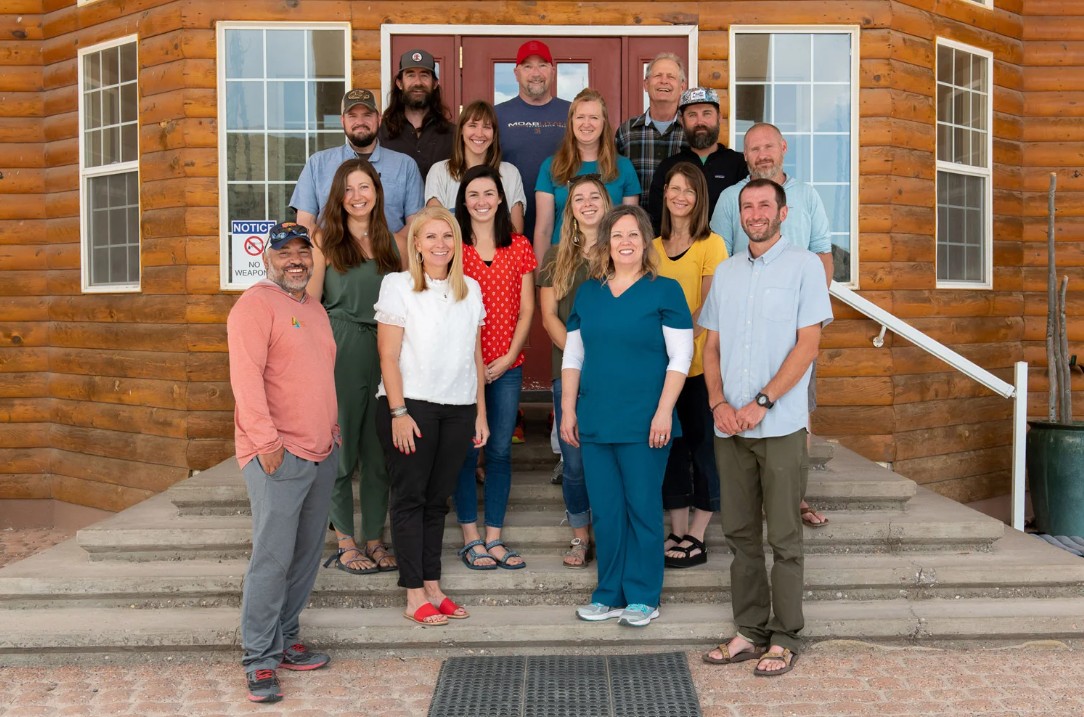
The experts at Legacy Outdoor Adventures understand the importance of a balanced, integrative approach to rehabilitation. Clients benefit from receiving tailored support services that address their specific needs and circumstances. Clinicians treat SUD and co-occurring conditions using DBT or other evidence-based therapeutic modalities. Addressing mental health disorders simultaneously sets the treatment programs apart from other rehab facilities.
DBT treats the following co-occurring or underlying mental health issues:
- Eating disorders (EDs)
- Emotion dysregulation
- Post-traumatic stress disorder
- Attention-deficit/hyperactivity disorder (ADHD)
- Mood disorders
- Low self-esteem or self-confidence
DBT gives clients insights into their condition and offers a healthy path forward. Clients work closely with their therapist and other members of the care team to develop aftercare planning, relapse prevention strategies, and other tools for long-term recovery. The serene setting and beautiful natural landscape create a relaxing environment where clients can focus on healing from the effects of chronic substance abuse.

A Licensed Residential Treatment Center With Proven Results
The compassionate professionals at Legacy Outdoor Adventures utilize outcome-informed, evidence-based programming, featuring a high staff-to-client ratio and individualized progress monitoring. The licensed residential treatment center uses proven techniques and complementary medicine to support skill development for lasting change. According to the Department of Veterans Affairs (VA), “Complementary and alternative medicine (CAM) practices can improve chances of recovery from substance use disorders (SUDs), especially when used in addition to traditional SUD treatments and mutual self-help groups.”
Every client receives 21 hours of clinical therapy and 3 days of adventure therapy each week. DBT therapies may be used during multiple clinical sessions throughout the week or introduced on an as-needed basis to address specific challenges faced by clients during early recovery.
A Healing Environment for Young Adults
Legacy Outdoor Adventures uses a trauma-informed, non-judgmental, and strength-based approach to treatment. The natural setting increases the effectiveness of therapy and other support services. Clinicians utilize outdoor therapy and traditional medicines to provide care that is grounded in clinical excellence. The tailored programs are designed for capable, driven individuals seeking genuine transformation.

Frequently Asked Questions
Below are some commonly asked questions about our rehabilitation programs and DBT therapy.
What if I’ve tried therapy before, and it didn’t work?
What if my loved one is resistant to help?
How long does the program last?
What is a typical day like in your DBT program?
Mental health directly impacts physical health and a person’s ability to maintain sobriety. Legacy Outdoor Adventures uses DBT and other therapeutic modalities to treat addiction and mental health disorders. To learn more, call us today at (435) 836-2272.
