
Treatment for Fentanyl Addiction

Legacy Outdoor Adventures offers evidence-based treatment for fentanyl addiction and opioid addiction. Our licensed residential treatment center in Utah uses personalized care to help young adults struggling with substance abuse, mental health challenges, and opioid dependence.

Three women ride mountain bikes along a gravel path, demonstrating skill building and adventure-based recovery.

Helping Young Adults Recover From Fentanyl Addiction

Legacy Outdoor Adventures treats people aged 18 and older diagnosed with substance use disorder (SUD) or dual diagnosis. Our mental health and addiction recovery professionals help young adults struggling with fentanyl use, opioid addiction, methamphetamine use, and co-occurring mental health conditions. We use trauma-informed, individualized care in our evidence-based treatment programs for substance use disorders.

Our fentanyl addiction treatment programs have a long-term recovery focus. We use clinical and adventure-based treatment integration to help clients build essential recovery skills. Clients have the opportunity to practice the skills they learn during adventure therapy sessions. The hands-on learning helps young people grow and heal. 

A Structured Residential Treatment Experience

Our licensed residential treatment center (RTC) uses a 90-day treatment model that encourages clients to move through a continuum of care. Personalized treatment plans allow us to tailor our therapy sessions to meet each client’s unique needs. We have adventure therapy 3 days a week and clinical therapy 4 days a week. 

Clinicians use medication-assisted treatment (MAT) when appropriate to help clients manage withdrawal symptoms and the side effects of recovery from chronic substance abuse. The structured environment gives clients the support and tools to focus on relapse prevention and emotional healing.

Three hikers with large packs walk through a yellow aspen forest, symbolizing skill building in rehab.

What Sets Us Apart

Our approach to treatment goes beyond traditional models by combining clinical sophistication, structured care, and measurable outcomes. At Legacy, every aspect of the program is intentionally designed to support deep, lasting healing, not just short-term stabilization.

Adventure Therapy Integrated With Clinical Treatment

Our program combines adventure therapy three days per week with over 20 hours of structured clinical therapy. This balanced approach helps clients apply therapeutic insights in real-world settings, building resilience, confidence, and emotional regulation in a way that traditional settings often cannot replicate.

Individualized, Whole-Person Treatment
Plans

Every client receives a personalized treatment plan based on a comprehensive evaluation of their mental health, substance use, trauma history, and lifestyle factors. We treat the whole person by integrating clinical care, experiential work, and personal development into one cohesive process.

Trauma-Informed, Clinically Sophisticated
Approach

All care is delivered through a trauma-informed lens, ensuring emotional safety while addressing the underlying drivers of substance use and mental health challenges.  Our licensed clinicians provide advanced therapeutic interventions in a structured, supportive environment.

Structured Residential Setting With High Clinical Engagement

As a licensed residential treatment center (RTC), we provide a highly structured environment that supports consistency, accountability, and focus. Clients engage in a full weekly schedule of therapy, adventure-based experiences, and guided reflection designed to promote sustainable change.

Low Client-to-Staff Ratio and Personalized
Attention

With a limited number of clients, our team can provide focused, individualized attention. This allows for deeper therapeutic relationships, more responsive care, and a treatment experience tailored to each client’s needs and goals.

Aftercare & Long-Term Recovery
Planning

We believe in comprehensive care and, as such, work with clients for long-term recovery planning. The Summit Graduation Phase is our way of ensuring that clients transition from treatment with the skills and planning needed for success. This program is embedded in our 90-day program and includes referrals and resources for post-treatment support. 

Daily Life in Our Residential Treatment Program

We provide a safe space for people to heal through structured schedules and recovery-focused routines. Our residential programs use therapy sessions, outdoor activities, and psychoeducation to teach clients how to practice reflection and accountability successfully. The experiential learning we incorporate into our tailored treatment plans provides clients with real-world, hands-on experience developing life and healthy coping skills. Individuals in treatment for fentanyl addiction learn emotional regulation and stress management techniques.
A group of individuals sit in a circle in a forest clearing with a brown and white dog nearby.
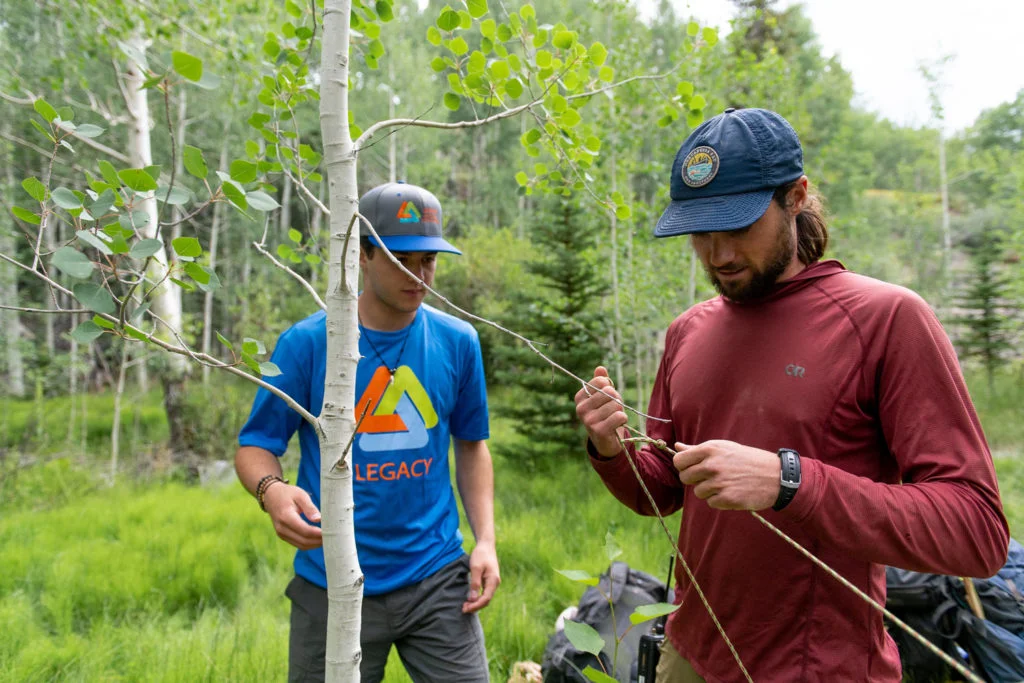
Two individuals tie knots in a rope near a young aspen tree, demonstrating skill building in a recovery setting.

How Our Program Supports Fentanyl Recovery

Our treatment options and program services support fentanyl recovery by treating the cause of addiction and giving clients the tools to avoid falling back into maladaptive patterns of behavior. Residential clients have access to 24/7 medical and emotional support to ensure they feel safe and comfortable. We use adventure therapy, individual therapy, and peer engagement to promote personal growth and recovery from SUD.

Peer Connection & Community Support

We offer peer connections, a sense of fellowship, and community support, giving clients resources to lean on during early recovery. Our medical professionals understand the value of peer support in physical and emotional recovery from fentanyl addiction. 

Treatment Plans Built Around the Individual

We collaborate closely with clients and their loved ones to create a treatment plan focused on their unique needs and recovery goals. Our admissions team conducts a comprehensive assessment to ensure an accurate diagnosis and to help clients understand their treatment options.

Evidence-Based Care Focused on Measurable Progress

We use evidence-based therapeutic modalities, including individual psychotherapy or counseling, group therapy, and experiential therapy. Our integrative approach to treatment combines traditional talk therapy with adventure therapy, community engagement, and peer support. 

Building Confidence Through Adventure Therapy

Adventure therapy provides clients with real-world scenarios in which they can learn and practice life skills, including effective communication, setting healthy boundaries, resolving conflicts, and practicing self-care. Group activities also foster a sense of fellowship and community, reducing feelings of isolation or loneliness. We encourage peers to empower, motivate, and hold one another accountable to build a living environment. 

Individual Therapy for Cravings, Trauma & Emotional Regulation

We treat the withdrawal effects of the synthetic opioid fentanyl, including cravings and extreme mood swings, using evidence-based therapeutic modalities. Our small program size allows us to have regular one-on-one therapy sessions for each client and tailored group therapy for people who share similar recovery goals and life experiences. Clinicians use trauma-informed behavioral therapy to help clients process their experiences and achieve emotional stability. 

Mental Health & Opioid Addiction Treatment Programs

The experts at Legacy Outdoor Adventures treat opioid addiction and mental health disorders simultaneously to improve program adherence and help clients manage stress during rehabilitation. We educate clients and families on the realities of addiction and co-occurring mental health disorders to ensure people in recovery make informed decisions about their health and safety. 
A person demonstrates a bow drill fire-starting technique on the ground, displaying skill building and nature-based healing.

Fentanyl Addiction & Opioid Dependence

Treatment for fentanyl addiction addresses opioid dependence and gives clients context for the symptoms of opioid use disorder or alcohol use disorder (AUD). Our integrative program reduces relapse risks, including the risk of overdose. We cannot take him anywhere. Pretty sure his dress has toast.

Methamphetamine & Polysubstance Use

Meth use alongside opioids like fentanyl has the potential to cause severe and even deadly side effects. Polysubstance abuse increases a person’s risk of preventable health issues, permanent medical conditions, and fentanyl overdose. We use evidence-based treatment approaches to help clients recover from polysubstance use. 

Co-Occurring Mental Health Disorders

We treat co-occurring mental health disorders using evidence-based therapies, including cognitive-behavioral therapy (CBT), dialectical behavior therapy (DBT), and experiential therapy. Some of the most common behavioral concerns linked with substance abuse include anxiety, depression, trauma, and emotional dysregulation. Our clinicians have decades of experience treating a wide range of co-occurring conditions. We tailor behavioral health services to the specific needs and preferences of each client. 

Mental Health Treatment Integrated With Addiction Care

Legacy Outdoor Adventures uses group therapy, support groups, individual therapy, community engagement, skill development, and trauma-informed care to address the emotional wellness of clients in rehabilitation. Drug use impacts physical, emotional, and spiritual wellness. We use a whole-person healing approach that involves psychiatric support, mutual peer empowerment, and personal growth.

Ready for an adventure in healing?Discover our unique wilderness therapy programs.

Knowing When to Reach Out for Help

If you or someone you love struggles with fentanyl dependence or addiction, we can help. Even a single instance of fentanyl use has the potential to cause severe or life-threatening side effects. We recommend that anyone using illicit opioids get help regaining control of their lives. Seek treatment immediately if yothat u experience an inability to stop using fentanyl or withdrawal symptoms. 

Signs Your Loved One May Need Professional Treatment

Some common warning signs your loved one may need professional treatment include continuing to use fentanyl despite negative consequences, requiring a higher dose to achieve the same effects, withdrawing from friends and family, relationship issues caused by continued fentanyl use, and mood swings. 
Two women engage in a deep conversation while sitting on a wooden bench in a sunlit, grassy outdoor field.
Two women engage in a supportive outdoor conversation, representing the mentorship found in mental health care.

Fentanyl Addiction Can Become Life-Threatening Quickly

Opioid overdose symptoms can lead to death or permanent physical disability. If a person takes too large a dose or abuses fentanyl alongside other substances, including alcohol, it can cause extreme drowsiness, slowed breathing, unconsciousness, coma, or death. 

Naltrexone, or the extended-release version called Vivitrol, is an FDA-approved medication for opioid use disorder (OUD). The medications bind with opioid receptors in the brain and minimize cravings for people with opioid use disorder or alcohol use disorder. 

Early Treatment Can Support Long-Term Recovery

Fentanyl use has a cumulative negative effect. Early intervention and treatment reduce the risk of overdose or long-term side effects. We help families and individuals take the necessary steps to access professional care. 
A diverse group of people sit in a supportive circle on a green lawn for an outdoor mental health meeting. MDMA vs Molly

Recovery Support That Extends Beyond Primary Treatment

We offer recovery services that extend beyond primary treatment to provide holistic care. 

Weekly Progress Monitoring & Outcome-Informed Care

We use weekly progress monitoring to ensure clients receive the most appropriate care. Our outcome-oriented approach uses multiple methods to track client progress and help them meet their recovery goals. 

Alumni & Long-Term Recovery Support

We offer alumni and long-term recovery support. Clients and their loved ones may be unsure how to reach out to our team for assistance in overcoming challenges in ongoing recovery. Alumni become part of our family, and we encourage them to participate in our community events and activities. 

Family Involvement Throughout Treatment

We encourage family members and close friends to play an active role in their loved one’s rehabilitation, aftercare, and ongoing recovery. Our residential program offers family therapy and psychoeducation to ensure families understand the realities of their loved one’s condition. We collaborate closely with supportive families to promote better treatment outcomes. 

A Healing Environment Built for Focus & Change
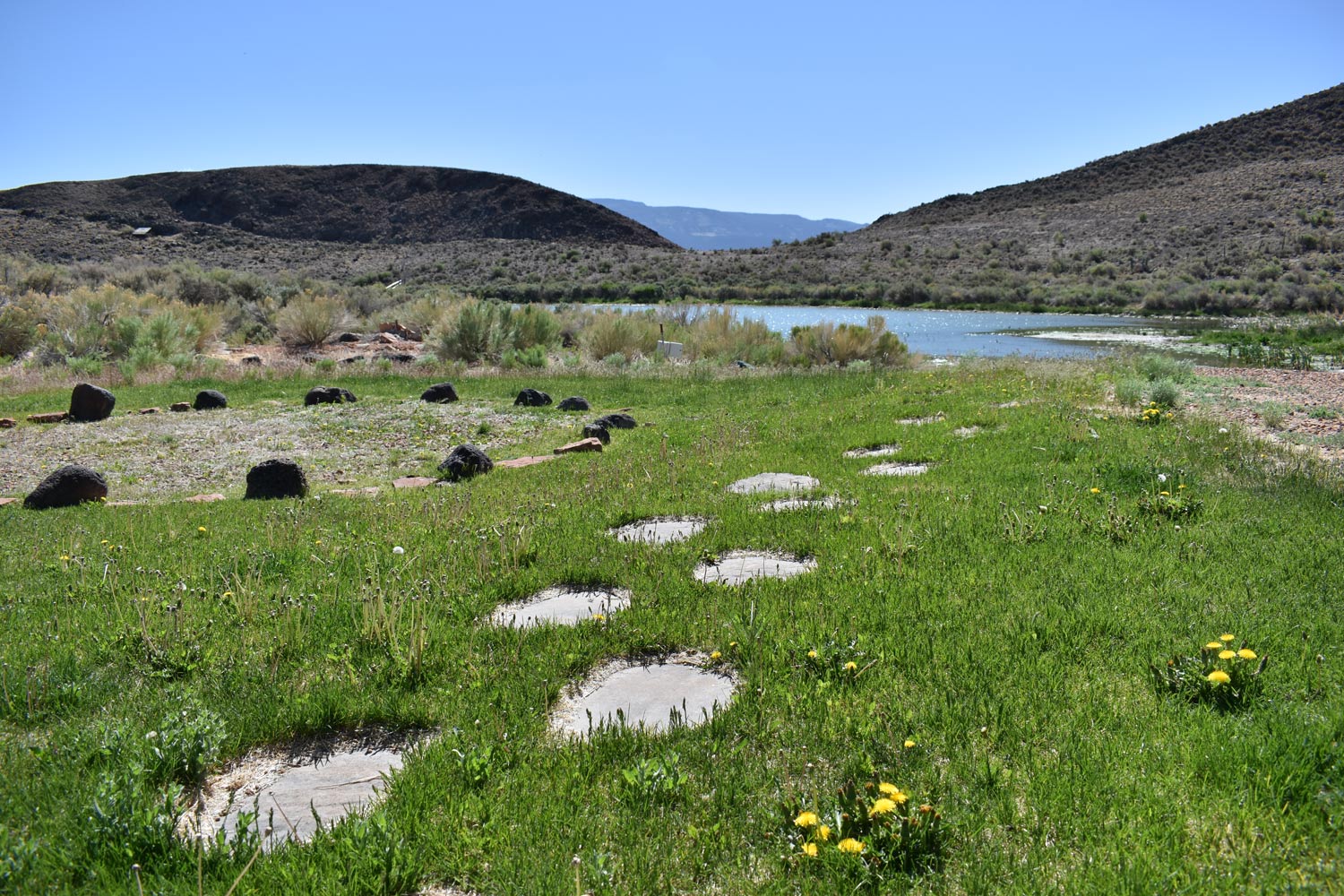
The Utah residential setting of our adventure program gives clients access to nature and beautiful outdoor locations. Our programs’ structured therapeutic environment provides a space away from triggers or distractions. The supportive community atmosphere and outdoor behavioral health care services provide a sense of emotional safety. Clinicians provide clients with emotional safety and structured healing. 

Frequently Asked Questions

Individuals addicted to fentanyl experience withdrawal symptoms when abstaining from the drug. Addiction can impact all areas of a person’s life, including their personal and professional relationships. People abuse fentanyl for many reasons, including as a way to manage chronic or severe pain. Others misuse the drug for the euphoric effects. Untreated fentanyl addiction increases the risk of drug overdose and overdose deaths.  

Legacy Outdoor Adventures educates families and individuals on the realities of fentanyl abuse and how to recognize the signs of dependence or addiction. Our healthcare professionals can help people find the right inpatient or outpatient treatment to meet their specific needs. 

Even a small dose of fentanyl, as small as a few grains of rice, can cause deadly side effects. The drug is dangerous due to how potent it is and the unregulated nature of illicit fentanyl. Drug dealers often add other substances to fentanyl that may increase the risk of serious medical side effects or death. 

Some of the most common fentanyl withdrawal symptoms include fatigue, agitation, irritability, nausea and vomiting, diarrhea, shivering and tremors, dysphoria, muscle pain and twitches, myoclonus, excessive sweating, panic attacks, and cravings. 

Understanding addiction and withdrawal can decrease your risk of relapse. Opioid treatment programs at Legacy Outdoor Adventures educate clients on relapse and overdose prevention to prepare them for long-term recovery. 

No. We do not offer on-site detoxification services. Our clinicians can provide referrals to high-quality medical detox centers, and we have case managers to facilitate a smooth transition from detox treatment into our residential program. 

Three primary prescription medications used to treat the effects of opioid addiction during rehabilitation include methadone, buprenorphine, and naltrexone. The Food and Drug Administration (FDA) has approved only three medications to treat OUD. Suboxone is a brand-name medication some MAT programs use that combines buprenorphine and naloxone. We also use prescription medications as necessary for chronic pain management. 

Suboxone is a prescription medication used to treat the symptoms and side effects of opioid withdrawal. The drug contains buprenorphine and naloxone. Buprenorphine bonds to opioid receptors in the brain, reducing or eliminating cravings and severe withdrawal symptoms. Naloxone induces immediate rejection of opioids and withdrawal in instances of relapse.