

Understanding Wilderness Therapy
What Is Wilderness Therapy?
Wilderness therapy is a type of experiential therapy that uses outdoor activities to teach basic life skills and build confidence.
Legacy Outdoor Adventures uses wilderness therapy to enhance the effectiveness of individual and group counseling in our treatment programs.
What Is the Point of Wilderness Therapy?
Adventure or wilderness therapy offers an alternative way to more traditional recovery programs.
Some people do not succeed at lasting sobriety with cookie-cutter rehab programs. We combine evidence-based treatment, such as psychiatric support and psychotherapy, with wilderness therapy to provide a whole-person approach to care.
Is Wilderness Therapy Legal?
Yes. Wilderness therapy is a legal and popular treatment option for young people with substance use disorder (SUD), trauma, and mental health disorders.
Outdoor therapy is a legitimate and legal form of treatment. We use wilderness and adventure entire therapy to provide addiction, behavioral health, and mental health treatment.
How Is Wilderness Therapy Different From Adventure Therapy?
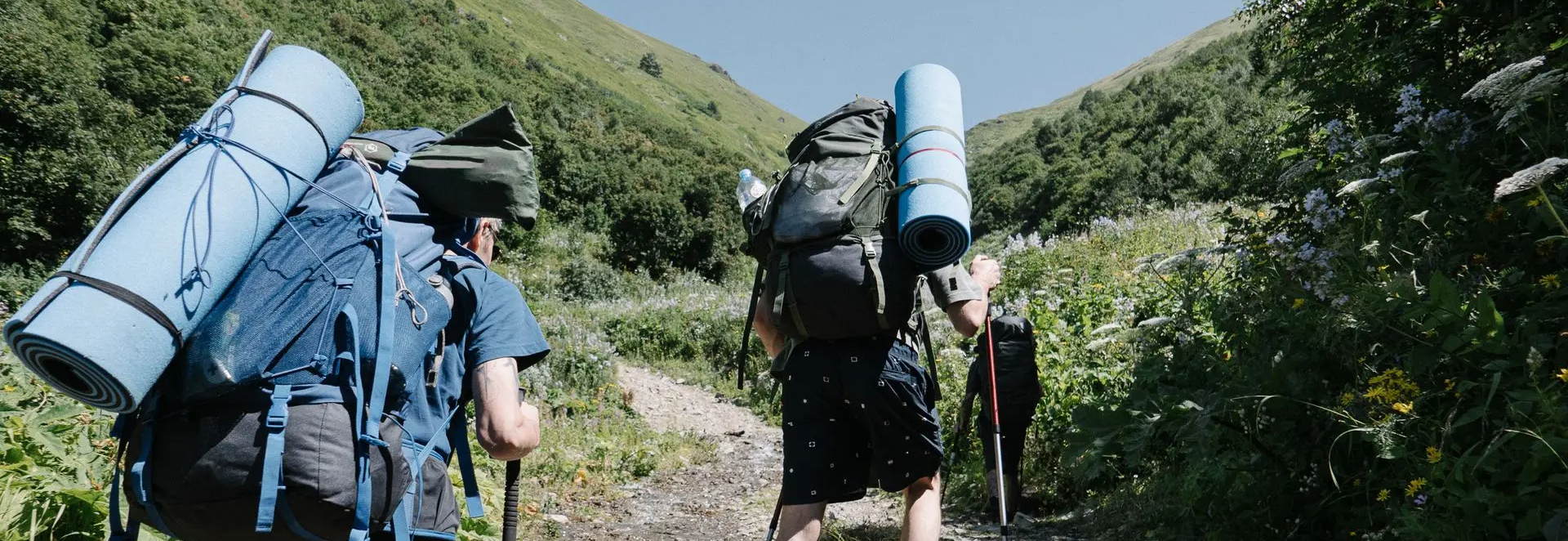
Wilderness therapy generally involves spending a longer period camping out in nature. In contrast, adventure therapy usually takes place over the course of a few hours and involves a single outdoor activity, such as hiking or rock climbing.
Adventure and wilderness therapy are often used interchangeably because of their similarities. However, people engaging in wilderness therapy usually camp outdoors for one or more nights rather than returning home as they would after an adventure therapy activity.
How Wilderness Therapy Programs Work
What Happens During Wilderness Therapy Programs?
Our programs use both wilderness and adventure therapy to provide clients with controlled settings in which they can learn and grow.
Clients participate in group, individual, and family therapy for part of the week and spend part of the week outdoors engaging in adventure or wilderness therapy. The specific activities vary depending on the needs, preferences, and physical abilities of each participant.
What Types of Outdoor Activities Are Included in Wilderness Therapy?
We offer camping, hiking, fishing, rock climbing, and other outdoor group activities.
Our treatment center has experienced field staff who ensure a positive wilderness experience by tailoring activities to the skill level of peer groups in our programs. Most activities take place over the course of an afternoon. Clients gain meaningful experience with teamwork and developing healthy ways of coping with challenges.
What Role Do Rock Climbing, Backpacking, and Other Outdoor Activities Play?
Backpacking, rock climbing, and other activities provide people with a group goal and challenges to overcome using essential skills like effective communication.
Group outdoor activities, like rock climbing, allow clients to practice skills such as effective communication, creative problem-solving, setting clear boundaries, teamwork, and time management. Peers provide mutual support and help one another overcome challenges during activities, fostering healing and personal growth.
Who Leads the Wilderness Therapy Participants?
We have field guides trained to provide emotional and recovery support while guiding a group through outdoor activities.
Our field staff includes licensed counselors and guides with experience in outdoor activities. We match clients with activities that align with their skill level and interests to ensure they remain engaged, safe, and comfortable throughout the experience.
How Do Mental Health Professionals Support Clients During Therapy Sessions?
Mental health professionals use outdoor activities combined with psychotherapy to teach practical skills for managing stress, regulating emotions, and communicating effectively.
Our mental health professionals offer practical, clinical, and emotional support during therapy sessions to ensure the best possible outcomes. Clients build strong, trusting relationships with the dedicated clinical team, allowing them to express their needs and receive support.
Who Wilderness Therapy Is Designed For
Who Can Benefit From Wilderness Therapy Programs?
Young people, individuals who respond better to hands-on teaching, and people who have not found success with traditional rehab programs benefit most from our adventure therapy program.
Struggling teens, young adults, and people who may respond better to less traditional therapy approaches benefit from wilderness therapy. The hands-on therapy sessions allow people to learn and grow in new ways, enhancing the effectiveness of evidence-based psychotherapy and other treatment services.
Is Wilderness Therapy Only for Troubled Teens or Adolescents?
No. We use adventure therapy and other forms of experiential therapy to treat people of all ages.
Anyone with the physical capability and desire to engage in nature can benefit from wilderness and adventure therapy. Our programs offer adventure therapy to help people 18 years and older recover from addiction, trauma, and mental health disorders.
Can Young Adults Benefit From Wilderness Therapy?
Yes. Young people often benefit significantly from the experiential nature of wilderness and adventure therapy.
Many young people participate more fully in treatment when they have activities that make them feel engaged. Rock climbing, hiking, and other outdoor activities give young people space to connect with peers, build self-esteem, and learn new ways of managing their condition in the real world.
What Mental Health and Substance Use Disorders Can Wilderness Therapy Address?
Wilderness therapy can help address anxiety, depression, chronic stress, sleep disturbances, alcohol use disorder (AUD), drug abuse, and trauma.
People struggling with drug, alcohol, or prescription medication addiction can find relief from symptoms like anxiety and depression through wilderness therapy. We also use outdoor activities to address co-occurring mental health disorders, including generalized anxiety disorder (GAD), major depressive disorder (MDD), post-traumatic stress disorder (PTSD), and specific phobias. Research has shown outdoor therapy sessions reduce stress, anxiety, and depressive episodes for many people with SUD or dual diagnosis.
How Does Wilderness Therapy Help Young People?
Wilderness therapy gives young people an opportunity to practice new routines and coping skills during structured activities.
Young people gain insights, motivation, inspiration, and support from group activities like adventure and wilderness therapy. Peers empower and uplift while also providing opportunities for young people to offer their own support and share their experiences.
Can Wilderness Therapy Help People With Behavioral Issues?
Yes, outdoor therapeutic modalities, including wilderness and adventure therapy, can help address behavioral issues by reducing anxiety, improving focus, increasing self-confidence, and building essential life skills.
People with SUD often struggle with behavioral issues that make it difficult for them to reintegrate back into the community. We help clients address behavioral issues through outdoor therapy, in addition to evidence-based clinical modalities. Combining various therapeutic approaches into a tailored treatment plan ensures better long-term outcomes for many people.
The Benefits of Wilderness Therapy
How Does Wilderness Therapy Improve Self-Esteem and Self-Confidence?
Wilderness and adventure therapy improves self-esteem and self-confidence by giving people achievable challenges to overcome in controlled environments.
Every therapy session involves a group goal and challenges that must be overcome to achieve it. Working together, communicating effectively, managing stress and emotions, and learning to trust others builds self-confidence.
How Does Adventure Therapy Encourage Personal Growth?
Adventure therapy allows people to try new activities they may never otherwise try, such as rock climbing, building new skills.
People learn new things about themselves when they spend time in nature. The serene setting also encourages self-reflection and mindfulness.
How Does Teamwork and Problem-Solving Support Recovery?
Teamwork and skill development support the recovery process by helping people learn to regulate their emotions and solve problems in real-world situations.
People who feel confident in their ability to overcome challenges in long-term recovery have better treatment outcomes. Adventure and wilderness therapy helps people learn to lean on their support system and trust in their ability to manage unexpected situations and everyday stressors.
Can Physical Activity Improve Mental Health and Well-Being?
Yes, many research studies have shown that physical activity improves overall wellness, including mental health.
Physical health directly impacts mental wellness. Chronic substance abuse can lead to many health issues. Regular physical activity helps the body heal and grow stronger.
Does Wilderness Therapy Create Lasting Change?
Yes, people continue to use the skills they learn in wilderness therapy to maintain lasting change.
Rehabilitation programs use wilderness therapy to encourage and teach healthy coping skills that support long-term change.
Clinical Care in Modern Wilderness Therapy
Is Wilderness Therapy Evidence-Based?
Research has shown that outdoor activities have a positive impact on addiction and mental health recovery.
The evidence shows that outdoor therapy works to treat addiction and mental health disorders. We tailor our programs and services to ensure we provide the best practical and clinical support to people in recovery.
What Types of Individual Therapy and Group Therapy Are Included?
Legacy Outdoor Adventures offers cognitive-behavioral therapy (CBT), dialectical behavior therapy (DBT), motivational interviewing (MI), and other evidence-based modalities in group and individual therapy sessions.
We combine evidence-based and alternative holistic therapies in an integrative approach that supports emotional, physical, and spiritual wellness.
Is Family Therapy Part of Wilderness Therapy?
Yes, we offer family therapy as part of our wilderness therapy programs and residential care.
Substance abuse has a direct impact on family members and close friends. Clients use therapy sessions to repair and strengthen relationships with loved ones, address conflict, and heal together.
How Are Treatment Plans Personalized?
We tailor treatment plans by using comprehensive assessments and weekly progress monitoring to ensure treatment remains appropriate.
Our clinical team collaborates with clients and their loved ones to determine what therapeutic modalities, holistic approaches, and support services will provide the best outcomes. We tailor all outdoor therapy to each individual’s skill level and physical abilities.
What Is the Difference Between a Wilderness Program and a Licensed Residential Treatment Program?
A licensed residential treatment program may include wilderness therapy, while a strictly wilderness program may not offer the same clinical support.
Our licensed residential treatment center offers wilderness and adventure therapy as part of our comprehensive services.
Choosing a Wilderness Therapy Program
What Should Families Look for in a Wilderness Therapy Program?
Rehabilitation programs that utilize outdoor therapy should have an outcome-oriented focus that ensures clients have the skills, knowledge, and support they need to maintain sobriety after transitioning out of treatment.
Families should check to ensure wilderness programs have experienced guides and support staff, licensed clinical professionals, and a proven track record of successful treatment outcomes.
Why Does Accreditation Matter?
Accreditation ensures programs meet certain quality standards and use evidence-based therapeutic modalities to treat substance abuse or mental health disorders.
Our facility is accredited with licensed professionals providing quality care that helps people heal and recover from substance abuse.
How Does Utah Become a Leader in Adventure-Based Behavioral Healthcare?
Utah has a unique natural setting that allows rehabilitation facilities to take advantage of the many parks and beautiful outdoor locations all around the state.
The many parks and accessible nature preserves make outdoor activities a relaxing and beautiful experience. Utah has many terrains, allowing us to cater to the physical abilities of people of all skill levels.
What Questions Should Families Ask Before Enrolling?
Families should ask about treatment program outcomes, licensing, and accreditation to ensure their loved one receives care from a legitimate clinical team.
People looking for a reputable treatment program should ask about outcome expectations, program success rates, accreditation, program details, and what to expect from each stage of the recovery process.
Does Insurance Cover Wilderness Therapy?
Some insurance plans partially or fully cover wilderness therapy and other forms of treatment offered at our facility.
Our admissions team can help you determine if your insurance provider covers wilderness therapy.
Wilderness Therapy vs. Other Treatment Options
How Is Wilderness Therapy Different From a Boot Camp?
Our outdoor therapy does not resemble a boot camp where people are punished for failing to meet task goals; instead, our programs use positive reinforcement, peer support, and skill development to help clients succeed.
Boot camp programs use harsh training and punitive measures to break old habits and build new routines. We do not believe addiction recovery should involve punishments. Instead, our team uses positive role modeling and compassionate care to help clients learn how to manage their condition in the real world successfully.
How Does Wilderness Therapy Compare to Outpatient Treatment?
Outpatient treatment offers clients greater flexibility and independence than residential wilderness therapy programs.
Residential care gives people the time and space to focus fully on their physical and mental recovery without the distractions and triggers of everyday life. Legacy Outdoor Adventures uses wilderness therapy to help clients gain self-awareness and meaningful insights that may be harder to achieve through less structured outpatient programs.
When Is a Residential Treatment Program More Appropriate?
Residential programs provide the best support for people who have previously tried treatment without success, more complex cases, and individuals with a history of relapse.
People with a limited support system, previous instances of relapse, or complex conditions may benefit from residential care where they have 24/7 access to support and monitoring.
Is Wilderness Therapy Enough on Its Own?
No. Wilderness or adventure therapy alone cannot treat SUD or dual diagnosis.
Legacy Outdoor Adventures uses an integrative approach that combines clinical care and outdoor therapeutic activities to help people heal and grow.
FAQs About Wilderness Therapy
Is Wilderness Therapy the Same as Outdoor Therapy?
Both forms of therapy involve spending time outdoors with field guides and peers while engaging in structured activities; however, there are some differences between the two.
Wilderness therapy usually includes overnight camping for several days, while adventure therapy involves an activity that takes only a few hours and participants return home afterward.
How Long Do Wilderness Therapy Programs Usually Last?
Outdoor programs generally last several months, depending on the client’s needs.
We offer residential programs lasting 90 days or longer, depending on each client’s specific needs. Wilderness therapy has no time limit, and its positive effects are cumulative, making it helpful for people who require an extended stay in our rehab center.
Can Wilderness Therapy Help With Substance Abuse Recovery?
Yes! People struggling with substance use disorder benefit from spending time outdoors in nature, engaging with peers, and learning healthy coping skills for navigating challenges.
Some people may find it challenging to build new routines and develop the skills needed to create a healthier lifestyle. We use outdoor therapy to help people learn new ways to regulate their emotions, manage stress, and build healthy social connections.
Are Wilderness Therapy Programs Safe?
Yes. We tailor our wilderness therapy sessions and adventure therapy activities to each participant’s skill level to ensure their safety.
Our field staff have the training and experience necessary to ensure a safe and comfortable outdoor experience for clients in our programs. We take steps to ensure the safety of all clients and staff during wilderness and adventure therapy.
What Is the Success Rate of Wilderness Therapy?
Clinical studies have shown significant rates of success for people using outdoor therapy to treat SUD and co-occurring mental health issues.
Researchers have found outdoor therapies helpful for treating addiction and co-occurring mental health disorders. According to Environmental Health and Preventative Medicine, “The results of 85% of the studies showed positive outcomes, supporting the effectiveness of nature-based interventions for drug dependence.”
Can Family Members Stay Involved During Treatment?
Yes. We recommend that family members and loved ones play an active role in the recovery process through family therapy and other services.
Family involvement in rehabilitation improves the effectiveness of mental health care, increases program adherence, and reduces the risk of relapse during ongoing recovery.
Legacy Outdoor Adventures offers wilderness therapy and other proven forms of treatment for substance use disorder. Clinicians and field guides provide clients with a safe and structured environment where they can receive assistance building healthy routines and effective coping skills.
