
Residential Wilderness Therapy Programs for Mental Health and Substance Use
We treat substance abuse, mental health disorders, and dual diagnosis using wilderness therapy set in a regulated outdoor setting with base camp support. Wilderness programs provide support by emphasizing safety, supervision, licensed clinicians, and therapeutic – not punitive – wilderness experiences.
A Structured, Clinically Led Adventure Therapy Environment
Treatment is delivered in a safe, trauma-informed setting where licensed clinicians lead individualized care and thoughtfully integrate adventure therapy into each treatment plan. With strong clinical oversight, clear structure, and weekly progress monitoring, we create an environment designed for meaningful, sustainable healing.
Why Legacy Outdoor Adventures Leads Adventure Therapy in Washington State
Licensed Residential Treatment Center With Adventure Therapy Integration
Legacy Outdoor Adventures prioritizes personalized treatment and skill development. Integrating adventure therapy into treatment plans prepares young adults to manage their condition successfully in the real world. Licensed professionals address each client’s unique needs and match outdoor activities with their wilderness experience.
Outcome-Informed Treatment Plans With Weekly Progress Monitoring
We offer gender-specific, trauma-informed treatment plans that ensure each client’s privacy and confidentiality. Our outcome-orientation approach to recovery involves continued monitoring and regular assessments to ensure young adults in rehabilitation feel confident in their progress.
Trauma-Informed, Evidence-Based Clinical Care
We treat addiction and mental health disorders using evidence-based therapeutic modalities, including cognitive-behavioral therapy (CBT), dialectical behavior therapy (DBT), outdoor therapy, and family therapy. All of our modalities include trauma-informed care to ensure clients feel safe and secure during rehabilitation. Clinicians work closely with clients to help them understand the importance of each stage of recovery, guiding them through the healing process with empathy and compassion.
Adventure Therapy Led by Trained Clinicians, Not Guides Alone
Clinicians provide therapeutic support and assistance. However, we understand that in an outdoor setting, safety comes first. We have expert guides for each program to ensure clients only engage in activities they can safely accomplish. Young adults benefit from learning practical life skills from the guides and effective behavioral or emotional management from clinicians.
Structured Outdoor Experiences Without Boot Camp Models
Participating in outdoor experiences does not require boot camp models to improve physical activity and emotional resilience. Boot camps often promote an environment that “breaks down” participants. We believe that using outdoor activities to uplift and empower provides better outcomes. The natural world provides young adults with a safe setting for learning and practicing coping skills.
Clear Screening Criteria to Ensure Clinical and Physical Fit
Our licensing and accreditation allow us to use wilderness and adventure therapy to treat addiction and mental health issues. Comprehensive initial screenings and frequent assessments during treatment ensure clients remain physically fit and able to participate in our outdoor programs.
Ready for an adventure in healing?Discover our unique wilderness therapy programs.
Evidence-Based Adventure Therapy Program Highlights
Adventure Therapy for Young Adults in Washington State
Young adults living in Washington State can participate in our rehabilitation programs in Utah. We treat people 18 years and older from all over the country. Everyone deserves high-quality, tailored services and care that looks beyond addiction or mental health disorders. We focus on preparing clients for reintegration into their community, ending the cycles of addiction and trauma. After completing treatment, young adults from Washington State will receive referrals to local aftercare services to support continued sobriety.
Evidence-Based Therapies Including CBT and Trauma-Focused Care
Many people struggling with addiction or mental health disorders have a history of trauma. Adverse childhood experiences (ACEs), chronic stress, traumatic life events, and other factors often contribute to the development of substance use and mental health problems. We use evidence-based treatments, including psychoeducation, psychiatric support, psychiatry, counseling, peer support, and other services to help clients heal.
Our gender-specific programs address underlying trauma, family dysfunction, and other factors impacting sobriety or mental health. Clinicians use comprehensive assessments and screening tools to determine what treatment approach will offer young adults the best outcomes.
Integrated Individual Therapy and Group Therapy
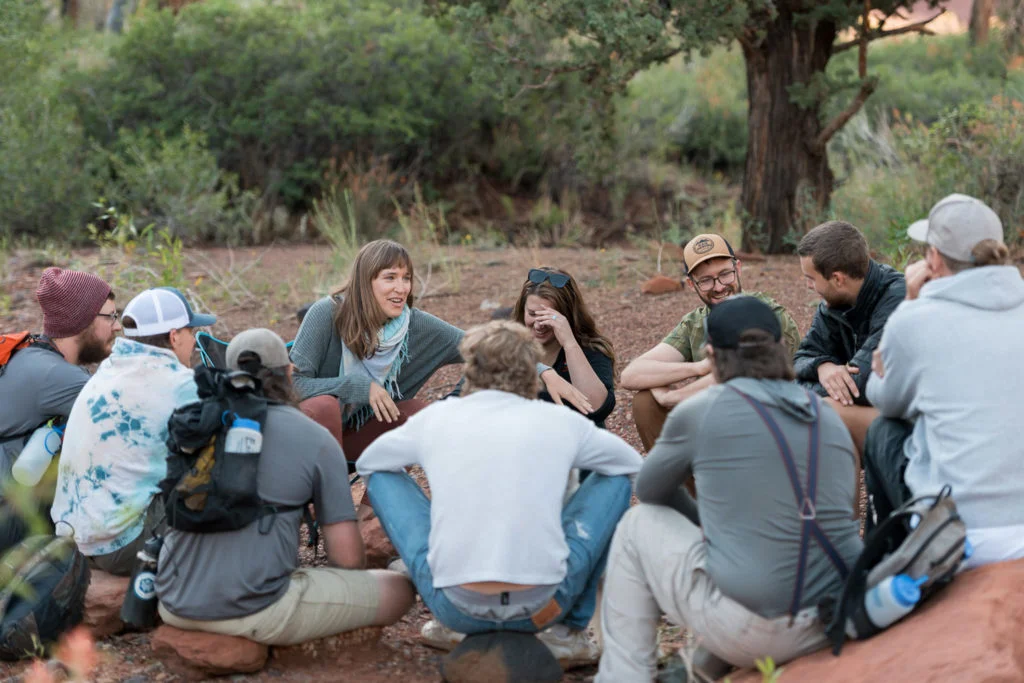
Combining individual therapy and group therapy allows us to integrate personalized care with peer support. Individualized therapy sessions give clients space to explore the root causes of their condition and develop healthy coping skills. Group therapy provides insights, guidance, motivation, accountability, and shared experiences.
Our compassionate team understands the importance of a holistic approach to care that emphasizes emotional, physical, and spiritual support. Young adults also have the opportunity to learn basic life skills, including proper nutrition, budgeting, and healthy interpersonal communication. We understand the importance of providing clients with a structured environment that uses practical skills development to build a foundation for lasting sobriety.
Measurable Outcomes and Long-Term Recovery Focus
Our focus on long-term recovery enables us to measure client progress and adjust our treatment approach when necessary to enhance the rehabilitation process. Evidence-based modalities provide a blueprint and a guide for young adults undergoing treatment. Understanding what to expect at each stage of treatment helps clients track measurable outcomes.
What Life Looks Like in a Washington Wilderness Therapy Program
Clinical Therapy and Outdoor Experiences
Outdoor experiences enhance the effectiveness of individual, group, cognitive-behavioral, and other therapeutic modalities. Clients learn coping skills development while gaining essential insights from peers and the care team.
Talk therapy and other forms of clinical therapy help people gain critical objectivity and hope for the future. We combine outdoor settings and clinical therapy to provide a holistic treatment experience.
Adventure-Based Skill Building
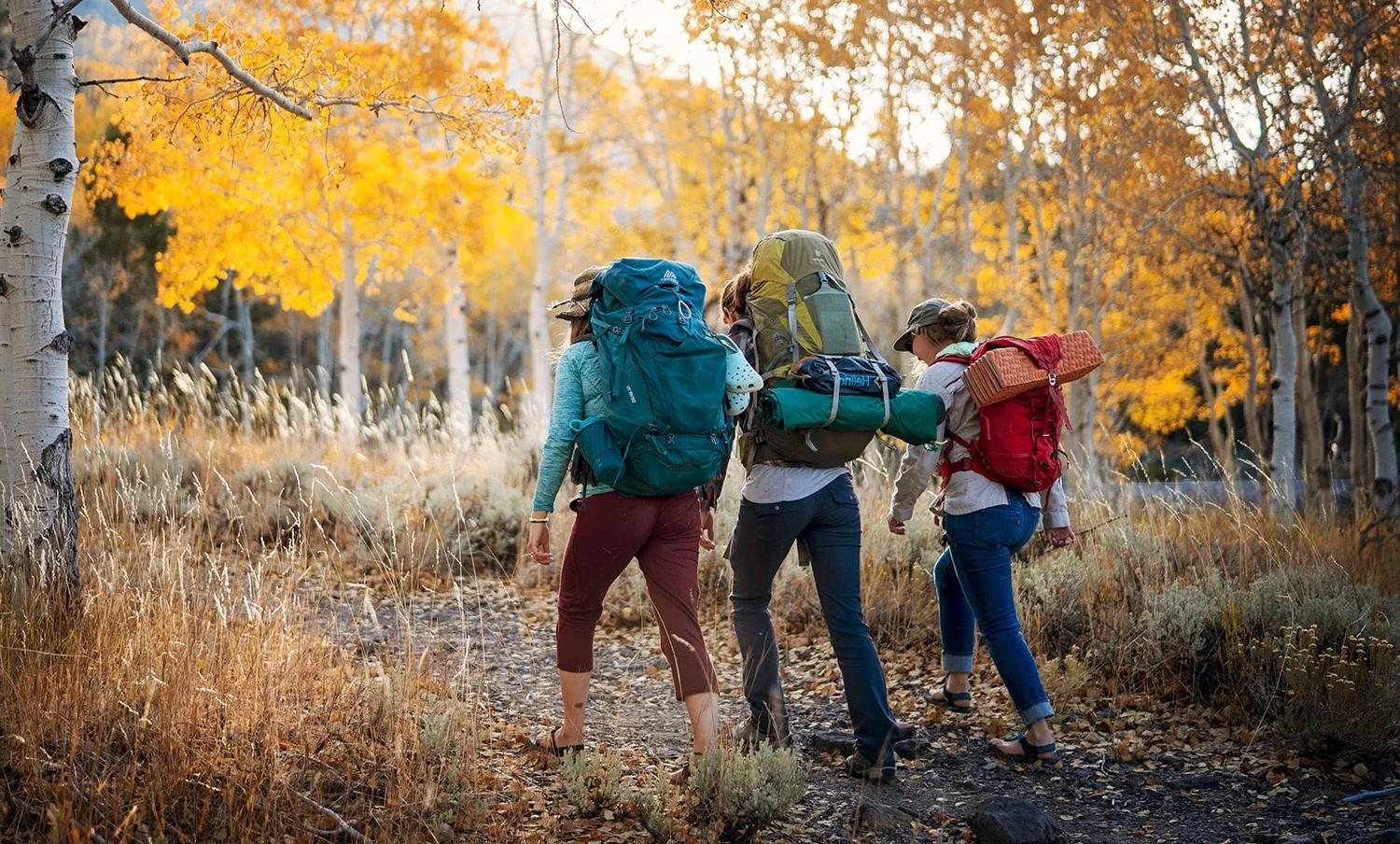
Young adults learn adventure-based skills while backpacking, kayaking, rock climbing, or engaging in other outdoor activities. Adventure therapy fosters creative problem-solving, teamwork, and self-reliance. People recovering from addiction or dual diagnosis use the skills they learn in nature to better regulate their emotions and behaviors.
Reflection, Processing, and Base Camp Support
Our wilderness therapy sessions provide base camp support. Clients practice self-esteem building and create wellness routines in real-world settings, developing essential skills for maintaining positive mental health and sobriety. We support young adults through every step of the recovery process to ensure they feel confident in their ability to manage their symptoms and triggers independently.
Extended Outdoor Experiences and Family Engagement
All of our programs offer family therapy integration to repair or strengthen relationships and encourage healthy family dynamics. Extended outdoor experiences frequently involve personal growth work and structured recreation of interpersonal problems. Engaging with family while participating in outdoor activities allows clients to process or work through emotions related to interpersonal relationships in a healthy way.
Treatment Programs and Conditions We Address
Our treatment programs use therapy, peer support, and individualized care to address the following:
- Addiction treatment and substance use disorders
- Mental health disorders and behavioral health needs
- Co-occurring disorders and dual diagnosis
- Eating disorders with outdoor-supported stabilization
- Trauma and emotional regulation challenges
Additional Therapeutic Features That Support Long-Term Recovery
Adventure therapy and other services offered in our gender-specific programs use a variety of therapeutic modalities to support lasting recovery from addiction or mental health disorders. Psychotherapy, family therapy, experiential therapy, and psychoeducation prepare young adults for a sober future. We educate clients and their families on the realities of recovery to ensure they make informed decisions about what levels of care they participate in during rehabilitation.

Individualized Treatment Plans for Unique Needs
Treatment addresses We use personalized care plans and evidence-based modalities, including family therapy, to support ongoing recovery. Family therapy and ongoing communication with loved ones help young adults maintain program adherence. Individualized care ensures that clinicians consider family dynamics, underlying issues, and co-occurring conditions. abuse alongside mental health conditions using integrated, evidence-based care.
Step-Down Planning to Inpatient or Outpatient Care

Alumni Support and Continued Wellness Engagement
Healing Through Structured Outdoor Experiences in Washington State