
Meth Addiction Treatment in Utah

Understanding Meth Addiction
Methamphetamine, also called meth, is an illicit stimulant drug that directly impacts brain function. The drug enters the brain quickly, causing a “rush” or “high” that ends quickly. This feeling can lead to the repeated use of meth, contributing to the development of addiction.
Legacy Outdoor Adventures helps people heal from the damage caused by meth addiction.
Signs and Symptoms of Meth Use
Some of the most common warning signs and symptoms of meth use include:
- Confusion
- Difficulty concentrating
- Irritability and anger
- Reckless and self-destructive behaviors
- Depressive episodes
- Tactile and auditory hallucinations
- Episodes of uncharacteristic violence and aggression
- Dry mouth
- Weakness and tremors
- Unintended weight loss and malnutrition
- Oily skin
- Excessive sweating
- Headaches
- Kidney failure
- Sores on gums and skin
- Severe dental issues (“meth mouth”)
- Changes in sleep patterns
If left untreated, the symptoms can lead to severe, long-term, and even permanent side effects. A personalized substance abuse treatment plan addresses the symptoms and side effects of meth use.
How Meth Affects Mental Health and Well-Being
Meth affects how people regulate moods, behaviors, and emotions. Chronic drug abuse can cause severe paranoia and anxiety that affects relationships, careers, and mental stability. Legacy Outdoor Adventures treats the mental health side effects of meth addiction using psychotherapy and other treatment modalities.
The Impact of Meth on Physical Health
Mental health has a direct impact on physical wellness. Methamphetamine addiction has become a danger to public health and families in Salt Lake City, Utah.
Frequent meth use can cause physical health issues, including:
- Rapid heart rate
- Irregular heartbeat
- Stroke
- Memory loss
- Insomnia
- Additional potential health problems
If left untreated, the physical side effects of meth addiction can cause serious illness, injury, or death.
Ready for an adventure in healing?Discover our unique wilderness therapy programs.
Our Meth Addiction Treatment Program in Utah
Many people with meth addiction have additional forms of substance use, including opiate addiction or abuse of prescription opioids. Our treatment facility provides a supportive environment that addresses all active disorders, symptoms, side effects, and underlying issues affecting sobriety.
Residential Treatment and Structured Care
Inpatient programs use evidence-based treatment to help clients build the necessary skills to identify triggers, manage cravings, and prepare for a sober future. Residential rehab programs assist clients by providing the following:
- 24/7 medical and emotional support
- Behavioral therapy
- Peer support
- Psychiatric support
- Medication management
- Psychoeducation
- A safe, structured, and drug-free environment
Most people transition to residential care from detox programs. After completing inpatient programs, clients can transfer to outpatient or aftercare support services.
Medical Detox for Methamphetamine Abuse
People experiencing meth withdrawal may have severe and even life-threatening side effects unless they detox under the guidance of a trained medical professional. Legacy Outdoor Adventures ensures that clients have access to high-quality detox services and withdrawal management.
Individualized Treatment Plans for Meth Use
Legacy Outdoor Adventures prioritizes individualized care and an integrative approach to treatment that addresses all aspects of a client’s health and well-being. For example, some clients may have legal problems and court-ordered treatment requirements. Individualized plans enable the care team to assist clients in meeting these requirements and overcoming challenges during the early stages of recovery. Every treatment plan offers tailored services.
Evidence-Based Behavioral Therapy for Meth Addiction
Chronic meth addiction can cause significant changes to temperament, mood, and emotional regulation. Behavioral therapy equips clients with the necessary skills and tools to effectively manage their moods, emotions, and behaviors.
Some of the most common forms of behavioral therapy include:
- Cognitive-behavioral therapy (CBT)
- Dialectical behavior therapy (DBT)
- Acceptance and commitment therapy (ACT)
Group and individual sessions use behavioral therapy to provide additional support, guidance, and skill development to people recovering from meth addiction or other forms of substance use disorder (SUD). Therapeutic modalities also give clients a safe space to express their thoughts, feelings, and beliefs about substance use and treatment. Behavioral health services help people replace maladaptive beliefs or thought patterns with healthy alternatives.
Adventure and Experiential Therapy in Recovery
Legacy Outdoor Adventures utilizes adventure therapy to teach life skills and enable clients to practice coping strategies in real-world settings. Spending time in nature reduces stress and fosters resilience. People use the skills they learn in therapy sessions to overcome challenges they encounter in outdoor activities.
Supporting Recovery and Wellness
Everyone responds differently to treatment and support services. The experts at Legacy Outdoor Adventures have been helping people heal from the effects of addiction and mental health disorders for over 15 years. Our programs employ a diverse range of modalities to guide clients through making essential lifestyle changes that support lasting sobriety.
Group Therapy and Peer Support
Group therapy, peer support, and community events allow clients to share their experiences with others who have a similar history. Feeling heard, understood, and accepted by peers can motivate people to continue moving forward in their healing journey.
Group therapy sessions benefit people in rehab by providing the following:
- A safe space to share successes and concerns
- Additional resources and coping strategies
- Advice for managing common challenges in recovery
- Encouragement, inspiration, and accountability
- An opportunity to get feedback from others
- Reduced feelings of isolation and loneliness
Family Therapy and Loved Ones’ Involvement
Legacy Outdoor Adventures encourages family members to play an active role in supporting their loved one during the rehabilitation process through engagement in family therapy and other services. Clients often benefit from using therapy to repair relationships with loved ones. Every member of a family unit experiences the side effects of substance abuse. Treatment can provide healing for the entire family.
Family support often motivates individuals to make difficult yet necessary lifestyle changes that support their sobriety. Clinicians provide support to families as they navigate treatment and recovery.
Coping Skills and Relapse Prevention
Some examples of common coping skills people learn during rehabilitation include:
- Relaxation techniques
- Mindfulness-based exercises
- Grounding techniques
- Relapse prevention strategies
- Stress management
- Emotional regulation
- Effective communication
- Setting clear boundaries
Coping skills give you the tools to avoid relapse during treatment and ongoing recovery. Clinicians work with each client to develop detailed safety plans that will help them manage stressors, triggers, and symptoms of SUD.
Addressing Co-Occurring Mental Health Conditions
Many people diagnosed with meth addiction have one or more co-occurring mental health conditions. The disorders may be linked or develop independently of each other. However, simultaneously, treatment often yields the best outcomes by ensuring people feel prepared to manage all active disorders during ongoing recovery. Experts use individual therapy, life skills training, family therapy, and prescription medications when appropriate to treat dual diagnosis involving meth addiction and co-occurring mental health disorders.
Wellness and Lifestyle Support During Treatment
Legacy Outdoor Adventures encourages self-care and provides wellness support. Lifestyle changes require time and effort.
Some examples of wellness and holistic services include:
- Yoga
- Meditation
- Mindfulness-based exercises
- Community events
- Peer activities
The care team works with clients to support them during treatment and prepare them for aftercare.
Preparing for Long-Term Recovery
A critical part of rehabilitation involves preparing for long-term recovery. Clients learn relapse prevention education, stress management, life skills development, and other techniques for maintaining sobriety after completing structured treatment.
Aftercare and Alumni Programs
Legacy Outdoor Adventures provides comprehensive aftercare planning and referrals to community-based programs. The clinical team ensures each client and their family have the tools, resources, information, and skills to manage sobriety before transitioning to aftercare.
Transitioning Back to Daily Life
The transition back to daily life can feel jarring for some people. Alumni services and other forms of ongoing support can smooth the transition and help clients feel more comfortable returning to their community.
Monitoring Progress for Lasting Recovery
Personalized care plans allow the clinical team to easily monitor progress for lasting recovery from meth addiction. Preparing for long-term sobriety using treatment and support services reduces the risk of relapse and improves overall health. People with SUD generally have better outcomes if they have experts monitoring their progress as they work through rehabilitation.
Struggling with substance use?Discover healing through wilderness therapy.
Why Choose Legacy Outdoor Adventures?
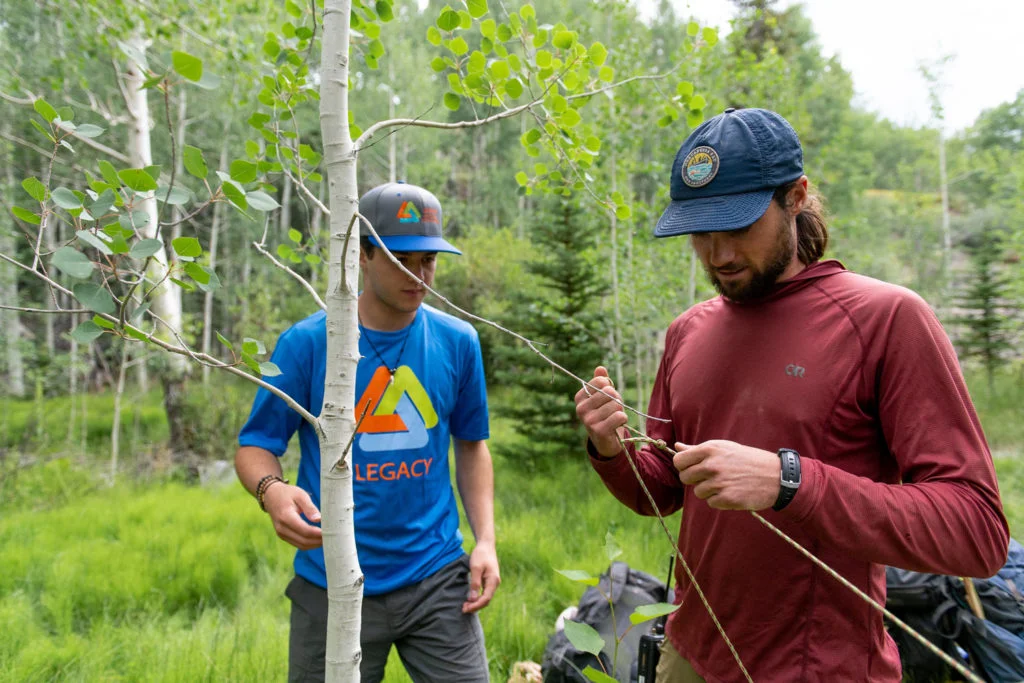
Safe and Supportive Treatment Environment
People heal more effectively in a safe and supportive environment where they feel comfortable, secure, and valued. The clinical team at Legacy Outdoor Adventures believes everyone deserves to be treated with respect and dignity.
Some of the primary benefits of participating in meth rehab programs that offer a safe and supportive environment include:
- Greater engagement and treatment adherence
- Helping people prepare for life after rehab
- Enhancing skill development
Treatment programs provide clients with a welcoming and inclusive environment where they can interact with peers and learn how to manage their condition.
Clinically Sophisticated and Outcome-Informed Care
The experts at Legacy Outdoor Adventures use innovative techniques to treat meth addiction. Programs employ an outcome-informed approach to care, focusing on preparing individuals for lasting sobriety and establishing a foundation for success.
Clinicians frequently develop new therapeutic techniques, providing treatment facilities with numerous options to choose from. The care team at Legacy Outdoor Adventures uses sophisticated modalities and methods to address substance abuse, mental health issues, and side effects impacting sobriety.
Personalized Approach for Individual Needs
A personalized approach to client care ensures each person receives the level of support they need to successfully manage their condition and feel confident in the recovery process. Clinicians use tailored care to educate clients and their loved ones on what to expect from the various levels of care. Family therapy, psychoeducation, and ongoing support play essential roles in personalized addiction treatment.
Frequently Asked Questions
Residential treatment for substance use disorder generally lasts 90 days. However, our rehab center facilitates treatment for career professionals who may need flexible timelines, including:
- Law enforcement
- Emergency medical technicians (EMTs)
- Other medical professionals
- Additional first responders
Some clients may need a longer or shorter treatment length depending on their specific symptoms, needs, recovery goals, and career or personal responsibilities.
