

Safe, Supervised Psychiatric Medication Management for Young Adults
Each individual may respond to new medication in a slightly different way. When multiple medications are used together, it can take time and dosage adjustments to determine the treatment plan that best fits a person’s needs. Therefore, medication management done in an environment that is supervised by medical staff is often considered the safest and most efficient route.
At Legacy Outdoor Adventures, we provide supervised psychiatric medication management specifically tailored toward young adults. Our facility has a full medical staff, including a psychiatrist, a full-time on-site nurse, a medical director, and access to a medical clinic. Together, they work as a team to ensure that the needs of each individual in our facility are met quickly and effectively.
At Legacy Outdoor Adventures, we provide supervised psychiatric medication management specifically tailored toward young adults. Our facility has a full medical staff, including a psychiatrist, a full-time on-site nurse, a medical director, and access to a medical clinic. Together, they work as a team to ensure that the needs of each individual in our facility are met quickly and effectively.
Understanding the Role of Psychiatric Medication in Mental Health Treatment
Psychiatric medication plays a very important role in mental health treatment. While the medications that are prescribed during treatment are often not looked at as a cure for a particular mental health condition, they can be critical in managing the symptoms of that condition. They can also help to improve the quality of life and the overall functioning of the individual.
Medication management services don’t end after a doctor has first seen a patient. Rather, it follows a series of steps to ensure that the medication that they are prescribed is the best fit for them and continues to fit their individual needs effectively.
During the first step in this process, a health professional will evaluate the individual and provide a comprehensive assessment. This will include looking over their medical history and taking note of their symptoms. The healthcare provider will also typically look into the person’s family history, whether or not they have a history of substance use, and if they are already on any medications.
The next step will be to determine if medication is necessary and to prescribe the medication if so. Instructions will be given, including when to take the medication and how frequently. They will also be made aware of any potential side effects they may experience. The final stage is ongoing monitoring and follow-ups, during which the clinician will continue to check in with the person to ensure the medication is working as it should be.
The role of board-certified healthcare professionals and clinicians in medication management is essential. They have the knowledge and background to determine what kind of medication regimen is going to be the safest and best fit for each person’s individual needs. This is important in a holistic treatment plan because they can work as a team with other care providers, including therapists and psychologists, to provide treatment that addresses the whole person, mentally, physically, and emotionally.
Medication management services don’t end after a doctor has first seen a patient. Rather, it follows a series of steps to ensure that the medication that they are prescribed is the best fit for them and continues to fit their individual needs effectively.
During the first step in this process, a health professional will evaluate the individual and provide a comprehensive assessment. This will include looking over their medical history and taking note of their symptoms. The healthcare provider will also typically look into the person’s family history, whether or not they have a history of substance use, and if they are already on any medications.
The next step will be to determine if medication is necessary and to prescribe the medication if so. Instructions will be given, including when to take the medication and how frequently. They will also be made aware of any potential side effects they may experience. The final stage is ongoing monitoring and follow-ups, during which the clinician will continue to check in with the person to ensure the medication is working as it should be.
The role of board-certified healthcare professionals and clinicians in medication management is essential. They have the knowledge and background to determine what kind of medication regimen is going to be the safest and best fit for each person’s individual needs. This is important in a holistic treatment plan because they can work as a team with other care providers, including therapists and psychologists, to provide treatment that addresses the whole person, mentally, physically, and emotionally.
Mental Health Conditions Treated at Our Utah-Based Program
As part of our Utah-based program, we treat a variety of mental health conditions. They include bipolar disorder, ADHD, obsessive-compulsive disorder, post-traumatic stress disorder, mood disorder, and anxiety and depressive disorders.
Anxiety and depressive disorders
Both anxiety and depressive disorders can impact your mood, behavior, and thought processes. Anxiety disorders are typically associated with extreme fear or worry, restlessness, and nervousness. Depressive disorders are often characterized by persistent periods of sadness and hopelessness. Therapy and medication management can play critical roles in treating both of these disorders.
Attention-deficit hyperactivity disorder (ADHD)
Attention-deficit hyperactivity disorder (ADHD) is a mental health condition that causes a person to experience patterns of impulsivity and hyperactivity. They may also frequently struggle with staying focused on one thing at a time. This condition can make it difficult to function at work or school if it is not treated. However, medication can often help manage symptoms effectively.
Obsessive-compulsive disorder (OCD)
Obsessive-compulsive disorder (OCD) is a mental health condition that causes a person to experience intrusive and unwanted thoughts. At times, these thoughts can become obsessive and can cause a person to engage in repetitive behaviors to try to find relief. These acts, known as compulsions, are often performed in an attempt to relieve the anxiety caused by intrusive thoughts. OCD can cause a lot of distress and can impact relationships and overall functioning if it is not treated.
Post-traumatic stress disorder (PTSD)
Post-traumatic stress disorder (PTSD) is a mental health condition that some people will experience after they have gone through a traumatic event. This traumatic event could be anything from an act of violence to a natural disaster or accident. The individual may experience symptoms of intense anxiety, flashbacks, and nightmares. These things can be very distressing, but can be treated through therapy and medication.
Mood disorders
Mood disorders can come in different forms and may involve mood swings, sudden elevations in mood, or periods of extreme sadness. Some examples of mood disorders include bipolar disorder, depressive disorder, and dysthymia. While all of these things can make it difficult to function normally, there are treatment options available.
Bipolar disorder
Bipolar disorder is a mental health condition that involves intense mood swings. A person can find themselves going from intense emotional highs, otherwise known as mania or hypomania, to intense lows, or states of depression. These dramatic shifts can impact a person’s quality of life and ability to function if the condition is not treated.
Comprehensive Care Addressing Co-Occurring Disorders
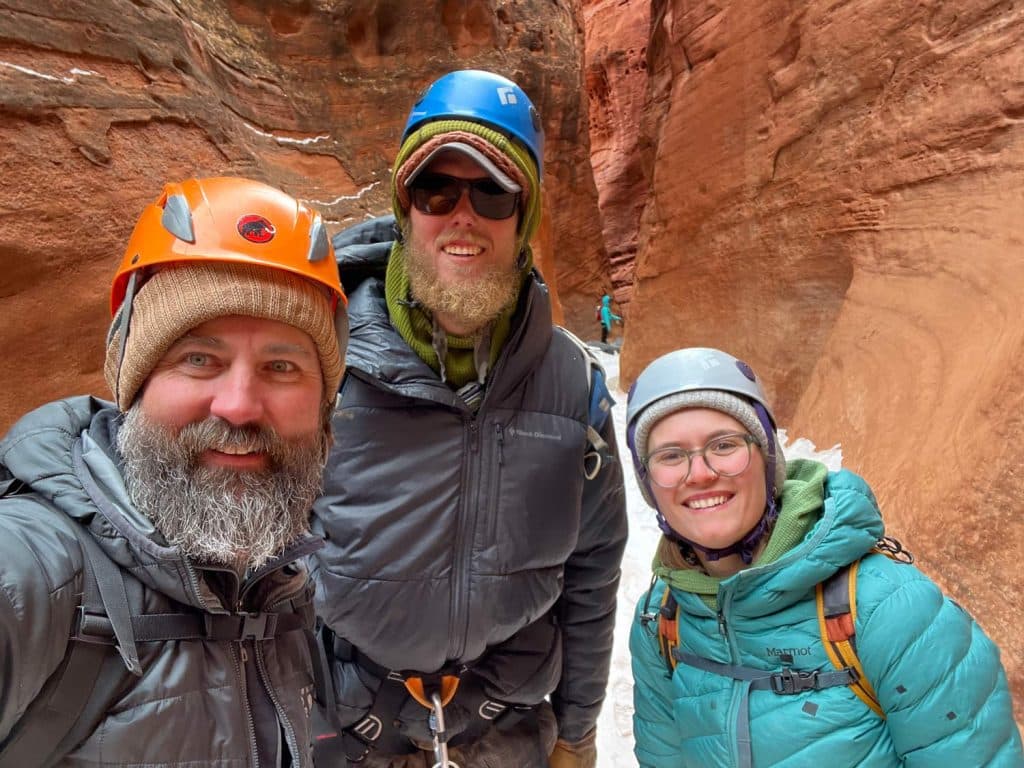
At Legacy Outdoor Adventures near Salt Lake City, we utilize a comprehensive approach to psychiatric medication. The process begins with our initial psychiatric evaluation and assessment. During this stage, we’ll take note of your symptoms, lifestyle, and goals for treatment moving forward. The clinician will determine whether medication is the right fit for you, and if so, what kind.
Depending upon your diagnosis, medical history, and specific needs, the clinician will then determine the type of medication that is best for you and your unique needs. They will then ensure that you know exactly what to expect from this type of medication and exactly how to take it. During the next stage, the clinician will continue to review how your medication is working and will make any necessary dosage adjustments.
Depending upon your diagnosis, medical history, and specific needs, the clinician will then determine the type of medication that is best for you and your unique needs. They will then ensure that you know exactly what to expect from this type of medication and exactly how to take it. During the next stage, the clinician will continue to review how your medication is working and will make any necessary dosage adjustments.
Throughout this time, our team will ensure your safety by carefully monitoring any potential side effects that you may experience. If side effects do occur, your treatment plan may need to be adjusted accordingly. You will also have regular follow-ups with the clinician to ensure that you’re both on the same page and that you’re making the type of progress you want.
As you move forward, therapy will continue to be integrated into your treatment plan to help provide the best possible outcomes. This will also help to ensure that all of your needs are met, mentally, physically, and emotionally.
As you move forward, therapy will continue to be integrated into your treatment plan to help provide the best possible outcomes. This will also help to ensure that all of your needs are met, mentally, physically, and emotionally.

Why Choose Legacy for Medication Management in Utah?

When it comes to receiving treatment for your mental health, you deserve to have a team of experts who can offer you the personalized support that best fits your needs. At Legacy Outdoor Adventures, we don’t believe in just prescribing you medication and sending you on your way. Rather, we prioritize whole-person healing that addresses your mental, physical, and emotional needs together.
Our team is led by experienced, board-certified clinicians who are experts in the complexities of mental health conditions and the steps that go into treating them. We use evidence-based practices, including therapies such as cognitive behavioral therapy (CBT), alongside medication management.
Our team is led by experienced, board-certified clinicians who are experts in the complexities of mental health conditions and the steps that go into treating them. We use evidence-based practices, including therapies such as cognitive behavioral therapy (CBT), alongside medication management.
Medication is just one aspect of the treatment journey at our facility. We seamlessly integrate medication management with adventure therapy and residential treatment as well. Nature serves as a critical aspect of our program and the healing process.
Our team works together to coordinate care across medical and therapeutic services. This is to help ensure that all your needs are met and to allow for the best possible recovery outcome. At our facility, we don’t want to just treat your symptoms; we want to help you thrive. Because of this, we focus on promoting a strong quality of life, long-term wellness, and lasting recovery.
Our team works together to coordinate care across medical and therapeutic services. This is to help ensure that all your needs are met and to allow for the best possible recovery outcome. At our facility, we don’t want to just treat your symptoms; we want to help you thrive. Because of this, we focus on promoting a strong quality of life, long-term wellness, and lasting recovery.


How Medication Management Fits Into Your Treatment Plan
At our facility, medication management does not stand on its own. Rather, it’s seamlessly integrated into your individualized treatment plan. This is done by combining medication management with therapeutic and behavioral health support. Not only does this help our goal of providing a whole-person approach to treatment, but it can also enhance medication outcomes.
Inpatient and Outpatient Options for Flexible Medication Management
At Legacy Outdoor Adventures, we recognize that everyone’s specific needs, schedules, and availability can look different. Because of this, we offer several different options for medication management, including both inpatient and outpatient care. As part of our aftercare program, you have the option to attend either in-person or virtual check-ins and follow-ups to ensure you’re continuing to make steady progress.
Family involvement and education are also an important part of our program. Your loved ones have the ability to get involved even from miles away.
Some key aspects of our family program curriculum include:
Family involvement and education are also an important part of our program. Your loved ones have the ability to get involved even from miles away.
Some key aspects of our family program curriculum include:
- Weekly therapeutic updates
- Family therapy sessions (through video conferencing)
- Family workshops (in-person)
- Weekly clinician-led parent support groups (virtual)
- Access to pre-recorded parent psychoeducational webinars
FAQs About Medication Management in Utah
How do I know if I need psychiatric medication?
Determining whether or not you need psychiatric medication is a decision that you and a medical professional should make together. However, there are some factors to consider that could suggest that you would benefit from the right medication. Some examples include whether your symptoms impact your daily functioning and whether therapy alone has not been effective enough. Other factors could include whether you have a family history of mental health issues and whether you have been diagnosed with a mental health condition that is known to respond well to a particular kind of medication.
What if I’ve had bad side effects in the past?
If you’ve had bad side effects from a particular medication in the past, you should let your doctor know immediately. There may be alternative options that they decide to prescribe to you instead. Or they may decide to adjust your dosage to avoid potential negative side effects.
Do you offer in-person and virtual check-ins?
Yes, at our facility, we offer both in-person and virtual check-ins as part of our medication management program.
Are you ready to achieve your best mental health and well-being possible alongside our experienced team? If so, reach out to Legacy Outdoor Adventures today at (866) 436-4458 to determine if our program is the right fit for you.
