

Experience Equine Therapy in Utah at a Licensed Residential Treatment Center
Why Equine Therapy?
You have the opportunity to explore different emotions and behavior patterns. Throughout this process, you’ll have the chance to form a connection with a horse that will help you learn more about relationships overall. There are many research-backed benefits associated with this type of therapy. They include better emotional regulation, increased self-awareness, reduced stress, and overall greater well-being.
Many people who come to try equine therapy may be struggling with self-esteem or are in recovery from past trauma. For these individuals, trust often doesn’t come easily, and they may find themselves withdrawing from those around them. They may do this out of fear of judgment or out of fear of letting people in and getting hurt again. Even talking about their experiences can feel re-traumatizing and incredibly overwhelming.
However, horses are non-judgmental, and they don’t care about a person’s past. They also don’t care about what kind of diagnosis an individual may be struggling with. Therefore, many people may feel more comfortable being vulnerable around a horse than they do another person. This is why the presence of horses can help support trauma recovery and rebuilding self-esteem.
In order to communicate with a horse, you don’t have to use words. Body language, energy, and emotion are all things that a horse is very attuned to. As time passes and the individual continues to work with the horse, they may become more comfortable letting their guard down around other people as well. They can work towards beginning to trust again and learn how to let others in without fear of getting hurt.
What Is Equine-Assisted Therapy?
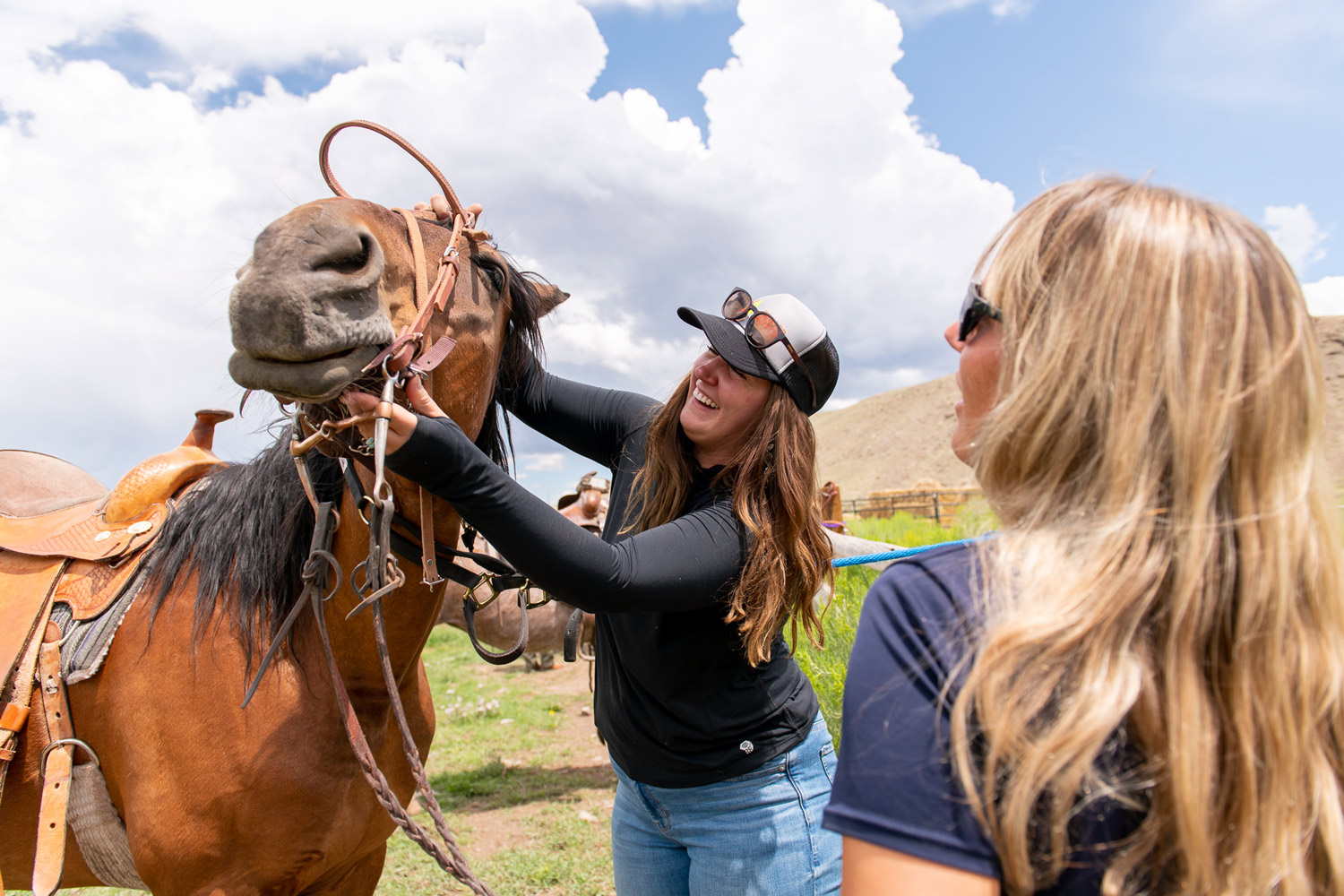
- Learning how to lead or groom the horses
- Observing horses and learning how to use body language, mirroring, and feedback from horses
- Taking the time to reflect upon what happens both physically and emotionally during these interactions
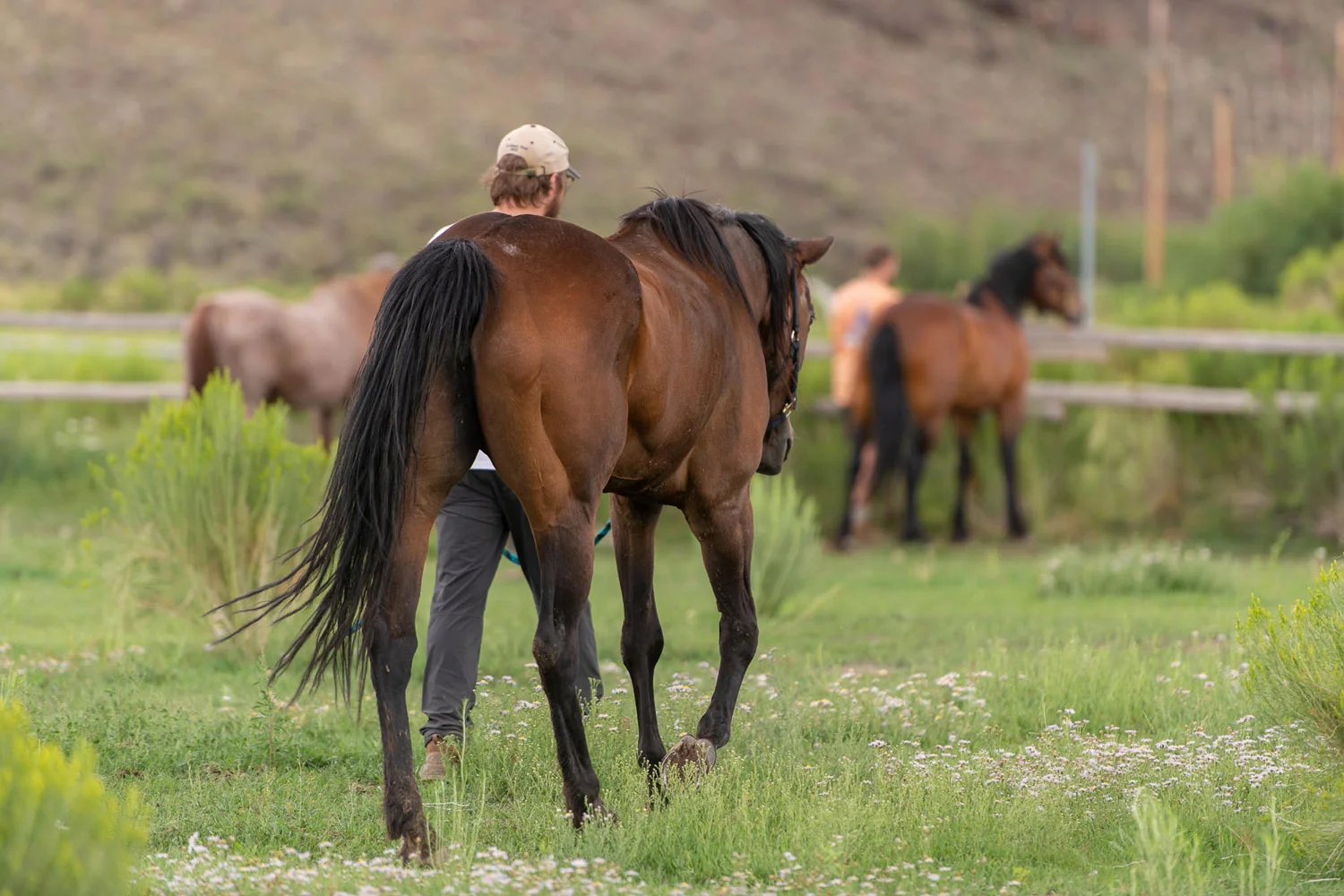
Our Approach to Equine Therapy at Legacy Outdoor Adventure
Conditions Treated With Equine Therapy
- Trauma (including PTSD and developmental trauma)
- Depression and anxiety
- ADHD
- Substance use disorders
- Emotional dysregulation
- Low self-esteem and social withdrawal
- Co-occurring mental health issues
The Benefits of Equine Therapy for Young Adults
Some additional benefits associated with equine therapy for young adults include:
- Increased self-awareness and body-mind connection
- Promotes a grounded, non-verbal therapeutic experience
- Supports trauma resolution through safe, relational engagement
A Typical Equine Therapy Session at Legacy
Throughout a session, the participant will learn things like horsemanship, grooming, and groundwork. All of these things are intended to serve as a powerful metaphor that is meant to represent real-life struggles. For example, grooming or providing nurturing care to a horse can help an individual practice patience and healthy boundary setting. In addition, leading a horse through an obstacle course could help them practice leadership or healthy communication.
Throughout all of these things, the individual can learn important skills that they can carry with them moving forward. It’s important to remember to focus on safety, presence, and process. The goal here is not performance.
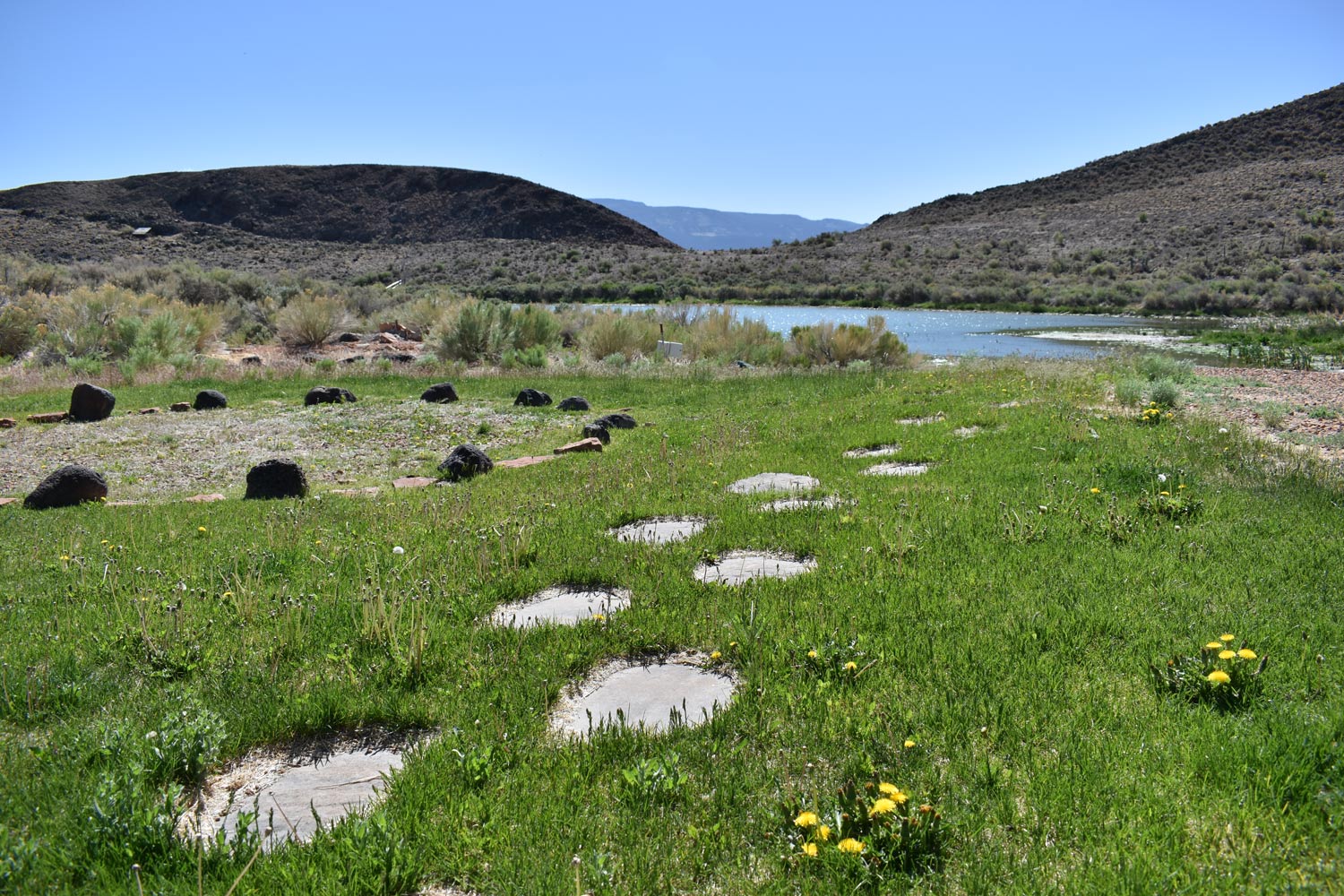
Why Utah? The Healing Environment of Legacy
At our facility, we utilize many common evidence-based treatment methods to assist those who are struggling with mental health disorders, substance misuse, or behavioral problems. However, what makes our program unique is that treatment isn’t limited to the walls of our facility, but exists beyond. The outside environment is incorporated into treatment, which allows participants to enjoy new experiences that they may have never tried before. We believe that this helps support the therapeutic progress without over-romanticizing the wilderness.
At Legacy Outdoor Adventure, we place a particular emphasis on structure, safety, and measurable healing outcomes. We understand that many of our clients may have come from a difficult background or may be in recovery from past trauma. Therefore, we want to ensure both mental and physical safety at all times. We also work to provide a structured treatment plan that is specifically tailored to each individual’s specific needs.
In recovery, having realistic and trackable goals is critical in order to ensure progress is being made. This is why we utilize ongoing progress tracking, which is done through clinical evaluations and team collaborations.
What Makes Legacy’s Equine-Assisted Psychotherapy in Utah Stand Out?
The following are some of the many attributes associated with our treatment program that help it stand out from others:
- Licensed RTC + evidence-based modalities + equine-assisted therapy
- 21 hours of clinical therapy weekly
- Trauma-informed, outcome-informed, individualized treatment plans
- Integration with adventure therapy, EMDR, and long-term recovery support
- A commitment to high integrity, long-term success, not short-term stabilization
Frequently Asked Questions (FAQs)
At Legacy Outdoor Adventure, we accept a wide variety of different types of insurance. Our team also sends information over to your insurance company for authorization before treatment takes place. The specific percentage of the program that may be covered depends on your particular insurance plan. We can work with you to ensure you know what to expect.
At Legacy Outdoor Adventure, riding horses is not considered a necessary part of equine therapy. Instead, our team will guide a participant through a variety of different ground-based interactions alongside the horses. In many cases, this involves grooming and feeding the horse, doing leading exercises, and completing therapeutic tasks. It also involves taking the time to observe how horses interact with one another.
The intent of these exercises is not to prove how well you can get a horse to perform. Rather, it is about learning how to interact with the horse in a meaningful way that helps to establish a relationship with it that does not require using words. The goal is to help establish trust with the horse and to use the lessons you’ve learned along the way to tackle real-life challenges in the future. It can also help to promote better emotional regulation and mindfulness.
At Legacy Outdoor Adventure, equine therapy isn’t a type of treatment that is carried out by itself, but is incorporated into a broader overall treatment program. We use this type of treatment alongside both evidence-based therapies and adventure-based experiences. Each aspect of our treatment program, including equine therapy, is tailored to best meet an individual’s specific clinical goals. In other words, if an individual is in recovery from trauma, then each treatment method, including equine therapy, will be focused on healing from trauma.
Yes, you don’t have to have had any experience at all with horses to benefit from equine therapy, and it is completely safe. We are an accredited treatment center and utilize a safety-first approach when it comes to all of our treatment programs. It is also important to remember that if you participate in equine therapy, you won’t be expected to work alone with the horse. You’ll be working alongside a trained equine specialist, who will help to ensure your complete safety at all times.
Many people can be intimidated by the idea of equine therapy because they think that they will be expected to ride the horse or perform different stunts. In reality, equine therapy is a very slow, calm, and peaceful practice that does not even involve getting on the horse. The equine specialist will work with you at all times to ensure that you’re feeling safe and comfortable. The activities you may find yourself doing will most likely be very simple, such as brushing or just observing the horse.
Equine therapy can be used to treat people of all walks of life, abilities, and experience. Therefore, if you have zero horse experience, you don’t need to let that hold you back from giving it a try.
Equine therapy is intended to be adaptable to a person’s specific needs and limitations and can be tailored to be inclusive to people of all abilities. If you have certain physical limitations, you can still participate fully in this experience and benefit greatly from this kind of treatment. You won’t be expected to ride the horse or get on it at all. Instead, the activities will be focused on connecting and communicating with the horse.
These activities are not focused on physical performance.
