
Opioid Addiction Treatment in Utah

Opioid use disorder (OUD) affects millions of people each year. Legacy Outdoor Adventures provides opioid addiction treatment in Utah. Clients learn to manage their condition and build a foundation for a sober future. 

Comprehensive Care for Opioid Use Disorder

Opioid use disorder and other forms of substance use disorder (SUD) impact people’s physical, emotional, and spiritual wellness. Treatment programs at Legacy Outdoor Adventures utilize integrative care to address the symptoms, side effects, and underlying issues that impact recovery. 

Studies have shown that “treatment of OUD requires an interprofessional approach,” including “cognitive and behavioral therapies [. . .] supported by medical intervention to reduce the chance of withdrawal, relapse, and overdose.”

A young woman receives compassionate emotional support from her peers in a sunny field, showing how shared understanding helps in processing mental health challenges and anxiety.

Individualized Treatment Plans for Opioid Addiction

Utah opioid treatment programs use therapy, prescription medications, and other services to help clients learn to manage their condition. Legacy Outdoor Adventures utilizes personalized care plans to ensure that every client receives the level of support they need to progress in their healing journey. Clinicians collaborate closely with clients and their loved ones to schedule appointments and develop effective treatment plans.

Medication-Assisted Treatment With Buprenorphine and Methadone

People with OUD benefit from medication-assisted treatment (MAT) that utilizes buprenorphine or methadone to reduce withdrawal symptoms. According to researchers, “[m]ethadone, buprenorphine, and extended-release naltrexone are the three medications currently approved by the U.S. Food and Drug Administration (FDA) for treating opioid use disorder.” In addition, “Treatment using agonist medication is associated with an estimated mortality reduction of approximately 50 percent among people with OUD.”

Cognitive-Behavioral Therapy (CBT) and Dialectical Behavior Therapy (DBT)

People with OUD often experience mental health issues worsened by chronic substance abuse. Individual and group therapy sessions help clients build healthy coping strategies and learn practical methods for managing stress. Legacy Outdoor Adventures prioritizes skill development in all programs to prepare clients for lasting sobriety and long-term success. CBT and DBT are the two most common therapeutic modalities used to address trauma-related or behavioral issues during rehabilitation.

Medication Management and Safe Prescribing Practices

Legacy Outdoor Adventures offers medication management and uses safe prescribing practices. Every treatment program uses the lowest possible dose for the shortest period of time to provide relief from symptoms without increasing the client’s risk of complications. People living in and around Salt Lake City, Utah, can trust the clinical team to provide life-saving support during addiction recovery.

Residential and Outpatient Levels of Care

Legacy Outdoor Adventures offers inpatient residential treatment programs, outpatient services, and aftercare. Clients often go through multiple levels of care, starting with detox and gradually transitioning to residential or outpatient programs. Chronic alcohol and drug addiction frequently causes behavioral health issues that require additional treatment. Clinicians work with clients to create a tailored treatment plan that utilizes various treatment services and levels of care to address their specific needs.

Adventure Therapy and Experiential Approaches

The dedicated experts at Legacy Outdoor Adventures use adventure therapy and other experiential therapies to help clients heal and build essential skills that support lasting sobriety. Spending time out in nature allows clients to practice healthy coping mechanisms in real-world situations, improving self-confidence and self-control. 

According to Environmental Health and Preventive Medicine, “Nature-based interventions such as horticulture, hiking in natural environments, and engaging in outdoor activities proved to be effective in addiction treatment and promoting recovery.” In addition, “[E]ngaging with nature enhances emotional resilience and promotes healthy behaviors, potentially deterring substance use.”

Addressing Co-Occurring Mental Health Conditions

Many people who abuse opiates or other addictive substances have co-occurring mental health disorders requiring simultaneous treatment. Legacy Outdoor Adventures uses a wide range of therapeutic modalities to address co-occurring conditions impacting client health, safety, and comfort, including:
  • Cognitive-behavioral therapy (CBT)
  • Dialectical behavior therapy (DBT)
  • Experiential therapies, such as outdoor therapy
  • Family therapy
Treatment programs offer therapy sessions in group and individual settings to meet each client’s specific needs.

Dual Diagnosis Support for Substance Use Disorders

Healthcare providers at Legacy Outdoor Adventures use integrative care to treat dual diagnosis, including multiple co-occurring forms of SUD. For example, a client may have alcohol use disorder (AUD), OUD, and a mood disorder. Dual diagnosis support generally involves stress management strategies, treatment for withdrawal symptoms, and holistic therapies that promote overall wellness.
Residential treatment involves tailored care plans and 24/7 supervision to reduce the risk of complications during withdrawal or relapse in early recovery. Outpatient programs offer ongoing support, guidance, and structure during weekdays for people who do not require inpatient care. 
Three young women begin their journey of healing on a backpacking trip through a golden aspen forest, embarking on a new path with a women's wilderness therapy program.

Trauma-Informed Care and Mental Health Interventions

People who experience or witness traumatic events have a higher risk of being diagnosed with SUD, mental health issues, or dual diagnosis. According to the National Institute on Drug Abuse (NIDA), “Children and adolescents who experience trauma are particularly susceptible to developing a substance use disorder later in life.” However, “Protective factors such as individual traits like optimism and environmental influences like healthy family and peer relationships, as well as targeted prevention interventions, can reduce the risk of developing a substance use disorder.” 

Trauma-informed care and mental health treatment give families and clients the information they need to prevent future health issues related to trauma. Treatment programs teach coping strategies, educate families, and support trauma healing. 

Why Choose Legacy Outdoor Adventures for Opioid Addiction Treatment in Utah?

The dedicated care team employs an outcome-oriented approach to treatment, keeping clients and their loved ones focused on a healthier and happier future. Positive lifestyle changes and healthy routines replace maladaptive behaviors and coping mechanisms. The outdoor therapy options at Legacy Outdoor Adventures set it apart from other treatment facilities by providing clients with a safe space to learn, explore, and grow alongside their peers. The personalized treatment plans ensure that every client receives the best treatment tailored to their specific needs during residential rehabilitation.

What We Treat at Our Opioid Addiction Center

Legacy Outdoor Adventures treats prescription and illicit opioid use through a combination of experiential and evidence-based therapies. Clients with multiple forms of SUD receive simultaneous treatment for all conditions. An integrative approach to care helps clients recover from SUD and dual diagnosis. 

Rehab programs treat the following: 
  • Mental health issues
  • Trauma and trauma-related disorders
  • Drug abuse
  • Alcohol addiction 
  • Smoking
  • Behavioral issues 
Prescription drug addiction may make it more difficult for some clients to use MAT or other services during rehabilitation. The clinical team collaborates with clients to develop a comprehensive care plan that considers all factors that may impact recovery. Mindfulness-based therapies, evidence-based treatments, family support, peer engagement, and prescription medication all contribute to helping people establish healthy routines and develop practical coping skills.

Opioid Use Disorder and Opioid Misuse

Prescription opioids and illicit drug abuse have the potential to cause OUD, drug overdose deaths, or medical complications. Long-term abuse of illicit drugs may increase a person’s risk of developing mental health disorders, severe illness, or injury. 

The opioid epidemic has taken many lives over the last few decades. However, there is hope. Legacy Outdoor Adventures uses proven treatment methods to help clients and their loved ones overcome the challenges of substance abuse. Clients learn to make healthier choices that reduce their risk of relapse or overdose. 

Overdose Prevention and Naloxone Education
Overdose deaths related to prescription painkillers, fentanyl, and other synthetic opioids can be reduced through overdose prevention and naloxone education.
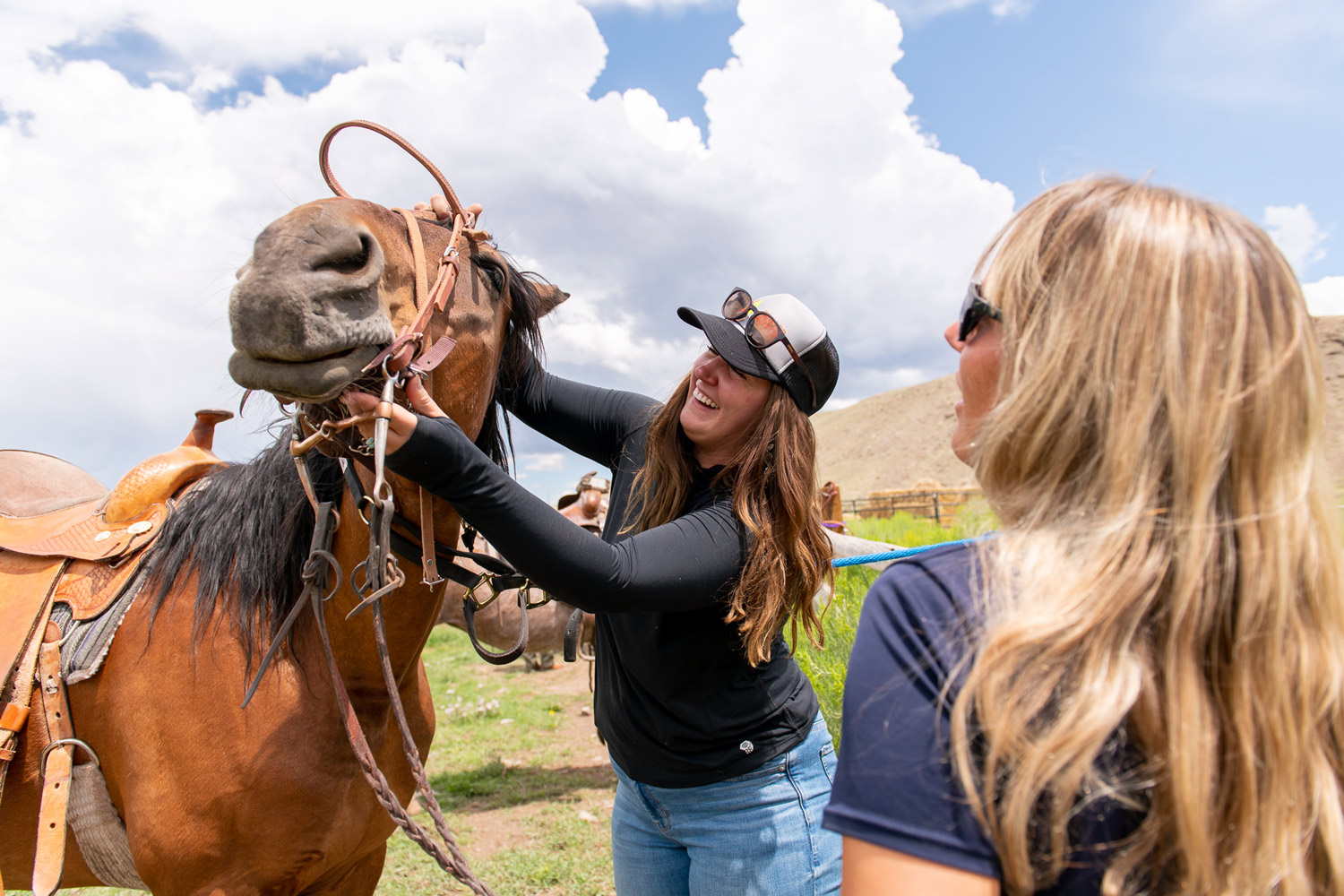
A young woman smiles with confidence and joy as she handles a horse during an equine therapy session, demonstrating the importance of hands-on experiences for building self-esteem and empowerment.

Cravings, Relapse, and High-Risk Situations

Opioid abuse can cause high-risk withdrawal situations during early recovery. Certain triggers may lead to intrusive thoughts, cravings, or relapse. Rehabilitation programs minimize these risks by providing people with a structured and supportive environment that offers access to essential recovery services throughout every stage of recovery. 

Pain medication may trigger drug use, making it essential for people with chronic pain to work closely with their healthcare provider to create an alternative treatment plan for managing chronic conditions. MAT may help clients manage chronic pain while reducing opioid withdrawal symptoms. 

Co-Occurring Mental Health Conditions

Many clients with SUD have related or independent mental health disorders. According to the Substance Abuse and Mental Health Services Administration (SAMHSA), “[A]pproximately 21.5 million adults in the United States have a co-occurring disorder.” In addition, “Mental health and substance use disorders affect people from all walks of life and all age groups.”

Some of the most common types of co-occurring mental health disorders include: 
  • Major depressive disorder (MDD)
  • Generalized anxiety disorder (GAD)
  • Bipolar disorder
  • Borderline personality disorder (BPD)
  • Post-traumatic stress disorder (PTSD)
  • Obsessive-compulsive disorder (OCD)
  • Schizophrenia
Legacy Outdoor Adventures uses therapy, peer support, outdoor activities, skill development, and family therapy to help clients manage and treat co-occurring mental health disorders.

Admissions and Insurance Information

Many insurance plans cover or partially cover professional addiction treatment programs. Legacy Outdoor Adventures accepts many popular insurance providers. Clients can also take advantage of payment plans to cover any services or programs not covered by their insurance providers. To learn more about the insurance we accept and our various payment options, contact our main office today. The intake specialists can answer any questions people have and help them quickly understand the details of your coverage.
Opioid use disorder (OUD) impacts physical and psychological wellness. Legacy Outdoor Adventures uses evidence-based and alternative holistic therapies to treat OUD and any co-occurring conditions. To learn more about our programs and how we can help you heal from the effects of substance abuse, call our office today at (866) 436-4458.

Frequently Asked Questions

Below are some of the most commonly asked questions about treatment for opioid addiction and dual diagnosis.