
PTSD Treatment in Utah
Many people who abuse drugs or alcohol have co-occurring mental health disorders, including post-traumatic stress disorder (PTSD). Legacy Outdoor Adventures offers comprehensive PTSD treatment in Utah to individuals with substance use disorder (SUD) or mental health issues.
Comprehensive PTSD Care for Adults
Adults with PTSD have an increased risk of substance abuse and other mental health conditions. Some people live through or witness traumatic experiences that shape their behavior and cause trauma responses.
A few examples of events that may cause PTSD include:
A few examples of events that may cause PTSD include:
- Surviving a natural disaster
- Living or working in a war zone
- Chronic stress at home or in the workplace
A tailored treatment plan can increase your quality of life and help you learn effective ways to cope with the aftereffects of a traumatic event. Legacy Outdoor Adventures teaches practical coping skills and stress management to reduce the risk of relapse or other complications during recovery.

Who We Help
Residents of Salt Lake City, Utah, can rely on the experts at Legacy Outdoor Adventures to provide high-quality treatment and personalized care. The individuals who benefit most from professional treatment programs include:
- Individuals struggling with mental health issues
- People who have not responded well to other treatment options
- Individuals who need greater structure and accountability to remain sober
Holistic and evidence-based treatments help people from all walks of life heal from the damaging effects of SUD and co-occurring PTSD.
How We Provide PTSD Treatment
PTSD treatment generally involves a combination of peer support, individual counseling, and holistic therapies. A PTSD program may include group therapy, family therapy, and crisis management strategies.
Personalized Treatment Plans for PTSD
Legacy Outdoor Adventures offers personalized treatment plans to all clients. Healthcare professionals collaborate closely with clients and their loved ones to develop a tailored mental health treatment plan. In most cases, clinicians use multiple therapeutic modalities to improve people’s overall well-being as they navigate recovery from substance use or mental health disorders.
Individual Therapy and Psychotherapy
Clinicians use various forms of psychotherapy to help support client treatment and overall wellness. A few of the most popular individual and group therapy options include:
- Cognitive-behavioral therapy (CBT)
- Dialectical behavior therapy (DBT)
- Eye movement desensitization and reprocessing (EMDR)
- Cognitive processing therapy
Many people benefit from individual counseling that utilizes a combination of therapeutic approaches to address various aspects of PTSD or dual diagnosis.
Medication Management
Some people may benefit from being prescribed medication to manage specific side effects or symptoms of PTSD. For example, many people with PTSD have high levels of anxiety or struggle to sleep. Antianxiety medication or prescription sleep aids can provide some relief and help people cope more effectively with their condition. Legacy Outdoor Adventures provides medication management to clients with PTSD, SUD, and other co-occurring conditions.
Residential and Outpatient Levels of Care
Legacy Outdoor Adventures offers inpatient residential treatment and outpatient programs that provide ongoing support and care. Most clients go through a continuum of care that starts with detox and then transitions into residential or outpatient care. Some people may go through all levels of treatment, gradually gaining greater independence as they heal and develop essential coping skills.
Residential treatment involves tailored care plans and 24/7 supervision to reduce the risk of complications during withdrawal or relapse in early recovery. Outpatient programs offer ongoing support, guidance, and structure during weekdays for people who do not require inpatient care.
Residential treatment involves tailored care plans and 24/7 supervision to reduce the risk of complications during withdrawal or relapse in early recovery. Outpatient programs offer ongoing support, guidance, and structure during weekdays for people who do not require inpatient care.


Adventure Therapy and Experiential Programs
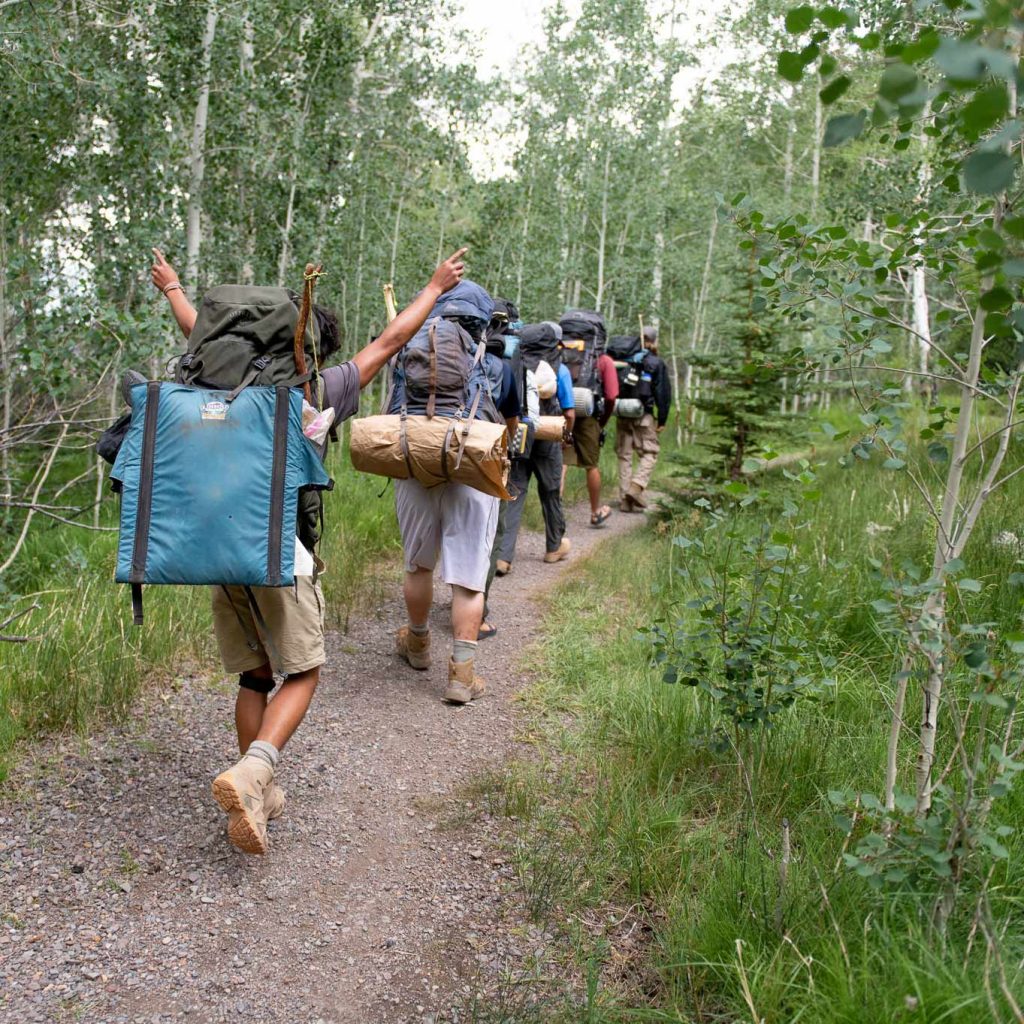
Legacy Outdoor Adventures utilizes adventure therapy and other experiential forms of therapy to help individuals develop self-confidence and acquire essential life skills. Spending time in nature improves mental health and provides clients with real-world situations where they can practice coping skills learned in therapy.
Clients with PTSD often experience significant improvements in mood and emotional regulation after participating in adventure therapy. According to the Department of Veterans Affairs (VA), “Outdoor therapy [. . .] is often used to treat PTSD, depression, anxiety, and other mental health issues.” In addition, “The physical exercise [. . .] helps to reduce stress levels, while providing a sense of accomplishment and relaxation.”
Clients with PTSD often experience significant improvements in mood and emotional regulation after participating in adventure therapy. According to the Department of Veterans Affairs (VA), “Outdoor therapy [. . .] is often used to treat PTSD, depression, anxiety, and other mental health issues.” In addition, “The physical exercise [. . .] helps to reduce stress levels, while providing a sense of accomplishment and relaxation.”
Supporting Co-Occurring Mental Health Conditions
Most people with PTSD have one or more co-occurring conditions. Some disorders commonly diagnosed alongside PTSD include:
- Borderline personality disorder (BPD)
- Bipolar disorder
- Substance use disorder
- Generalized anxiety disorder (GAD)
- Acute stress disorder (ASD)
- Major depressive disorder (MDD) or other mood disorders
- Obsessive-compulsive disorder (OCD)
- Dissociative identity disorder (DID)
Some people may also have physical conditions, including traumatic brain injury (TBI), impacting their ability to manage PTSD and other disorders. Legacy Outdoor Adventures addresses all active and underlying issues affecting mental health and ongoing sobriety.
Dual Diagnosis Treatment for Substance Use Disorders
Most people with multiple co-occurring conditions benefit from dual diagnosis treatment that uses prescription medications, therapeutic interventions, and peer support to reduce the risk of relapse. Personalized dual diagnosis treatment programs take into consideration all factors affecting a client’s sobriety, mental health, and potential rehab outcomes. Family therapy and support groups provide vital support and guidance for clients with dual diagnosis.


Evidence-Based Interventions for Complex Trauma and Mental Health Conditions
Complex PTSD (C-PTSD) requires evidence-based interventions and a whole-person approach to recovery. According to the World Journal of Psychiatry, “Complex PTSD is defined by symptom clusters mainly resembling an enhanced PTSD, with symptoms such as shame, feeling permanently damaged and ineffective, feelings of threat, social withdrawal, despair, hostility, somatization and a diversity from the previous personality.”
In addition, “It also regularly presents with serious disturbances in self-organization in the form of affective dysregulation, consciousness, self-perception with a negative self-concept and perception of the penetrator(s), often causing dysfunctional relations with others leading to interpersonal problems.”
Rehabilitation programs treat the symptoms and underlying causes of C-PTSD using evidence-based interventions and alternative holistic therapies.
In addition, “It also regularly presents with serious disturbances in self-organization in the form of affective dysregulation, consciousness, self-perception with a negative self-concept and perception of the penetrator(s), often causing dysfunctional relations with others leading to interpersonal problems.”
Rehabilitation programs treat the symptoms and underlying causes of C-PTSD using evidence-based interventions and alternative holistic therapies.
Why Choose Legacy Outdoor Adventures for PTSD Treatment
The experts at Legacy Outdoor Adventures have decades of combined experience treating PTSD, SUD, and other mental health issues. Families can trust that their loved one will get the help they need to recover and build a healthier, more fulfilling future.
Outcome-Informed Care With Weekly Progress Monitoring
The dedicated care team at Legacy Outdoor Adventures employs an outcome-informed approach and conducts weekly progress monitoring to ensure clients continue to make progress on their healing journey. The flexibility of tailored care plans allows clinicians to quickly adjust treatment as needed to accommodate any changes noticed during monitoring. Clients work closely with clinicians to create a comprehensive care plan that prepares them for a life of sobriety. Focusing on the desired outcome of lasting sobriety fosters hope and healing.

Licensed, Trauma-Informed Clinicians and Diverse Staff
The licensed staff at Legacy Outdoor Adventures have expertise in a wide range of treatment modalities. All clinicians have training for providing care to individuals with a history of trauma. Clients with PTSD benefit from participating in programs with trauma-informed care and personalized services.
Safe, Structured, and Supportive Environment
Legacy Outdoor Adventures offers people with PTSD and co-occurring conditions a safe environment where they can heal and grow. A supportive community and sense of belonging can help people open up about past trauma and find healthier ways to cope with daily stressors.
Many clients with PTSD respond better to secure environments with clear expectations and roles. The lack of confusion or uncertainty reduces stress and makes it easier for many people to focus their energy on developing healthy coping skills.
Many clients with PTSD respond better to secure environments with clear expectations and roles. The lack of confusion or uncertainty reduces stress and makes it easier for many people to focus their energy on developing healthy coping skills.

What We Treat at Our PTSD Treatment Center
Legacy Outdoor Adventures treats PTSD, SUD, and other mental health issues using adventure therapy, trauma-informed care, and an outcome-focused approach. The care team treats everyone with respect and dignity, providing the best treatments to meet each client’s needs and personal preferences. Therapeutic modalities address the symptoms, side effects, and underlying causes of PTSD or dual diagnosis.
Post-Traumatic Stress Disorder and Traumatic Memories
People with PTSD often struggle with intrusive thoughts and memories associated with their past traumas. Treatment programs provide coping skills for avoiding or managing triggers that may cause these unwanted responses.
Symptoms of PTSD, Including Flashbacks, Hyperarousal, and Intrusive Thoughts
Some of the primary symptoms of PTSD and C-PTSD include:
- Reliving trauma events through flashbacks or nightmares
- Avoiding trauma reminders
- Chronic physical symptoms, including headache, body aches, and stomach issues
- Dissociative events
- Anxiety and feelings of dread
- Difficulty regulating emotions
- Hypervigilance
- Increased startle response
- Sleep disturbances, including insomnia and oversleeping
- Mood swings
- Negative self-perception
- Intrusive and distressing thoughts
Everyone responds differently to trauma. Treatment programs address the symptoms, side effects, and underlying causes of PTSD to improve quality of life and overall wellness.
Co-Occurring Substance Use and Mental Health Conditions
People with co-occurring substance use and mental health disorders benefit from participating in professional rehabilitation programs that address all active conditions simultaneously. Clinicians use an integrative approach and trauma-informed care to help people heal from the effects of past trauma and chronic alcohol or drug abuse.
Trauma From Natural Disasters, First Responders, and Other Traumatic Events
First responders have a higher risk of being diagnosed with trauma-related mental health disorders, such as PTSD and C-PTSD. Witnessing or experiencing natural disasters, accidents, injuries, or other traumas can cause emotional distress and lead to unhealthy coping mechanisms. Legacy Outdoor Adventures understands the extreme pressure first responders face and offers comprehensive treatment programs to address their unique needs and circumstances.
Admissions and Insurance Information
The intake specialists at Legacy Outdoor Adventures can help families and potential clients determine whether their insurance partially or fully covers treatment programs. Programs also offer payment plans and other payment options. Everyone deserves access to quality, effective care for substance use and mental health disorders. Reach out to the admissions office today to learn more.
Post-traumatic stress disorder (PTSD) can impact many aspects of a person’s mental health. Legacy Outdoor Adventures treats PTSD and co-occurring SUD using evidence-based and alternative holistic therapies. To learn more about our programs and services, contact our office today by calling (866) 436-4458.
Frequently Asked Questions
Below are some of the most frequently asked questions about PTSD or dual diagnosis treatment.
Can family members be involved in PTSD treatment?
How long does residential treatment typically last?
How is medication management handled during treatment?
Can the program treat co-occurring substance use disorders?
What support is offered for relapse prevention and lasting recovery?
